Category 01 / 10 · HiPerformance Culture
Brain & Body
Underneath every performance claim sits biology: how you sleep, how your hormones run, how your cells make energy.
This pillar covers that machinery, from dopamine and deep sleep to red light therapy and mitochondrial health, including the supplements and protocols that attract more hype than data. Each topic is graded against the peer-reviewed evidence, so you can see what holds up.
FRONTISPIECE · 01 · DEEP DIVE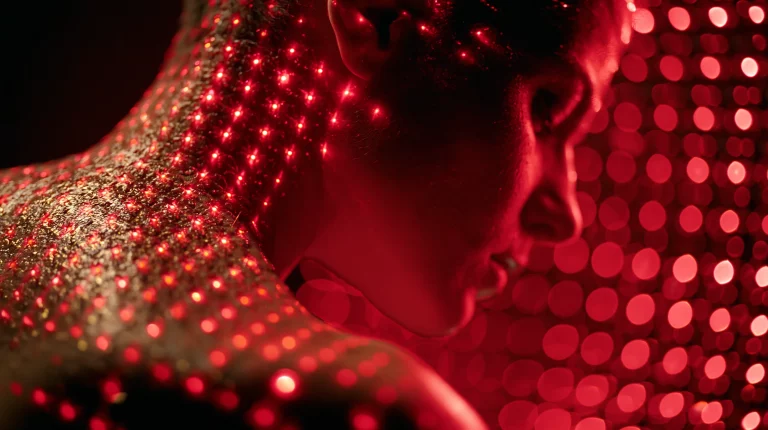 Red Light Therapy: What the Research Actually Shows About PhotobiomodulationRed light therapy decoded: 204 RCTs, 29 peer-reviewed sources, and the real science of photobiomodulation: mechanisms, evidence hierarchy, and dosing protocol.Read first →
Start with the Deep Dives ↓
Red Light Therapy: What the Research Actually Shows About PhotobiomodulationRed light therapy decoded: 204 RCTs, 29 peer-reviewed sources, and the real science of photobiomodulation: mechanisms, evidence hierarchy, and dosing protocol.Read first →
Start with the Deep Dives ↓
Start with a problem, not a format
Testosterone, cortisol, dopamine, and the hormone systems that govern drive, stress and recovery.
Deep Dive: Dopamine: The Neuroscience of Motivation, Reward & the Drive System →Or browse the whole Hormonal Optimization shelf →Red light therapy decoded: 204 RCTs, 29 peer-reviewed sources, and the real science of photobiomodulation: mechanisms, evidence hierarchy, and dosing protocol.
Deep Dive: Red Light Therapy: What the Research Actually Shows About Photobiomodulation →Or browse the whole Energy Systems & Mitochondria shelf →REM sleep drives memory consolidation, emotional regulation, and creative insight.
Deep Dive: REM Sleep: The Neuroscience of Dreaming, Memory Consolidation & Emotional Processing →Or browse the whole Sleep Optimization & Circadian Biology shelf →The neuroscience of omega-3 and DHA: how brain fats work, what 58 RCTs reveal about cognition, and why 76% of people fall short.
Deep Dive: Omega-3 & DHA: What the Neuroscience Actually Shows About Fat and Brain Function →Or browse the whole Cognitive Fuel & Nootropics shelf →What 34 peer-reviewed studies reveal about probiotics, the gut-brain axis, and depression.
Deep Dive: Probiotics and Mental Health: What the Gut-Brain Axis Science Actually Shows →Or browse the whole Vagus Nerve & Nervous System Regulation shelf →Quick starts
Real starts. No reading list required.The Best of Brain & Body
No. 01 · Runners-up and leaderboardsRed light therapy decoded: 204 RCTs, 29 peer-reviewed sources, and the real science of photobiomodulation: mechanisms, evidence hierarchy, and dosing protocol.
Also worth your time
- Chronotype Quiz: Is Your Schedule Working With or Against Your Body Clock?
- Vagus Nerve Exercises: The Science of Stress Resilience, HRV & Recovery
- Sleep Architecture & Recovery: The Complete Science-Based Optimisation Guide
- The Complete Bio-Performance Protocol: Optimising Your Biological Hardware
- How to Optimise Hormones Naturally: Testosterone, Cortisol & Growth Hormone
Core Concepts ranks by search popularity from Google search over the last 30 days. Trending ranks the biggest rise in search interest from Google between 2026-08-31 and 2026-09-03. New is ordered by publish date.
The Dispatch
Enjoyed the best of Brain & Body?
Get the next one when it is graded: what changed in the science, what we re-reviewed, and the one finding worth your attention. Kept private, no spam, ever. Unsubscribe in one click.
Long-form investigations
Deep Dives
Long-form investigations with full bibliographies, written to be read and cited.
Nootropics: What the Research Actually Shows About Cognitive Enhancement
~22 min readRed Light Therapy: What the Research Actually Shows About Photobiomodulation
~22 min read
Dopamine: The Neuroscience of Motivation, Reward & the Drive System
~22 min read
Testosterone: The Complete Science of the Body's Primary Performance Hormone
~22 min read
How Your Circadian Clock Actually Controls Your Brain: Not Just Your Sleep
~22 min read
Deep Sleep: The Science of Slow-Wave Sleep, Glymphatic Clearance & Recovery
~22 min read
REM Sleep: The Neuroscience of Dreaming, Memory Consolidation & Emotional Processing
~22 min read
Cold Plunge & Cold Water Therapy: The Evidence Behind the Ice Bath Obsession
~22 min read
Blood Sugar and Brain Fog: The Glycaemic Science of Mental Clarity
~22 min read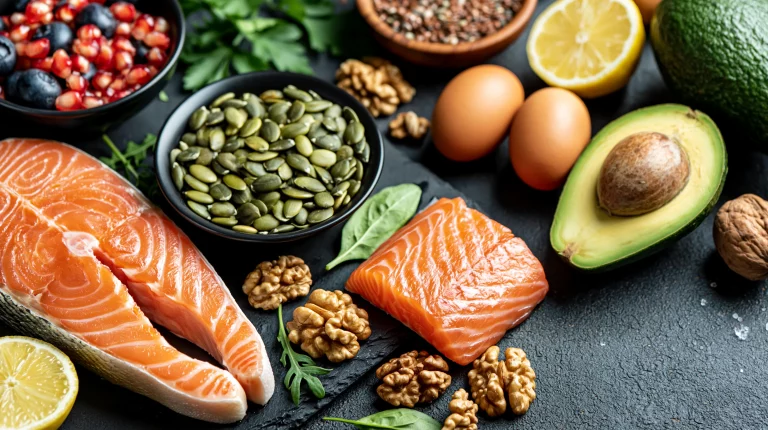
Omega-3 & DHA: What the Neuroscience Actually Shows About Fat and Brain Function
~22 min read
Autophagy & Fasting: The Cellular Recycling Mechanism Behind Metabolic Brain Benefits
~22 min read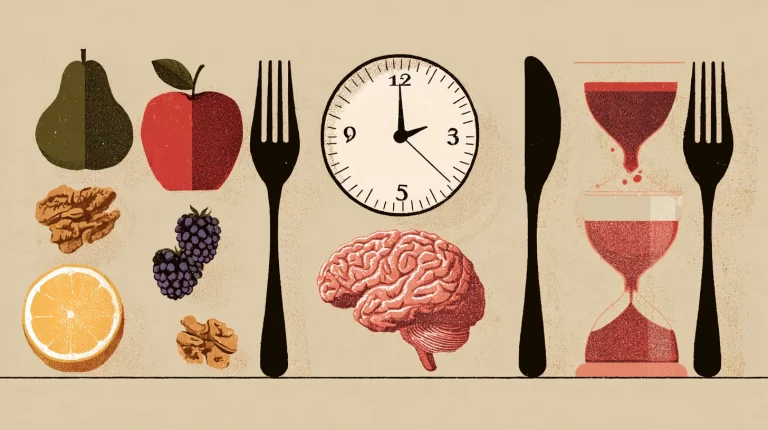
Intermittent Fasting and the Brain: Ketones BDNF and Cognitive Enhancement
~22 min read
Probiotics and Mental Health: What the Gut-Brain Axis Science Actually Shows
~22 min read
Metabolic Flexibility: The Neuroscience of Efficient Energy Switching
~22 min read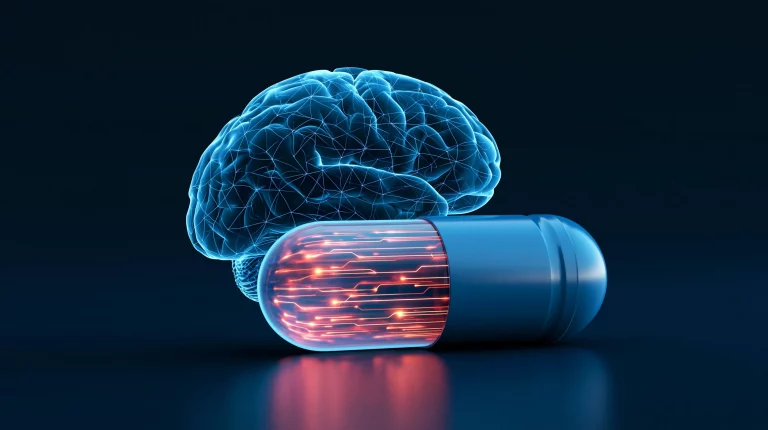
Creatine for Cognition: The Emerging Evidence for the Brain's Energy Buffer
~22 min read
Curcumin and Neuroinflammation: The Evidence Behind the Hype
~22 min read
The Gut-Brain Axis: How Your Microbiome Actually Controls Your Mood and Focus
~22 min read
Neuroinflammation: How Chronic Dietary Inflammation Degrades Cognitive Performance
~22 min read
Melatonin: What the Science Actually Shows About Sleep, Timing & Supplementation
~22 min read
Cortisol: The Complete Science of Your Body's Primary Stress Hormone
~22 min read
Latest Additions
2026-08-18 Brain & Body - latest
Chronotype Quiz: Is Your Schedule Working With or Against Your Body Clock?
A 20-scenario, literature-informed structured self-reflection about sleep timing, morning and evening functioning, schedule fit, and use of preferred work times, organised into five editorial groups. It cannot determine your chronotype or circadian phase.
Vagus Nerve Exercises: The Science of Stress Resilience, HRV & Recovery
Explains vagal tone as a trainable parameter, not a fixed trait, for people carrying chronic stress; slow breathing at resonance frequency has the strongest, most replicated evidence.
2026-07-24Sleep Architecture & Recovery: The Complete Science-Based Optimisation Guide
Explains why the sequence of sleep stages matters as much as hours slept; sleep restriction therapy produced the largest effect of any behavioural sleep trial tested, in a 642-person study.
2026-07-24The Complete Bio-Performance Protocol: Optimising Your Biological Hardware
Surveys the measurable systems, sleep architecture, BDNF, autonomic balance and cortisol, behind brain performance; fixing wake time before anything else is the recommended first step.
2026-07-24How to Optimise Hormones Naturally: Testosterone, Cortisol & Growth Hormone
Explains why hormone decline is environmental rather than an inevitable part of ageing; one week of five-hour sleep alone reduces testosterone by 10 to 15% in young healthy men.
2026-07-24Mitochondrial Health: The Science of Sustainable Energy & Peak Cognitive Output
Explains why sustainable energy is a cellular, mitochondrial problem rather than a productivity-hack problem; exercise raises mitochondrial content by 23 to 27% regardless of the type chosen.
2026-07-24Cognitive Fuel: The Evidence-Based Nutritional Framework for Brain Performance
Explains brain fog as a solvable biological problem, not just tiredness; losing 2% of body mass through dehydration already impairs attention, making a glass of water one of the cheapest fixes.
2026-07-24Vagal Tone Assessment: How Resilient Is Your Nervous System?
A 20-scenario, literature-informed structured self-reflection about the habits, practices, and stress-response patterns research literature associates with autonomic regulation, organised into five editorial groups. It cannot measure your heart rate variability or vagal tone.
2026-07-17
The newest additions to this pillar, dated as published.
What the evidence says
The findings, in one line each.
The load-bearing conclusions in Brain & Body, each one traceable to a fully sourced piece. Start here, then go as deep as you like. See how we grade the evidence →
Ashwagandha measurably lowers serum cortisol; whether that means you will feel less stressed is genuinely contested.
Read the breakdown →Zone 2's mechanism is real; its superiority over other intensities for the general public is unproven.
Read the breakdown →GH peptides shift body composition, not performance.
Read the breakdown →The premise holds; the tape doesn't.
Read the breakdown →Berberine genuinely lowers blood sugar, but it is not Ozempic and the weight loss is modest at best.
Read the breakdown →
Read
The long-form reads: the investigations above, plus goal-organised guides that walk you through.
Practical walkthroughs
Guides
Outcome-organised, do-this-next walkthroughs toward a specific goal. The chapter path is the map.
- Guide
Vagus Nerve Exercises: The Science of Stress Resilience, HRV & Recovery
- The Argument in Brief
- The Short Version
- The Vagus Nerve Framework: Anatomy, Theory, and Your Operational Metric
- Vagus Nerve Exercises: Evidence-Ranked Protocols for Daily Practice
- + 8 more chapters
- Guide
Sleep Architecture & Recovery: The Complete Science-Based Optimisation Guide
- The Argument in Brief
- The Short Version
- What Sleep Architecture Actually Is
- Protocols That Reshape Your Architecture
- + 8 more chapters
- Guide
The Complete Bio-Performance Protocol: Optimising Your Biological Hardware
- The Argument in Brief
- The Short Version
- The Five Pillars of Brain Performance
- Protocols and Daily Practice for Brain Performance
- + 8 more chapters
- Guide
How to Optimise Hormones Naturally: Testosterone, Cortisol & Growth Hormone
- The Argument in Brief
- The Short Version
- Your Hormonal Operating System
- Evidence-Ranked Interventions for Testosterone Optimization
- + 8 more chapters
- Guide
Mitochondrial Health: The Science of Sustainable Energy & Peak Cognitive Output
- The Argument in Brief
- The Short Version
- What Mitochondrial Health Actually Is
- How to Build Mitochondrial Health
- + 8 more chapters
- Guide
Cognitive Fuel: The Evidence-Based Nutritional Framework for Brain Performance
- The Argument in Brief
- The Short Version
- The Cognitive Fuel Framework
- Protocols for Each Pillar
- + 8 more chapters
Reference
Look it up fast: every concept defined and traced, and the whole topic compressed onto a card.
Defined terms
Lexicon
Every concept in the category, in plain language and traced to its source.
- AcetylcholineAcetylcholine is a neurotransmitter and neuromodulator operating throughout the central and peripheral nervous systems.

- AdenosineAdenosine is the brain's sleep-pressure molecule.

- Adrenaline (Epinephrine)Adrenaline is a catecholamine hormone and neurotransmitter secreted by the adrenal medulla in response to acute stress.

- AMPKAMPK (adenosine monophosphate-activated protein kinase) is a heterotrimeric enzyme that serves as the cell's primary energy sensor.
- ATPATP (adenosine triphosphate) is the primary energy currency of every living cell, a nucleotide built from adenine, ribose, and three phosphate groups.
- AutophagyAutophagy recycles damaged cellular components via lysosomes.

- BDNFBDNF (brain-derived neurotrophic factor) is a protein of the neurotrophin family produced primarily in the hippocampus, cortex, and basal forebrain.

- Blue LightBlue light is short-wavelength visible light occupying the 460-480 nanometre band of the electromagnetic spectrum.

- ChronotypeChronotype is an individual's intrinsic preference for the timing of sleep, activity, and peak cognitive performance, rooted in genetically driven variation in the endogenous circadian clock period.

- Circadian RhythmCircadian rhythm is the approximately 24-hour internal biological clock that coordinates physiology, behaviour, and metabolism across the day-night cycle.

- Cold ExposureCold exposure is the deliberate application of cold stimuli to the body, most commonly through cold-water immersion or cold showers at temperatures below 15 degrees Celsius.
- CortisolCortisol is the primary glucocorticoid hormone secreted by the adrenal cortex in response to activation of the hypothalamic-pituitary-adrenal axis.

- Deep Sleep (Slow-Wave Sleep)Deep sleep, also called slow-wave sleep (SWS) or NREM stage N3, is the deepest phase of non-rapid eye movement sleep, characterised by high-amplitude delta waves (0.5-2 Hz) occupying at least 20% of each EEG epoch.

- DHEADHEA (dehydroepiandrosterone) is the most abundant circulating steroid hormone in humans, produced primarily by the adrenal cortex.
- DopamineDopamine is a catecholamine neurotransmitter synthesised in midbrain structures, principally the ventral tegmental area and substantia nigra.

- EndorphinsEndorphins are endogenous opioid neuropeptides synthesised primarily in the pituitary gland and hypothalamus from the precursor protein POMC.

- GABAGABA (gamma-aminobutyric acid) is the brain's primary inhibitory neurotransmitter, synthesised from glutamate by the enzyme glutamate decarboxylase.

- GhrelinGhrelin is a 28-amino acid peptide hormone secreted mainly by the gastric fundus, uniquely requiring octanoylation at serine-3 to activate its receptor.

- GlucoseGlucose is the primary monosaccharide sugar and the brain's obligatory energy substrate, supplying approximately 20% of the body's total resting energy despite the brain comprising only 2% of body weight.

- GlutamateGlutamate is the principal excitatory neurotransmitter in the central nervous system, mediating the majority of fast synaptic signalling in the mammalian brain.

- Glycaemic IndexGlycaemic index (GI) is a numerical scale from 0 to 100 that ranks carbohydrate-containing foods by the speed and magnitude of their effect on blood glucose after consumption, relative to pure glucose.

- GlycogenGlycogen is the body's primary carbohydrate reserve, stored as densely branched chains of glucose units in the liver and skeletal muscle.

- Glymphatic SystemThe glymphatic system flushes amyloid beta and tau from the brain during sleep.

- Growth Hormone (HGH)Growth hormone (GH) is a 191-amino acid polypeptide secreted in pulsatile bursts by somatotroph cells of the anterior pituitary, predominantly during slow-wave sleep.

- Heart Rate Variability (HRV)HRV measures beat-to-beat fluctuations in heart rhythm, reflecting autonomic health, recovery status, and cardiovascular risk.
- HormesisHormesis is the biological phenomenon where low doses of a stressor trigger beneficial adaptation, explained by a biphasic dose-response curve.

- HPA AxisHPA axis is the body's primary neuroendocrine stress system, coordinating responses to perceived threat through a three-gland cascade.
- InflammationInflammation is the immune system's coordinated response to harmful stimuli such as pathogens, damaged cells, or irritants.

- InsulinInsulin is a peptide hormone secreted by pancreatic beta cells in response to rising blood glucose.

- Insulin ResistanceInsulin resistance is a metabolic state in which cells fail to respond normally to insulin, raising blood glucose, disease risk, and cognitive cost.

- Ketones (Beta-Hydroxybutyrate)Ketones are water-soluble molecules synthesised by the liver from fatty acids during fasting, carbohydrate restriction, or prolonged exercise.

- KetosisKetosis is a metabolic state in which the liver converts fatty acids into ketone bodies, primarily beta-hydroxybutyrate and acetoacetate, which circulate as alternative fuel for the brain and peripheral tissues.

- LeptinLeptin is an adipocyte-derived peptide hormone that signals energy reserves to the hypothalamus, suppressing appetite and increasing energy expenditure when fat stores are sufficient.

- LuxLux is the SI unit of illuminance, defined as one lumen per square metre of surface area.

- MelatoninMelatonin is the body's darkness signal, not a sedative.

- Metabolic FlexibilityMetabolic flexibility is the capacity to switch between fat and glucose as fuel.

- MitochondriaMitochondria are membrane-bound organelles found in nearly all eukaryotic cells that serve as the primary sites of ATP production through oxidative phosphorylation.
- mTORmTOR (mechanistic Target of Rapamycin) is a serine/threonine protein kinase that functions as the cell's central growth-and-recycling switch.

- NorepinephrineNorepinephrine is a catecholamine neurotransmitter and hormone synthesised primarily in the locus coeruleus, a compact brainstem nucleus that projects throughout the brain.

- OestrogenOestrogen is a family of steroid hormones governing reproduction, bone density, and cognition.

- Oxidative StressOxidative stress is an imbalance between the production of reactive oxygen species and a cell's antioxidant defences, resulting in molecular damage to lipids, proteins, and DNA.

- OxytocinOxytocin is a neuropeptide hormone synthesised in the hypothalamus and released from the posterior pituitary gland.

- Parasympathetic Nervous SystemParasympathetic nervous system is one of the two main divisions of the autonomic nervous system, operating in counterbalance to the sympathetic division.

- Pineal GlandPineal gland is a pea-sized endocrine structure embedded deep in the brain's epithalamus.
- Polyvagal TheoryPolyvagal Theory describes how the autonomic nervous system uses three hierarchical circuits to regulate social engagement, defence, and shutdown.
- ProgesteroneProgesterone is an endogenous steroid hormone produced primarily by the ovarian corpus luteum after ovulation, and by the placenta during pregnancy.

- Red Light TherapyRed light therapy (photobiomodulation) is the clinical application of red (630-670 nm) and near-infrared (810-850 nm) wavelengths to stimulate cellular energy production.

- REM SleepREM sleep is a cyclically recurring sleep stage characterised by rapid eye movements, near-complete skeletal muscle atonia, and brain electrical activity closely resembling wakefulness.

- SaunaSauna is a form of dry or steam heat therapy in which the body is exposed to temperatures of 70-100 degrees Celsius for sessions of 15-30 minutes.

- SerotoninSerotonin (5-hydroxytryptamine, 5-HT) is a monoamine neurotransmitter synthesised from the amino acid tryptophan.

- Sleep CyclesSleep cycles are recurring ultradian units of approximately 90 to 110 minutes comprising sequential NREM (N1, N2, and N3 slow-wave) and REM stages that repeat 4-6 times per night.
- Sleep DebtSleep debt is the cumulative shortfall between an individual's sleep requirement and the sleep actually obtained.
- Sleep Onset LatencySleep onset latency is the time from lights-out to falling asleep.

- Social Jet LagSocial jet lag is the chronic mismatch between the internal clock and work schedules.

- Sympathetic Nervous SystemSympathetic nervous system is the division of the autonomic nervous system responsible for mobilising the body under perceived threat or demand.

- TestosteroneTestosterone is the principal androgen produced primarily by the Leydig cells of the testes in males and, in smaller quantities, by the ovaries and adrenal cortex in females.

- Thyroid Hormones (T3, T4)Thyroid hormones, principally thyroxine (T4) and triiodothyronine (T3), are iodine-containing signalling molecules secreted by the thyroid gland under negative-feedback control of the hypothalamic-pituitary-thyroid axis.

- Vagal ToneVagal tone quantifies parasympathetic influence on the heart via HRV, predicting stress resilience, emotional regulation, and cardiovascular health.
- Vagus NerveVagus nerve is the tenth cranial nerve and the longest nerve in the human body, originating in the medulla oblongata and travelling through the neck, chest, and abdomen.
- VO2 MaxVO2 max is the maximum rate at which the body can consume oxygen during exhaustive exercise, expressed in millilitres per kilogram per minute.
Practice
Turn the evidence into something you can run, then see where you stand.
Run the science
Protocols
Step-by-step routines that turn the evidence into a practice you can run. The shape of each method is its blueprint.
- Protocol
90-Day Vagus Nerve Protocol: Build Unshakeable Stress Resilience
A 90-day programme in autonomic balance through breathing, movement, and social engagement
10-60 min/day · 90 days
FirstYour Autonomic Map
- Foundation
- Optimisation
- Mastery
- Protocol
90-Day Sleep Optimisation Protocol: Rebuild Your Recovery From the Ground Up
A 90-day prescriptive programme in sleep neuroscience
5-25 min/day · 90 days
FirstObserve Your Current Sleep Patterns
- Foundation
- Optimisation
- Mastery
- Protocol
90-Day Hormonal Optimisation Protocol: Naturally Optimise Testosterone & Cortisol
A 90-day programme for the lifestyle inputs to endocrine health
10-25 min/day · 90 days
FirstAnchor Your Wake Time
- Foundation
- Optimisation
- Mastery
- Protocol
90-Day Energy Systems Protocol: Rebuild Your Mitochondria for Sustained Output
A 90-day daily-energy habits programme built on movement, sleep, stress management, and meal rhythm
5-25 min/day · 90 days
FirstEstablish Your Wake Anchor
- Foundation
- Optimisation
- Mastery
- Protocol
90-Day Cognitive Fuel Protocol: Rewire Your Nutrition for Sustained Brain Performance
A 90-day eating-patterns programme informed by nutrition and cognition research
5-30 min/day · 90 days
FirstMap Your Eating Baseline
- Foundation
- Optimisation
- Mastery
Locate yourself
Assessments
Short self-reflection tools that place you on the evidence and personalise the path. Each one is an editorial instrument you operate, not a diagnosis.
- Self-reflection
Chronotype Quiz: Is Your Schedule Working With or Against Your Body Clock?
A 20-scenario, literature-informed structured self-reflection about sleep timing, morning and evening functioning, schedule fit, and use of preferred work times, organised into five editorial groups.
It cannot determine your chronotype or circadian phase.
Start the 20-question reflection → - Self-reflection
Vagal Tone Assessment: How Resilient Is Your Nervous System?
A 20-scenario, literature-informed structured self-reflection about the habits, practices, and stress-response patterns research literature associates with autonomic regulation, organised into five editorial groups.
It cannot measure your heart rate variability or vagal tone.
Start the 20-question reflection → - Self-reflection
Sleep Recovery Self-Reflection: What Do Your Answers Show?
A 20-scenario, literature-informed structured self-reflection about sleep onset, duration, continuity, timing, and daytime experience across five editorial groups.
Start the 20-question reflection → - Self-reflection
Hormonal Health Quiz: Which Hormones Are Limiting Your Performance?
A 20-scenario, literature-informed structured self-reflection about the sleep, activity, stress-recovery, nutrition, and timing habits that research literature associates with five hormonal systems, across five editorial groups.
Start the 20-question reflection → - Self-reflection
Fatigue & Energy Assessment: Find Your Metabolic Performance Leaks
A 20-scenario, literature-informed structured self-reflection about exercise habits, sleep recovery, stress load, daily movement, and meal timing across five editorial groups.
Start the 20-question reflection → - Self-reflection
Cognitive Fuel Assessment: What's Limiting Your Brain Performance?
A 20-scenario, literature-informed structured self-reflection about dietary quality, meal timing and glucose habits, hydration, micronutrient basics, and stimulant management across five editorial groups.
Start the 20-question reflection →
Verdicts
The folklore and the latest hype, run against the research and stamped.
Hype vs evidence
Trends
We weigh the claim against the science and stamp a verdict. The verdict is the headline. See our evidence method →
- Trend verdictJun 2026
Ashwagandha measurably lowers serum cortisol; whether that means you will feel less stressed is genuinely contested.
Does Ashwagandha Lower Cortisol? The Evidence Reviewed
5 sources scored - Trend verdictJun 2026
Blood Flow Restriction Training: Big Gains From Light Weights?
- Trend verdictJun 2026
Zone 2's mechanism is real; its superiority over other intensities for the general public is unproven.
Is training slow really the key to fitness and longevity?
6 sources scored - Trend verdictJun 2026
GH peptides shift body composition, not performance. BPC-157 has no human trial data. The cancer risk signal is real.
Peptide Therapy for Performance: Separating Signal from Hype
6 sources scored - Trend verdictJun 2026
The premise holds; the tape doesn't. Nasal breathing has strong support; mouth-taping does not.
Does Mouth-Taping Deepen Sleep? The Evidence Graded
5 sources scored - Trend verdictJun 2026
Berberine genuinely lowers blood sugar, but it is not Ozempic and the weight loss is modest at best.
Berberine: is nature's Ozempic really backed by science?
6 sources scored - Trend verdictJun 2026
Beetroot Juice for Endurance: Does Dietary Nitrate Actually Make You Faster?
- Trend verdictJun 2026
The circadian mechanism is solid; the popular 10-minute outdoor protocol has not been tested in an RCT.
Does morning sunlight reset your circadian clock?
6 sources scored - Trend verdictJun 2026
Creatine boosts brain phosphocreatine and improves memory in vegetarians; healthy omnivores gain little.
Creatine for the Brain: Does It Actually Sharpen Cognition?
5 sources scored - Trend verdictJun 2026
Plausible mechanism, thin human evidence, genuine serotonin toxicity risk for anyone on SSRIs.
Methylene Blue Benefits: The Evidence on Cognitive Performance Enhancement
5 sources scored - Trend verdictJun 2026
Caffeine for Performance: What the Evidence Actually Supports
- Trend verdictJun 2026
CGMs reveal real glucose patterns in healthy adults, but sensor accuracy is limited and clinical benefit is unproven.
CGM for Non-Diabetics: What Continuous Glucose Monitoring Actually Tells You
5 sources scored - Trend verdictJun 2026
Cuts soreness reliably; blunts muscle growth; cardiac risk is genuine.
Does an ice bath actually speed recovery?
6 sources scored
Keep exploring
The rest of the field.
Brain & Body is one of ten categories. Jump to a sibling, or browse a format across every topic.