Vagus Nerve n.
The polyvagal theory, which proposes a distinct social-engagement circuit via ventral vagal myelination, is influential but contested in comparative anatomy.
/ˈveɪ.ɡəs nɜːv/ · also known as cranial nerve X, CN X
The definition
Vagus Nerve is the tenth cranial nerve (CN X) and the longest nerve in the human body, originating in the medulla oblongata and running through the neck, chest, and abdomen. It carries bidirectional signals between the brain and the heart, lungs, and gut, governing parasympathetic tone, digestion, and the body's cholinergic anti-inflammatory reflex.
The mechanism
Unlike most nerves, the vagus nerve is predominantly a sensor. Approximately 80% of its fibres are afferent, carrying interoceptive signals from visceral organs to the brainstem nucleus tractus solitarii; only 20% are efferent motor fibres.3 The nerve functions less as a command line than as a surveillance channel, continuously reporting the interior state of the body. Two distinct nuclei in the medulla generate the motor output that does exist: the nucleus ambiguus, whose myelinated fibres innervate the heart and laryngopharynx and underlie social engagement behaviours; and the dorsal motor nucleus, which governs the gut and viscera via slower, unmyelinated fibres.2
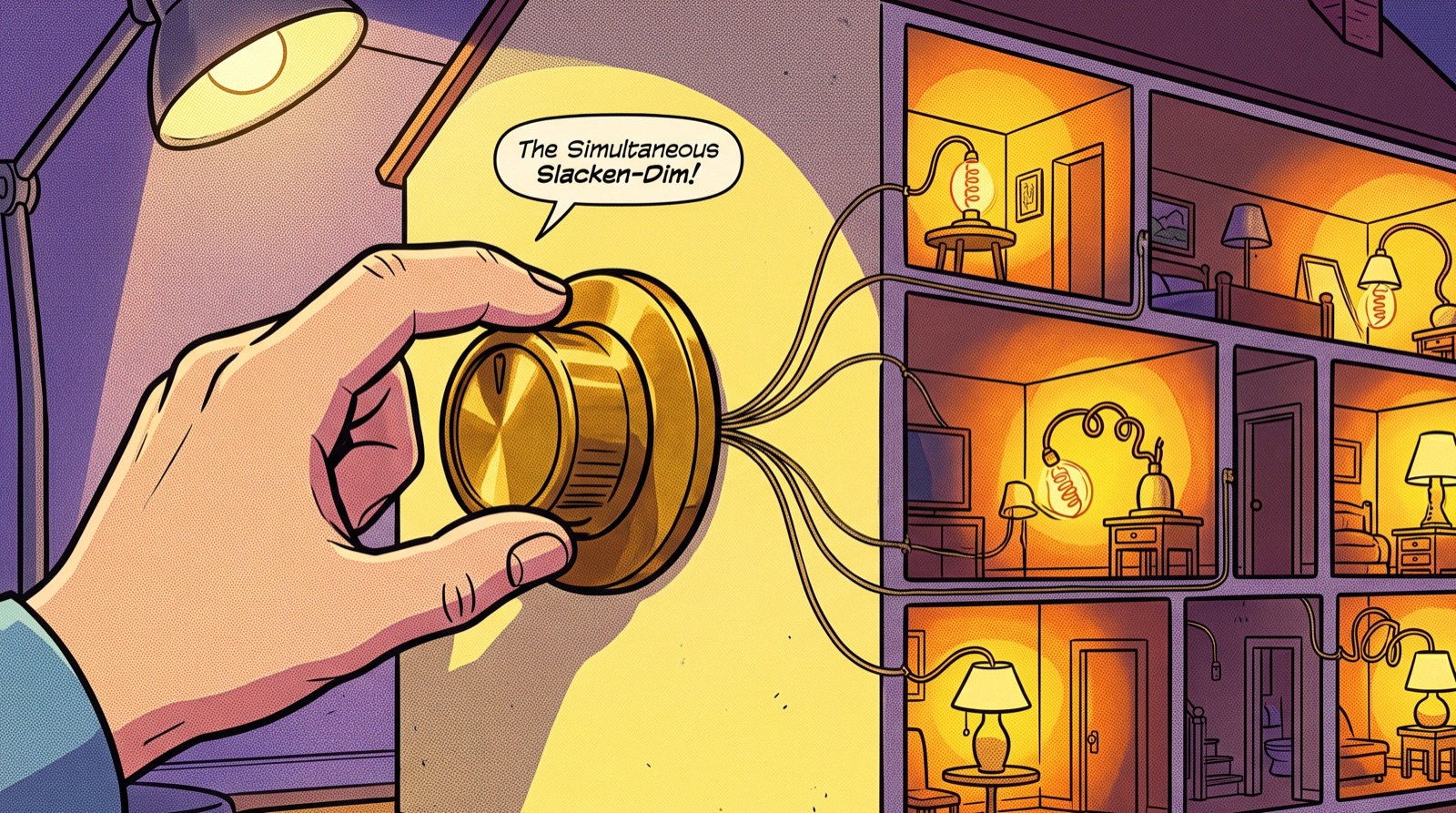
When vagal efferent fibres fire, they activate the cholinergic anti-inflammatory pathway. Acetylcholine released at nerve terminals binds to alpha-7 nicotinic receptors on macrophages in the spleen and peripheral organs, suppressing the release of pro-inflammatory cytokines including TNF-alpha, IL-1 beta, and IL-6.1 This reflex is now a primary target for bioelectronic medicine: implanted and transcutaneous vagus nerve stimulators can modulate systemic inflammation without the side-effect profile of pharmaceutical immunosuppression.
The vagus nerve also forms the structural backbone of the gut-brain axis. Afferent vagal fibres relay interoceptive signals from enteric neurons, gut microbiota-derived metabolites, and mucosal mechanoreceptors to the brainstem.3 Disruption of this pathway is implicated in depression, neurodegeneration, and inflammatory bowel disorders, which helps explain why conditions with no obvious neurological origin so often carry mood and cognitive components.
In practice
Vagal tone becomes measurable in anyone tracking heart rate variability to guide training load and recovery decisions.
Worked example
An athlete waking after a heavy training block sees a suppressed HRV reading. This reflects reduced parasympathetic tone as the nervous system remains in recovery mode. Rather than forcing a high-intensity session, the athlete opts for a low-intensity day. Twelve hours of recovery, including slow-paced breathing before sleep, raises vagal tone perceptibly by the following morning, and HRV rebounds toward baseline.
The vagus nerve is the physiological mechanism beneath this feedback loop, translating breathing pattern and rest quality into measurable cardiovascular state.
Why it matters
Vagal tone, indexed by heart rate variability, carries predictive weight beyond cardiovascular fitness. Low HRV is an independent predictor of adverse cardiovascular outcomes, all-cause mortality, anxiety, and impaired emotional regulation.4 Unlike many physiological metrics that reflect inherited capacity, vagal tone is responsive to training. Paced breathing at approximately six cycles per minute reliably increases HRV by engaging the baroreceptor reflex, offering a measurable, equipment-free method for improving vagal tone acutely.3 For anyone prioritising longevity or sustained cognitive output, monitoring and improving vagal tone represents a high-leverage, accessible objective.
On the clinical frontier, vagus nerve stimulation has become an approved therapy for drug-resistant epilepsy and treatment-resistant depression, with active trials spanning rheumatoid arthritis, Crohn's disease, post-stroke rehabilitation, and heart failure.4 Stimulated VNS reduces infarct size and ventricular arrhythmia incidence in myocardial ischaemia models. The unifying mechanism is the cholinergic anti-inflammatory pathway: a single nerve, through acetylcholine-mediated receptor binding, can modulate systemic inflammatory cascades across multiple organ systems simultaneously.
Questions of record
What does the vagus nerve do?
The vagus nerve regulates heart rate, breathing, and digestion through parasympathetic motor output, while relaying continuous interoceptive data from the viscera to the brainstem. It also governs the cholinergic anti-inflammatory reflex, suppressing cytokine release from macrophages. Approximately 80% of its fibres are sensory, making it primarily a reporting rather than commanding structure.
How do you stimulate the vagus nerve naturally?
Paced breathing at approximately six cycles per minute (resonance frequency breathing) reliably increases heart rate variability by engaging the baroreceptor reflex, requiring no equipment and producing measurable vagal tone improvements within a single session. Beyond breathing, both surgically implanted and transcutaneous vagus nerve stimulators can directly activate the nerve for clinical purposes.
What is vagal tone and how is it measured?
Vagal tone refers to the resting level of parasympathetic activity mediated by the vagus nerve. It is most commonly measured via heart rate variability (HRV), specifically the high-frequency component that reflects respiratory sinus arrhythmia. Higher resting HRV reliably indicates stronger vagal tone and better cardiovascular adaptability.
What is the vagus nerve's role in inflammation?
The vagus nerve governs the cholinergic anti-inflammatory pathway. When activated, efferent vagal fibres release acetylcholine, which binds to alpha-7 nicotinic receptors on macrophages in the spleen and peripheral organs, suppressing TNF-alpha, IL-1 beta, and IL-6. This circuit explains why vagus nerve stimulation is under investigation for autoimmune and inflammatory conditions.
Appears in
- Parasympathetic Nervous SystemGlossary
- Gut-Brain AxisGlossary