Supplements
Pills and powders make some of the loudest promises in performance, and some of the least examined.
This section catalogues the major candidates, from vitamin D, creatine and magnesium to adaptogens like rhodiola rosea and newer trends such as NMN. Every claim is graded against the published evidence before it earns a place here.
newest 19 Aug 2026
 Most read here · Glossary term
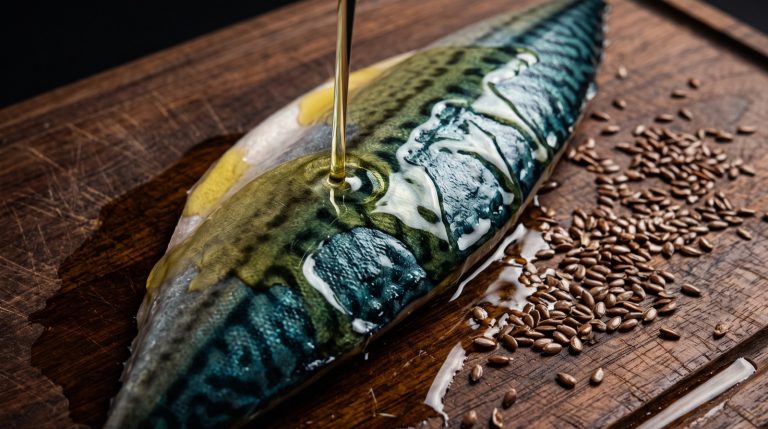
Omega-3 Fatty Acids: Definition, Functions, and the EPA vs DHA Distinction →
Most read here · Glossary term
Omega-3 Fatty Acids: Definition, Functions, and the EPA vs DHA Distinction →
Editor's Pick · Supplements
Supplementation Mastery: The Science of Performance-Enhancing Compounds
You take supplements.
Guide · 13 chapters · 99 min read · 19 Aug 2026

A route through this shelf
Reading order
Measure yourself
Supplement Habits Self-Reflection: How Do Your Choices Match the Evidence?Get a baseline before you change anything. 20 questions; scored on real dimensions.
Read the evidence
Supplementation Mastery: The Science of Performance-Enhancing CompoundsThe full argument, chapter by chapter.
Check the hype
Multivitamins and Memory: Do They Actually Improve Cognition?Daily multivitamins modestly improve memory in older adults; the same benefit is unproven in younger people.
The complete shelf, unpaginated
Holdings
Guides
Structured, chaptered field manuals.
Trend Breakdowns
Claims from the feed, checked against their sources. Multivitamins and Memory: Do They Actually Improve Cognition?Daily multivitamins modestly improve memory in older adults; the same benefit is unproven in younger people.6 sources scored · 2 Aug 2026
 NMN and NAD+ Supplements: Do They Actually Do Anything?NR and NMN reliably raise blood NAD+, but no human trial has shown a matching health benefit.6 sources scored · 2 Aug 2026
Glossary
Defined terms, each with its own entry.- AdaptogenAdaptogen labels herbs like ashwagandha as stress-resistant, but no regulator recognises it and the clinical evidence stays inconsistent.
- AshwagandhaAshwagandha is an adaptogenic root that lowers cortisol by modulating the HPA axis. Evidence-based definition covering mechanism, dosing, and safety data.
- CaffeineCaffeine blocks adenosine receptors to suppress fatigue signalling. Learn the mechanism, pharmacokinetics, effective dosing, and how tolerance develops.
- CreatineCreatine regenerates ATP via phosphocreatine, raises muscle stores ~20% with supplementation, and supports memory; benefits strongest in older adults.
- HomocysteineHomocysteine is the amino-acid marker that reveals whether B-vitamin supplementation will actually help cognitive and cardiovascular risk.
- L-TheanineL-Theanine is a tea-derived amino acid that raises alpha brain activity for calm focus without sedation. Mechanism, dosing, evidence reviewed.
- Lion's ManeLion's Mane (Hericium erinaceus) stimulates NGF synthesis via hericenones and erinacines. Definition, mechanism, dosage evidence, and side effects.
- MagnesiumMagnesium is a cofactor in 300+ enzymatic reactions, from ATP synthesis to muscle relaxation. Nearly half of adults fall short of the daily requirement.
- Omega-3 Fatty AcidsOmega-3 fatty acids: definition of ALA, EPA, and DHA, their anti-inflammatory and structural roles, best food sources, and cardiovascular evidence.
- PolyphenolsPolyphenols are plant compounds in berries, tea, and wholegrains linked to lower oxidative stress, better cognitive health, and a 7% lower mortality risk.
- Rhodiola RoseaRhodiola rosea is an adaptogenic herb whose compounds salidroside and rosavins blunt cortisol release and sustain cognitive performance under stress.
- Vitamin DVitamin D is a fat-soluble prohormone essential for calcium homeostasis, immune defence, and brain health. Deficiency affects ~1 billion people worldwide.
Search Console, latest pull
Most read on this shelf
- Omega-3 Fatty AcidsGlossary term
- PolyphenolsGlossary term
- L-TheanineGlossary term
- AdaptogenGlossary term
- CaffeineGlossary term