HPA Axis n.
The axis also regulates immune function, metabolic energy mobilisation, and circadian cortisol patterns, making it a central integrator of the body's adaptive stress response.
also known as hypothalamic-pituitary-adrenal axis, HPA
The definition
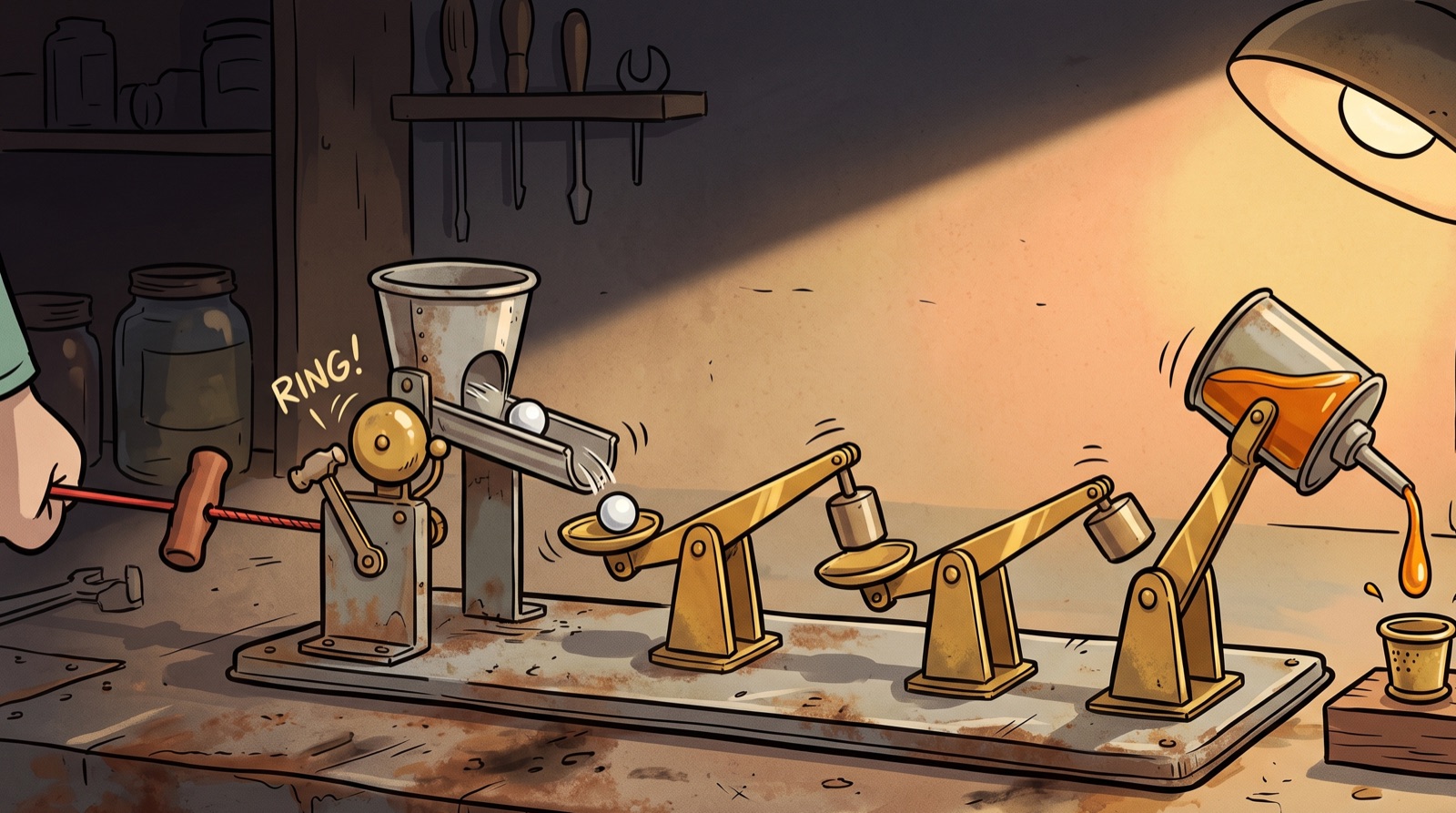
HPA Axis is the body's primary neuroendocrine stress system, comprising a three-gland cascade that links the hypothalamus, anterior pituitary, and adrenal cortex. Under perceived threat, the hypothalamus secretes corticotrophin-releasing hormone, which triggers adrenocorticotropic hormone release from the pituitary; that hormone in turn drives the adrenal cortex to produce cortisol. Negative feedback loops normally terminate the response once the stressor resolves.
The mechanism
Under perceived stress, paraventricular neurons in the hypothalamus secrete corticotrophin-releasing hormone (CRH), which travels via the portal circulation to the anterior pituitary, stimulating the release of adrenocorticotropic hormone (ACTH) within minutes2. ACTH then stimulates the adrenal cortex to synthesise and release cortisol, the primary glucocorticoid in humans, which mobilises glucose, suppresses non-essential immune functions, and modulates cardiovascular output to meet the demands of the perceived threat12.
Once the stressor subsides, glucocorticoid receptors in the hypothalamus and hippocampus detect rising cortisol concentrations and feed back to suppress further CRH and ACTH secretion, creating a self-limiting negative feedback loop2. Chronic or repeated stress, however, impairs glucocorticoid receptor sensitivity. The blunted feedback allows cortisol to remain persistently elevated, driving a pro-inflammatory shift that over time promotes autoimmune and metabolic dysfunction1.
A useful non-invasive window into individual HPA axis reactivity is the cortisol awakening response (CAR), a 50-160% surge in cortisol occurring within the first 30-45 minutes after waking4. The CAR reflects the anticipatory load the system expects to carry through the day; elevated or blunted responses carry implications for burnout risk and occupational performance. Behavioural interventions including regular aerobic exercise, adequate sleep, and mindfulness practice lower basal cortisol, restore the diurnal cortisol slope, and reduce allostatic load43.
In practice
The HPA axis governs how the body allocates resources under sustained challenge. The arc from acute benefit to chronic cost is visible in any high-pressure professional context.
Worked example
A professional managing two simultaneous high-stakes projects notices sharpened focus and faster recall during the first week of the crunch. Cortisol is briefly working as intended. By the third week, with sleep shortened and recovery absent, the same person misses details, struggles to prioritise, and begins experiencing recurring infections. The HPA axis, once an asset, is now a liability running without a shut-off.
Acute HPA activation is the system operating as designed; chronic activation without recovery inverts the advantage.
Why it matters
Cortisol's impact on the brain follows an inverted-U pattern: moderate, acute HPA axis activation sharpens alertness and consolidates memory, while chronic or extreme activation progressively impairs working memory, decision-making, and executive control4. The regions most vulnerable to sustained cortisol exposure are the hippocampus and prefrontal cortex; sustained elevation suppresses hippocampal neurogenesis and degrades dendritic branching in prefrontal circuits3. These changes accumulate over months to years of allostatic overload.
Chronic HPA activation is also timing-dependent: stress hormones encountered during prenatal development, childhood, adolescence, or ageing each affect distinct brain regions involved in memory and emotional regulation, generating different psychopathological risks3. For performance-oriented adults, the practical implication follows from the mechanism. The same system designed to mobilise resources under pressure will, without adequate recovery, erode the cognitive capacities that sustained high performance requires.
Questions of record
What does the HPA axis do?
The HPA axis coordinates the body's physiological response to perceived stress. When the brain registers a threat, a cascade of hormonal signals triggers cortisol release from the adrenal cortex. Cortisol then mobilises glucose, modulates immune activity, and adjusts cardiovascular function to match the demands of the situation.
What happens when the HPA axis is overactivated?
Chronic HPA axis overactivation blunts the glucocorticoid receptors responsible for switching off the stress response, leaving cortisol persistently elevated. Over months to years, this sustained exposure suppresses hippocampal neurogenesis, impairs prefrontal executive function, promotes systemic inflammation, and raises the risk of metabolic and autoimmune conditions.
How does the HPA axis affect the immune system?
Cortisol, the main output hormone of the HPA axis, acts as a broad immunosuppressant in the short term, helping limit excessive inflammation during acute stress. Chronic HPA overactivation reverses this benefit, producing a pro-inflammatory state that increases susceptibility to infection, autoimmune flares, and prolonged recovery times.
How can you regulate the HPA axis?
Regular aerobic exercise, consistent sleep, and mindfulness practice each reduce basal cortisol, restore the diurnal cortisol slope, and reduce allostatic load over time. These interventions work by improving glucocorticoid receptor sensitivity, which strengthens the negative feedback loop that terminates the stress response after a threat has passed.
Sources
Appears in
- Tend-and-BefriendGlossary
- AshwagandhaGlossary
- Rhodiola roseaGlossary
- Allostatic LoadGlossary