

The Dopamine Fasting Science: What Neuroscience Actually Says About Resetting Your Reward System.
The viral productivity hack gets the neuroscience wrong, but the behavioural practice it accidentally describes is backed by controlled human evidence that most critics have missed. Here is what the science actually says, and what to do with it.
01A Misnomer With Evidence
You Cannot Fast From a Neurotransmitter
The most interesting thing about dopamine fasting is that it works for reasons its advocates cannot explain. The term entered mainstream productivity culture around 2019, riding a wave of Silicon Valley self-optimisation that promised you could "reset" your brain's reward circuitry by abstaining from pleasurable activities (social media, junk food, streaming, even conversation).[1][2] The neuroscience community responded with justified scepticism: you cannot fast from an endogenous neurotransmitter any more than you can fast from serotonin or norepinephrine.[3] Dopamine is not a substance you consume. It is a signal your neurons manufacture. The name is, at best, a metaphor. At worst, it is misinformation.
The problem is that the debunking stopped too early. While neuroscientists were busy explaining why the label was wrong, a parallel body of evidence was accumulating that the underlying behavioural practice, structured abstinence from high-stimulation digital environments, produces measurable, replicable changes in cognition, mood, and reward sensitivity.[1] In 2025, a pre-registered randomised controlled trial of 467 adults found that simply blocking mobile internet for two weeks improved sustained attention by the equivalent of reversing ten years of age-related cognitive decline, with 91% of participants improving on at least one primary outcome.[1] The effect size for depressive symptom reduction (dz = 0.56) exceeded the meta-analytic effect reported for antidepressant medications, though this comparison requires caution, because the participants were healthy adults, not clinically depressed patients, and the within-subject dz metric is not directly comparable to between-group effect sizes from clinical antidepressant trials.[1]
The name is still wrong. But the practice is not.
To understand what structured digital abstinence actually does, you need to understand what dopamine actually is. It is not what most people think. The popular framing of dopamine as the "pleasure chemical" is perhaps the most consequential misunderstanding in popular neuroscience. Three decades of research, beginning with Wolfram Schultz's electrophysiology and refined through Kent Berridge's dissection of reward circuits, established that dopamine's primary function is not to produce pleasure.[5][6] It produces wanting, the motivational drive to pursue a stimulus, which is neurologically and pharmacologically dissociable from liking, the hedonic experience of enjoying it.[6][7]
This distinction is not academic. It is the entire reason compulsive digital behaviour feels the way it does: you keep scrolling not because each scroll delivers pleasure, but because the incentive salience system is firing, generating motivation to seek without generating satisfaction upon finding.[8][9] The reward system's three-stage addiction cycle (binge, withdrawal, preoccupation) maps onto the pattern heavy smartphone users describe: compulsive checking, irritability during separation, and anticipatory craving.[10]
02The Mechanism
The Prediction Machine That Dopamine Fasting Actually Resets
The story begins in a primate laboratory in the 1990s, where Wolfram Schultz recorded something that would reshape neuroscience. Individual dopamine neurons in the ventral tegmental area did not fire when a monkey received a reward.[5] They fired when a reward was better than expected. They fell silent when a reward matched expectation. And they dipped below baseline, a negative signal, when an expected reward was withheld.[5][13] This was not a pleasure response. It was a mathematical error signal: a precise computation of the difference between what was predicted and what was received. Schultz called it a reward prediction error.[5]
The discovery, now confirmed across rodents, primates, and humans via fMRI, is among the most replicated findings in neuroscience, with over 9,300 citations.[14] Most dopamine neurons encode this prediction error signal, and the coding scales nonlinearly with reward magnitude.[14] The practical implication is that dopamine does not track how good something is in absolute terms. It tracks how much better or worse something is than the brain anticipated.
That matters because it explains tolerance at a neuronal level. A stimulus that produces a large prediction error the first time (a novel social media notification, an unexpected like, a new video recommendation) produces progressively less dopamine as the brain's predictive model catches up. The signal is not "this is pleasurable." The signal is "this exceeded my model." Once the model adjusts, the same stimulus produces silence.[5][13]
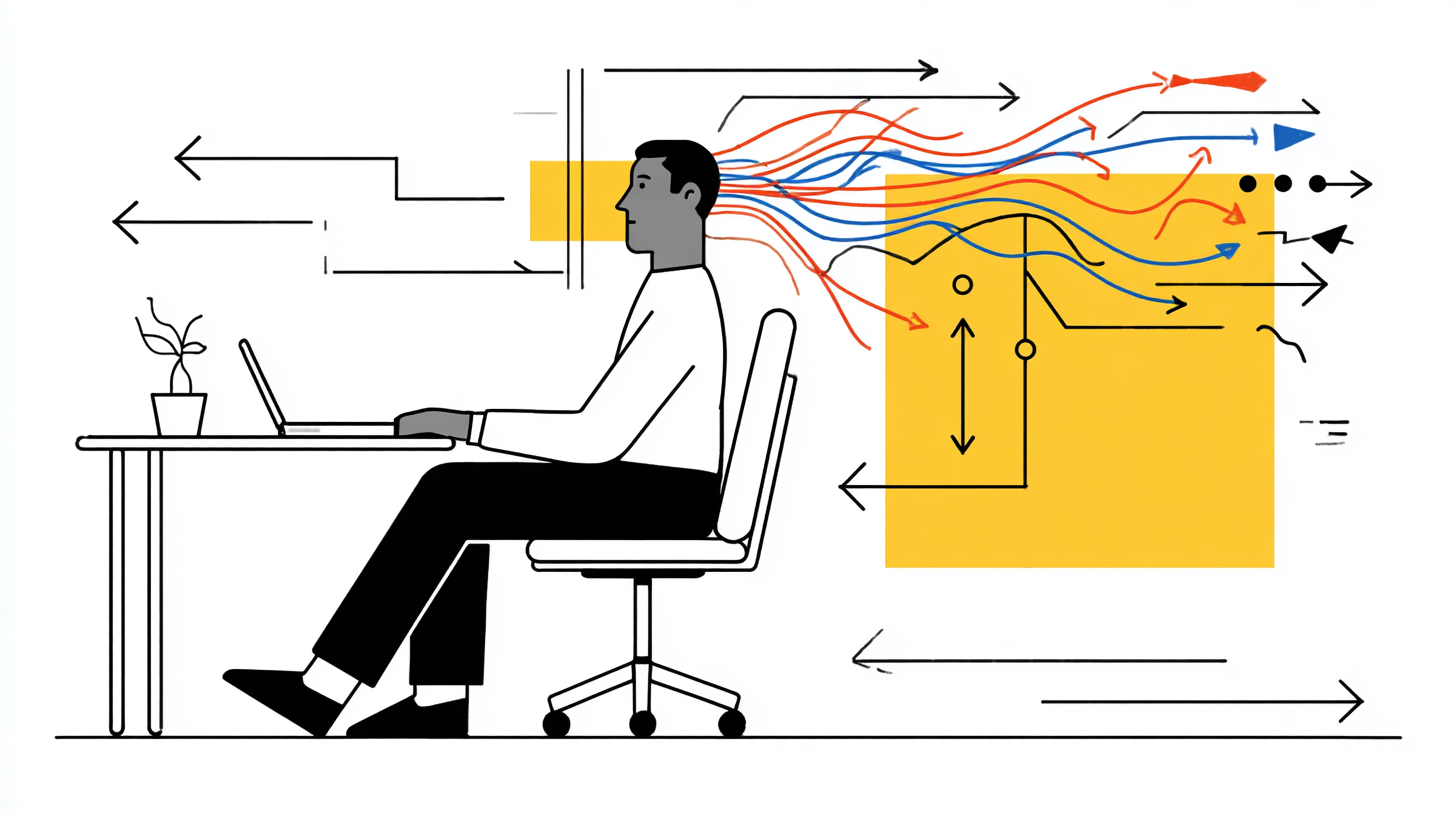
The real mechanism behind dopamine fasting: VTA neurons encode a prediction-error signal, not pleasure, and chronic overstimulation causes D2 receptor downregulation in the striatum, blunting reward sensitivity and widening the gap between wanting and liking until the signal resets.
Diagram · HPC
The distinction between wanting and liking, established by Berridge and Robinson's three decades of incentive salience research, provides the second critical piece.[6][7] Dopamine drives the motivational system: the urge to approach, seek, and consume. But the hedonic experience of enjoying a reward depends on a completely separate neurochemical system: opioid and endocannabinoid signalling within a tiny fraction of the nucleus accumbens called the hedonic hotspot.[7][15]
Berridge and Kringelbach's mapping revealed that this hotspot occupies roughly 10% of the nucleus accumbens volume, a cubic-centimetre patch of tissue in the rostrodorsal medial shell.[7][15] The remaining 90% generates wanting without generating liking.[7] Dopamine amplifies activity across the entire structure, which means it amplifies wanting far more than it amplifies pleasure. Animals with dopamine depletion still show normal hedonic "liking" reactions to sweet tastes; what disappears is the motivation to pursue them.[6]
Robinson and Berridge's comprehensive 2025 review in the Annual Review of Psychology confirms and extends this framework: chronic overstimulation sensitises the wanting system while leaving the liking system unchanged or degraded, a process called incentive sensitisation.[16] The result is the quintessential pattern of compulsive digital behaviour: increasing drive to check, scroll, and seek, with decreasing satisfaction upon doing so.
03Evidence
The Five Strongest Studies on Dopamine Fasting and Reward System Recovery
01The claim
The single load-bearing finding
The hero study finds 91 %.
Pooled estimate
91%
02How we measured
Ranking the reward evidence
Studies scored on design, sample, rigour, causality, replication, citations.
For reward system research, connecting receptor depletion to cognitive decline requires both controlled human RCTs and molecular neuroimaging, since correlational studies of digital behavior cannot establish causal direction.
Rubric weights
03The spread
Heterogeneity across 5 studies
Methodological quality across the ranked studies.
Rubric spread
83
→ 59 /100
Highest to lowest rubric score across the ranked studies.
04What does not hold
Negative knowledge
What the evidence base does not support.
What makes this evidence base unusual is that it was assembled backwards. The foundational theory (Schultz, 1997) and the receptor evidence (Wang, 2001) preceded any serious investigation of digital behaviour by decades. The controlled intervention studies arrived only in 2025. The Radtke systematic review of 21 studies and 3,625 participants found mixed results precisely because earlier studies used inconsistent interventions: some demanded total abstinence, others merely reduced screen time, and durations ranged from 24 hours to three weeks.[11]
5 trials. One pooled answer.
Below: the anchor study in full; then the forest plot at scale; then the supporting trials in ranked order.
01Anchor
Blocking mobile internet on smartphones improves sustained attention, mental health, and subjective well-being
Structured digital abstinence produces statistically significant, clinically meaningful improvements in attention, mood, and well-being within two weeks, in a sample large enough to be confident the effect is real.
Pre-registered RCT design with the largest sample size in the field, objective attention measures, and experience-sampling data showing progressive benefit accumulation.
Rubric breakdown
The strongest studies, ranked by methodological weight.
Each scored 0–100 against a six-criterion rubric, tagged by design and year; the anchor leads. No study in this set reaches the rubric-90 tier.
02
Striatal dopamine D2/D3 receptor regulation of human reward processing and behaviour
Seven days of sustained D2/D3 antagonism in healthy adults produced blunted striatal reward responses, impaired motivated behaviour, and reduced hedonic experience. This directly demonstrates that D2/D3 receptor suppression causes the reward deficits observed in overconsumption populations.
74/100
03
A neural substrate of prediction and reward
Dopamine neurons encode reward prediction error: firing positively for unexpected reward, falling silent for predicted reward, and dipping below baseline for omitted reward. The RPE signal migrates from reward delivery to the earliest predictive cue as conditioning proceeds.
72/100
04
Smartphone screen time reduction improves mental health: a randomized controlled trial
Three weeks of smartphone screen time reduction to ≤2 hours per day produced significant improvements in depressive symptoms, sleep quality, well-being, and perceived stress in healthy university students.
65/100
05
Brain dopamine and obesity
Severely obese individuals (mean BMI ~51 kg/m²) showed striatal D2 binding of 2.47 vs. 2.99 in lean controls, with an inverse correlation of r = −0.84. The D2 deficit pattern replicated across cocaine, alcohol, and methamphetamine addiction studies.
59/100
04Stakes
The Four Systems That Degrade When D2 Receptors Stay Low
Chronic reward system depletion does not produce a single symptom. It produces a cascade, from motivational collapse through executive dysfunction to mood destabilisation, that most people attribute to character rather than neurochemistry.
Reward Deficit and Anhedonia
Chronic D2 depletion creates what Koob and Volkow describe as a reward deficit state: the hedonic set point shifts downward through allostatic adaptation, and natural rewards fail to generate sufficient dopaminergic signal to feel worthwhile.[18][10] The result is not sadness. It is flatness, an inability to feel that anything analogue is worth doing. This state has been specifically characterised as digital anhedonia: selective blunting of reward responses to non-digital stimuli after chronic digital overexposure.[22]
Nothing sounds fun · You pick up your phone without deciding to · Activities you used to enjoy feel effortful
Prefrontal Dysfunction
Low striatal D2 correlates directly with reduced activity in the orbitofrontal cortex and anterior cingulate (the circuits responsible for inhibitory control, future planning, and value-based decision-making).[20][21] Goldstein and Volkow documented this across multiple addiction phenotypes: low D2 → reduced prefrontal activity → impaired self-regulation. The system that should be restraining compulsive behaviour is itself degraded by the neurochemistry that compulsive behaviour produces.[20]
Can't stick with hard tasks · Decision fatigue by noon · Impulse purchases and doom scrolling
Attention and Working Memory
Arnsten's inverted-U model demonstrates that both dopamine excess and dopamine deficit impair prefrontal working memory, and chronic overstimulation can produce both sequentially: acute excess during stimulation followed by below-baseline deficit during withdrawal.[19] Internet gaming disorder produces reduced frontostriatal connectivity, directly impairing sustained attention and cognitive flexibility.[23]
Can't read for more than a few minutes · Constant task-switching · Brain fog without clear cause
Mood Destabilisation
Dopamine system dysregulation produces two distinct forms of anhedonia: anticipatory (reduced wanting) and consummatory (reduced liking), each driven by different aspects of dopaminergic disruption.[24] Chronic disruption of the reward-effort calculation makes effortful goals feel disproportionately costly, contributing to the motivational profile of depression that is often resistant to serotonergic medication precisely because the deficit is dopaminergic.[24]
Low mood without clear trigger · Goals feel abstract · Effortful activities feel punishing
05Protocol
A 3-Week Reward System Recalibration Protocol
Four evidence-informed steps, not a productivity hack, but a signal-engineering strategy designed to allow D2 receptor recovery, recalibrate prediction error baselines, and restore prefrontal executive function.
The protocol, as a sequence.
Weeks 1–3 → Daily → Daily → Post-protocol
Structured Digital Reduction
Block mobile internet or reduce screen time to ≤2 hours per day for a minimum of 2–3 weeks. Not app deletion, not willpower-based restriction, but structural removal of the highest-stimulation digital inputs.[1][12]
The Castelo RCT (N = 467) and Pieh RCT (N = 111) both demonstrated measurable cognitive and affective improvement within this timeframe.[1][12] Benefits accumulate progressively: each day of reduced exposure compounds the signal recalibration. Set active replacement behaviours: nature exposure, exercise, in-person interaction. Expect discomfort in days 1–5; this is the adaptation period, not a sign of failure.
Total abstinence from all digital technology. The Radtke systematic review found that partial, structured reduction consistently outperforms complete detox for sustained well-being.[11] The intervention is dose reduction, not elimination.
Aerobic Exercise
30+ minutes of aerobic exercise or HIIT daily during the reduction period. This is a receptor restoration mechanism, not a wellness suggestion.[25][26]
Tyler et al. demonstrated a 16% increase in D2 receptor binding in the nucleus accumbens shell after six weeks of HIIT in an animal model.[25] An animal study found that exercise-induced dopamine release in the striatum is BDNF-dependent.[26]
Treating exercise as hedonic substitution. Frame it as receptor pharmacology: you are supplying the BDNF signal that drives D2 upregulation.
Boredom Tolerance Training
The reward prediction error signal requires contrast. If the baseline is constant stimulation, even moderate stimulation exceeds prediction and generates dopamine. The discomfort of boredom is the mechanism: the prediction error system recalibrating downward.
Filling the boredom gap with "analogue" high-stimulation activities (junk food, television). The receptor dynamics are agnostic to the modality. Dopamine does not distinguish between a digital and an analogue prediction error.
Controlled Reintroduction
After 2–3 weeks, reintroduce digital stimuli with pre-set usage boundaries. The protocol becomes the new baseline, not a temporary detox.[11]
Radtke's systematic review confirmed that participants who maintained reduced usage after the intervention preserved their gains; full return to previous habits collapsed them.[11] The goal is a permanently lower stimulation baseline from which natural rewards can once again exceed prediction.
Treating the abstinence period as a "reset" after which previous habits are safe. The D2 receptor environment adapts in both directions: chronic re-exposure reproduces the original depletion pattern.
06Verdict
The verdict.
Bottom line
You are not fasting from dopamine. You are recalibrating the prediction machine. Two weeks is enough for the evidence to show it working.
The argument
Dopamine fasting, as a neuroscientific claim, is incoherent: you cannot reduce production of an endogenous neurotransmitter by avoiding your phone. But the behavioural intervention it inadvertently describes, structured time-limited reduction of high-stimulation digital input, is supported by converging evidence from two independent RCTs, PET neuroimaging studies, and three decades of reward prediction error research. The mechanism is not "fasting from dopamine." The mechanism is allowing D2 receptors to recover, reward prediction signals to recalibrate, and natural stimuli to once again produce meaningful contrast against a lowered baseline. That is a specific, testable, evidence-supported claim, and it changes how you should think about your relationship with your phone.[27]
The trajectory of this science runs against the trajectory of the culture. The evidence for structured digital reduction has gotten stronger every year since 2020, while daily screen time has continued to rise.[1][12][28] The reward system is not designed for seven hours of algorithmic prediction error per day. The prefrontal cortex is not designed to serve as a continuous override against engineered variable-ratio reinforcement schedules. The fact that withdrawal from digital overstimulation feels uncomfortable is not a bug in the protocol. It is the prediction error system doing exactly what the evidence says it should do when you remove a chronic stimulus.
The deeper reframe is about what dopamine is for. It is not the "feel-good chemical": that description belongs to opioids and endocannabinoids, operating in a hotspot that occupies one-tenth of the accumbens.[7][15] Dopamine is the prediction signal, the wanting signal, the signal that says that exceeded my model.[5] When you understand dopamine as a prediction machine rather than a pleasure dispenser, the entire logic of "dopamine fasting" inverts: you are not depriving yourself of pleasure. You are resetting the prediction baseline so that ordinary experience can once again register as meaningful.
Csikszentmihalyi's concept of flow, deep intrinsically motivated engagement where the challenge-skill balance produces absorption rather than craving, is the opposite of compulsive digital consumption.[29] Flow does not deplete D2 receptors. It does not generate tolerance. It does not leave you reaching for your phone. It is what the reward system does when the prediction error machinery is calibrated correctly, and structured digital reduction is the closest thing the evidence offers to a calibration tool.
The Wanting Machine vs the Pleasure System
Prediction, not pleasure
Dopamine encodes reward prediction error (the difference between expected and received outcomes), not hedonic enjoyment. Chronic digital stimulation degrades this signal by depleting D2 receptors and raising the prediction baseline, producing compulsive seeking without corresponding satisfaction.[5][17]
Cascading dysfunction
D2 depletion does not stay in the reward circuit. It cascades into prefrontal executive dysfunction, attentional impairment, and affective flattening: a multi-system degradation that most people misattribute to burnout, laziness, or ageing.[20][19]
Structured reduction
Two to three weeks of structured digital reduction, combined with aerobic exercise and boredom tolerance training, produces measurable improvements in attention, mood, and reward sensitivity. The evidence supports environmental engineering, not willpower, not total abstinence, and not a periodic "detox."[1][12][11]
Put it to work
Where this science goes next on HPC
07Bibliography
The bibliography.
-
01
Journal
doi: 10.1093/pnasnexus/pgaf017
Rubric 83/100
Blocking mobile internet on smartphones improves sustained attention, mental health, and subjective well-being
-
02
Journal
doi: 10.1002/lim2.54
Maladaptive or misunderstood? Dopamine fasting as a potential intervention for behavioral addiction
-
03
Review
doi: 10.7759/cureus.61643
A literature review on holistic well-being and dopamine fasting: An integrated approach
-
04
Journal
no doi
Dopamine Nation: Finding Balance in the Age of Indulgence
-
05
Journal
doi: 10.1126/science.275.5306.1593
A neural substrate of prediction and reward
-
06
Review
doi: 10.1016/S0165-0173(98)00019-8
What is the role of dopamine in reward: hedonic impact, reward learning, or incentive salience? Brain Research Reviews, 28(3), 309–369
-
07
Journal
doi: 10.1016/j.neuron.2015.02.018
Pleasure systems in the brain
-
08
Journal
doi: 10.1177/1073858406293154
Hedonic hot spots in the brain
-
09
Journal
doi: 10.1037/amp0000059
Liking, wanting, and the incentive-sensitization theory of addiction
-
10
Journal
doi: 10.1016/S2215-0366(16)00104-8
Neurobiology of addiction: A neurocircuitry analysis
-
11
Review
doi: 10.1177/20501579211028647
Digital detox: An effective solution in the smartphone era? A systematic literature review
-
12
RCT
doi: 10.1186/s12916-025-03944-z
Smartphone screen time reduction improves mental health: A randomized controlled trial
-
13
Journal
doi: 10.1152/jn.1998.80.1.1
Predictive reward signal of dopamine neurons
-
14
Journal
doi: 10.31887/DCNS.2016.18.1/wschultz
Dopamine reward prediction error coding
-
15
Journal
doi: 10.1016/j.physbeh.2009.02.044
Liking and wanting food rewards: Brain substrates and roles in eating disorders
-
16
Review
doi: 10.1146/annurev-psych-011624-024031
The incentive sensitization theory of addiction: 30 years on
-
17
Journal
doi: 10.1016/S0140-6736(00)03643-6
Brain dopamine and obesity
-
18
Journal
doi: 10.1038/npp.2009.110
Neurocircuitry of addiction
-
19
Journal
doi: 10.1038/nn.4087
Stress weakens prefrontal networks: Molecular insults to higher cognition
-
20
Review
doi: 10.1038/nrn3119
Dysfunction of the prefrontal cortex in addiction: Neuroimaging findings and clinical implications
-
21
Journal
doi: 10.1073/pnas.1010654108
Addiction: Beyond dopamine reward circuitry
-
22
Journal
no doi
Hijacked by the Feed: Social media neuroengineering-induced digital anhedonia
-
23
Journal
doi: 10.31887/DCNS.2020.22.2/aweinstein
Neurobiological mechanisms underlying internet gaming disorder
-
24
Journal
no doi
Dopamine system dysregulation in major depressive disorders
-
25
Journal
doi: 10.3389/fpubh.2023.1257629
High intensity interval training exercise increases dopamine D2 levels and modulates brain dopamine signaling
-
26
Journal
doi: 10.1523/JNEUROSCI.2273-21.2022
Voluntary exercise boosts striatal dopamine release: Evidence for the necessary and sufficient role of BDNF
-
27
Review
doi: 10.1152/physrev.00014.2018
The neuroscience of drug reward and addiction
-
28
Journal
no doi
Average screen time statistics. Multiple sources including Comparitech, DemandSage
-
29
Journal
no doi
Flow: The Psychology of Optimal Experience
No entries match the current filter and search.
The protocol card
The Dopamine Fasting Science: What Neuroscience Actually Says About Resetting Your Reward System
One sheet. The four moves, in the order the day runs them.
-
01
Weeks 1–3
Structured Digital Reduction
Block mobile internet or reduce screen time to ≤2 hours per day for a minimum of 2–3 weeks. Not app deletion, not willpower-based restriction, but structural removal of the highest-stimulation digital inputs.
AvoidTotal abstinence from all digital technology. The Radtke systematic review found that partial, structured reduction consistently outperforms complete detox for sustained well-being. The intervention is dose reduction, not elimination.
-
02
Daily
Aerobic Exercise
30+ minutes of aerobic exercise or HIIT daily during the reduction period. This is a receptor restoration mechanism, not a wellness suggestion.
AvoidTreating exercise as hedonic substitution. Frame it as receptor pharmacology: you are supplying the BDNF signal that drives D2 upregulation.
-
04
Post-protocol
Controlled Reintroduction
After 2–3 weeks, reintroduce digital stimuli with pre-set usage boundaries. The protocol becomes the new baseline, not a temporary detox.
AvoidTreating the abstinence period as a "reset" after which previous habits are safe. The D2 receptor environment adapts in both directions: chronic re-exposure reproduces the original depletion pattern.
hiperformanceculture.com · 29 sources · 4 April 2026


How this was made
The desk, the instrument, and when this page is next examined.
- Desk
- HPC Editorial
- Instrument
- 6 weighted criteria, 100 points see every score
- Register
- 29 sources, 24 with a resolving DOI read them
- Reading time
- 22 min read
Revision log
- First published.
- Last revised. Sources re-checked against the register above.
- Next review Due by , or earlier if a new controlled trial or systematic review lands.
THE HAND-OFF. Performance Scan: find your limiting factor. Three minutes, 24 questions, six systems. Your answers never leave your device.