Conflict Resolution n.
Conflict is further subdivided into task conflict (substantive disagreements about work content) and relationship conflict (interpersonal tension); the two types differ in their consequences for team performance.
The definition
Conflict resolution is the process by which opposing parties reach a mutually acceptable settlement through negotiation, mediation, or deliberate behavioural strategy selection. The Thomas-Kilmann model organises conflict-handling approaches along two orthogonal dimensions, assertiveness and cooperativeness, yielding five modes: competing, collaborating, compromising, avoiding, and accommodating, each calibrated to specific situational demands and relationship priorities.
10%
of leadership effectiveness variance explained by conscientiousness via conflict style
PENNINGTON · 20244
The mechanism
The Thomas-Kilmann Instrument maps conflict-handling modes on two orthogonal axes: assertiveness (the degree to which one pursues one's own concerns) and cooperativeness (the degree to which one attends to the other party's concerns)1. The resulting matrix produces five modes. Competing sits at high assertiveness and low cooperativeness; collaborating sits high on both. Compromising occupies the midpoint; avoiding is low on both; accommodating is low assertiveness with high cooperativeness. No mode is universally optimal. Each is appropriate under specific conditions: competing suits emergencies requiring swift unilateral decisions, while accommodating suits situations where preserving the relationship outweighs winning the immediate issue.
Conflict is further classified by its source. Task conflict involves substantive disagreements about work content and goals; relationship conflict involves interpersonal incompatibility and tension. A meta-analysis of 30 independent studies found both types carry strong negative correlations with team performance and member satisfaction, with relationship conflict producing the more damaging effects2. The finding largely resolved earlier debates about whether moderate task conflict might be beneficial: under most real-world team conditions, the adverse consequences predominate for both types.
Individual personality traits systematically shape which mode a person defaults to. Agreeableness and conscientiousness predict collaborative and compromising approaches, while neuroticism is the strongest predictor of avoidance3. A collaborative approach, high on both assertiveness and cooperativeness, resolves the underlying interests of both parties rather than trading positional concessions, and is associated with superior leadership effectiveness4. The practical implication is that style flexibility across all five modes, rather than optimising a single preferred approach, is the applied goal.
Five Conflict Styles — Conflict styles by assertiveness and cooperativeness (compromise sits in the middle).
In practice
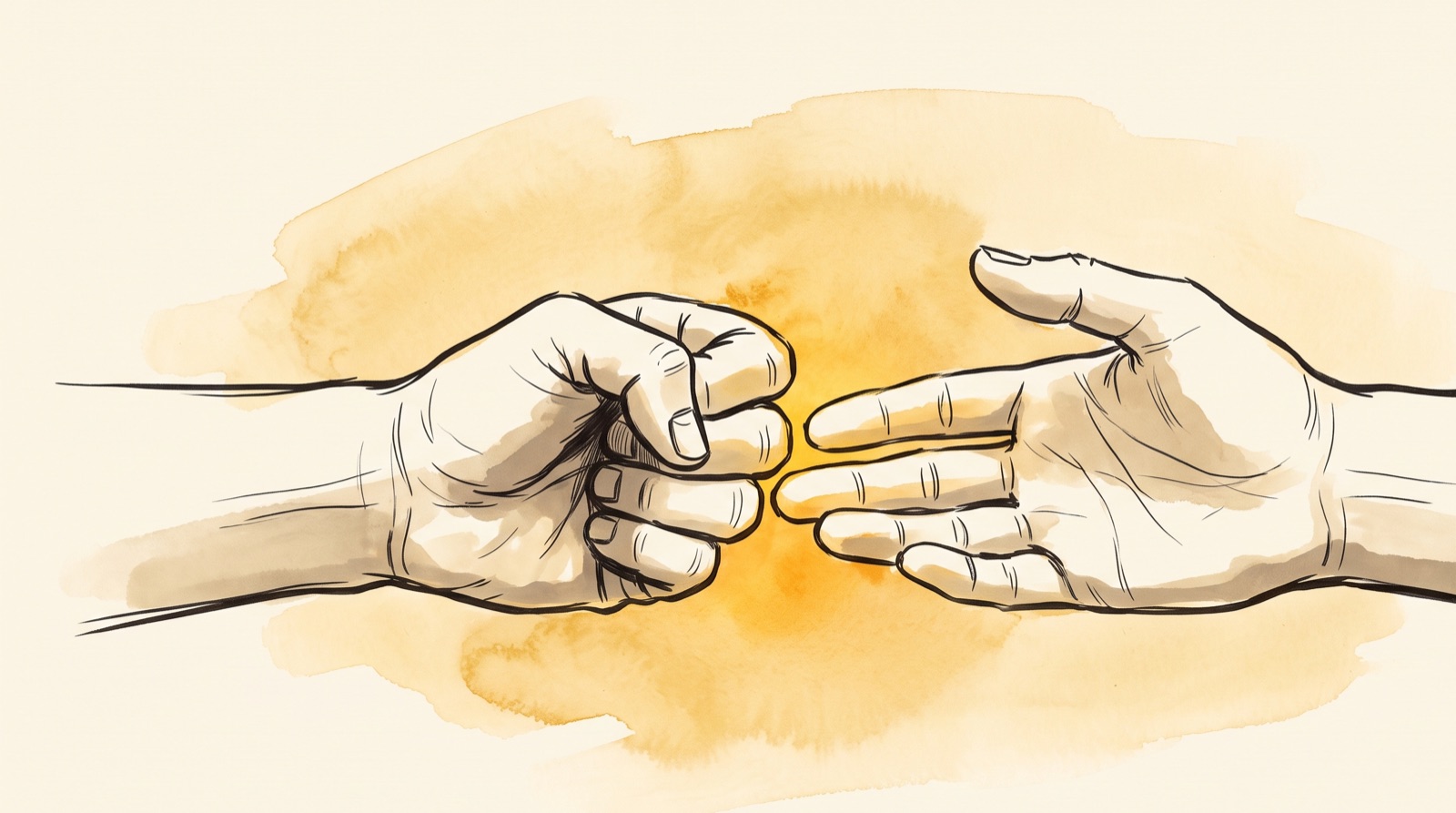
The choice of conflict mode determines not just who wins the immediate dispute but whether the underlying problem gets solved.
Worked example
A project lead and a senior engineer disagree on the technical approach for an upcoming delivery. The lead's instinct is to push a decision through quickly (competing), but the engineer sees interdependencies the lead has overlooked. When both are invited to articulate their underlying concerns in a brief session, a third option emerges that neither had proposed individually. Both parties commit to the agreement because it addresses each side's interests.
Collaborative resolution generates outcomes unavailable to either party working alone; the competing mode would have left the engineer's insight, and the integrative solution, entirely off the table.
Why it matters
The costs of unresolved or poorly resolved conflict are concrete. Relationship conflict in particular carries strong negative effects on team performance and member satisfaction2: interpersonal disputes that escalate consume cognitive bandwidth, erode psychological safety, and reduce coordination quality across a team. Task conflict, sometimes framed as healthy challenge, shows the same adverse pattern at aggregate scale. Organisations that treat conflict avoidance as a cultural norm pay a hidden cost in stalled decisions and suppressed dissent.
At the individual level, leaders who default to compromising rather than collaborating leave integrative value uncaptured4. The collaborating mode demands more: it requires psychological safety to surface each party's underlying interests and the patience to work through them. For anyone managing teams or negotiating consequential outcomes, building the full range of five conflict-handling modes is a more durable investment than refining a single preferred style1.
Questions of record
What are the five conflict resolution styles in the Thomas-Kilmann model?
The Thomas-Kilmann model identifies five conflict-handling modes arranged on two axes: competing (high assertiveness, low cooperativeness), collaborating (high on both), compromising (moderate on both), avoiding (low on both), and accommodating (low assertiveness, high cooperativeness). Each mode is appropriate in different circumstances; no single style is universally superior.
Is avoiding conflict ever a good strategy?
Avoiding is appropriate when an issue is trivial, when timing is unfavourable for productive dialogue, or when the costs of immediate engagement exceed the benefits. Used habitually, however, it correlates with lower satisfaction and fails to resolve the underlying dispute, accumulating rather than eliminating tension.
How does personality affect which conflict style a person uses?
Big Five personality traits predict conflict-style preference. Agreeableness and conscientiousness correlate with collaborative and compromising approaches; neuroticism is the strongest predictor of avoidance. These tendencies are not fixed: awareness of one's default mode is the starting point for building the situational flexibility that effective conflict resolution requires.
What is the most effective conflict resolution style for leaders?
The collaborating mode, which scores high on both assertiveness and cooperativeness, is most strongly associated with leadership effectiveness. It resolves underlying interests rather than splitting concessions, producing outcomes the other four modes cannot. Leaders who default to compromising typically leave value on the table and underperform on effectiveness ratings.