
Post-Traumatic Growth: The Complete Science of Resilience After Trauma.
Contents
Begin at the top, or open any sectionYou have been taught a binary about trauma: it damages you, or you recover. This framework actively prevents you from accessing the most powerful psychological transformation available. Resilience after trauma is not about returning to who you were. It is about becoming someone you could not have been without the adversity. And the gap between understanding this intellectually and building it into your psychological architecture is the difference between surviving crisis and being fundamentally changed by it.
The economic cost of the pathological minority is not trivial. The total economic burden of PTSD in the United States alone reached $232.2 billion in 2018: approximately $19,630 per individual with PTSD1. Yet this figure captures only those with diagnosable conditions. What it misses is the far larger population failing to convert challenge into capacity, not because they lack the raw material, but because they lack the framework.
The Executive Who Mistook Recovery for Growth
Copy link to this sectionA Fortune 500 COO survived a hostile takeover attempt and spent 18 months in therapy focused on "getting back to normal." She recovered her baseline functioning, but she missed the growth window entirely. Two years later, facing a second crisis, she had no new capacities to deploy. Her resilience after trauma was real, but her potential for transformation went unrealised because no one told her the distinction between recovery and growth. Cost: Estimated 24 months of leadership development opportunity, plus the organisational cost of a leader who stabilised but did not evolve.
The Veteran Who Was Told to "Stay Strong"
Copy link to this sectionA combat veteran was encouraged by well-meaning peers to "focus on the positive" within weeks of returning from deployment. This premature growth encouragement, precisely the toxic positivity that Tedeschi & McNally (2011) warn against2, invalidated his ongoing distress and delayed genuine processing by over a year. Only 5.6% of trauma-exposed individuals develop PTSD3, but poorly timed interventions can push borderline cases toward chronic dysfunction. Cost: 14 additional months of impaired functioning; relationship breakdown that might have been prevented with properly timed support.
The Athlete Whose Setback Became a System
Copy link to this sectionAn Olympic-track swimmer suffered a career-threatening shoulder injury at 24. Rather than simply rehabilitating, she used the enforced downtime to rebuild her mental performance system from the ground up. A systematic review found that all 16 Olympic champions in a comparison sample had experienced significant childhood adversity. This suggests that growth from setback, not avoidance of it, characterises elite trajectories4. She won gold 26 months later with a personal best. Cost of not engaging with growth: the difference between returning to baseline and exceeding it.
All three cases share the same structural error: treating resilience after trauma as a return to baseline rather than an opportunity for systematic upgrade. The executive recovered but did not grow. The veteran was pushed toward growth before he was ready. The athlete, intuitively and without formal training, engaged the growth process correctly. The research shows why: resilience is the most common post-trauma trajectory, accounting for 65.7% of cases5, but genuine post-traumatic growth requires a specific cognitive process that most people never learn.
Neuroscience
Copy link to this sectionThe brain defaults to the wrong approach for identifiable reasons. The amygdala processes threat faster than the prefrontal cortex can evaluate it6, creating an automatic bias toward avoidance and rapid stabilisation. Losses loom roughly twice as large as equivalent gains7. This means the psychological cost of engaging with painful material feels disproportionately larger than the potential benefit. And the default mode network, which drives rumination, tends toward intrusive rather than deliberate processing8: it replays trauma without extracting meaning.
Resilience after trauma is not rare. It is the statistical norm. But converting that resilience into genuine growth requires deliberate cognitive engagement that most people never receive training in. The science of post-traumatic growth provides that training: a systematic, evidence-based framework for transforming adversity into measurable psychological capability. What follows is the complete protocol.
The Short Version
Copy link to this section- 1
PTG goes beyond returning to baseline. It is genuine psychological transformation across five measurable domains. 52.6% of trauma-exposed individuals experience it.9
- 2
The strongest predictor of PTG is intentional, meaning-focused reflection (r=0.45), not passive suffering or intrusive worry.8
- 3
prefrontal cortex (PFC) activity increase is the most consistent neural correlate of resilience, and PTG corresponds to measurable structural changes in DLPFC grey matter.1011
- 4
The PTG–distress relationship is curvilinear: moderate adversity is associated with the greatest growth, not extreme trauma.12
- 5
With r=0.418 across 217 samples (N=47,940), social support is the second strongest predictor of PTG after deliberate rumination.13
- 6
Over 50% report growth by self-report, but prospective studies find only 5–25% show reliable change. Track behaviourally, not just subjectively.1415
- 7
Structured programmes of 8–12 weeks with weekly sessions show the most consistent positive results across resilience training studies.16
Deliberate Rumination Journal15 min daily
Expressive Writing Protocol20 min, 3× per week
Gratitude Micro-Practice5 min daily
What Post-Traumatic Growth Actually Is and How It Works
Copy link to this sectionThe concept of post-traumatic growth was formalised in 1995 when Richard Tedeschi and Lawrence Calhoun published Trauma and Transformation, arguing that the struggle with highly challenging life circumstances could produce positive psychological change that went beyond pre-trauma baseline17.

This was a research programme that has since generated over 600 empirical studies, multiple validated measurement instruments, and a replicable five-domain model of human transformation after adversity.
The core insight is simple in outline: trauma shatters your assumptive world, the set of beliefs, expectations, and schemas that give life predictability. Tedeschi and Calhoun (2004) called this a "psychological earthquake"18. The rebuilding process, if engaged deliberately, does not merely restore the old structure. It creates a new one that is often stronger, more flexible, and more connected than what existed before. This is not guaranteed, and it is not automatic. But it is measurable, trainable, and backed by three decades of converging evidence.
The Five Domains of PTG
Copy link to this sectionThe Posttraumatic Growth Inventory (PTGI), developed by Tedeschi and Calhoun (1996), measures growth across five empirically distinct domains with strong internal consistency (α=0.90) and test-retest reliability (r=0.71)19. The five-factor structure has been confirmed through confirmatory factor analysis across multiple populations20:
- Relating to Others. Deeper, more authentic relationships. Increased compassion and willingness to be vulnerable. Trauma strips away social pretence and reveals who shows up.
- New Possibilities. Recognition of paths and opportunities that were invisible before the crisis. Career pivots, creative breakthroughs, and new life directions frequently emerge here.
- Personal Strength. The paradoxical discovery that surviving something you thought would destroy you reveals capacities you did not know you had. "I am more vulnerable than I thought, but much stronger than I ever imagined"18.
- Appreciation of Life. Recalibrated priorities. Small pleasures gain weight. Trivial concerns lose their grip. Survivors consistently report a shift in what they consider important.
- Spiritual or Existential Change. Engagement with fundamental questions of meaning, purpose, and the nature of existence, whether through religious frameworks or secular philosophy.
The PTGI-SF (short form, 10 items) provides equivalent five-factor measurement with validated psychometric properties across three clinical samples (N=1,351)21. An expanded version, the PTGI-X, adds an existential and spiritual domain22.
The Cognitive-Processing Engine
Copy link to this sectionPost-traumatic growth does not happen through exposure alone. The central mechanism is a specific type of cognitive processing that Tedeschi and Calhoun (2004) identified as the engine of transformation18.
The process begins with a seismic event, an experience severe enough to shatter core assumptions about safety, identity, or the world. This shattering is not optional; without meaningful disruption to your existing schemas, there is nothing to rebuild. This is why Westphal and Bonanno (2007) found that highly resilient individuals rarely report high PTG: their schemas remain intact, which is protective but precludes transformation23.
After the seismic event, two types of rumination emerge. Intrusive rumination, the involuntary, repetitive replaying of traumatic material, dominates the early phase. This is distressing but serves a function: it signals that the cognitive system is attempting to process incompatible information. Over time, if conditions are right, intrusive rumination gives way to deliberate rumination: intentional, purposeful reflection on meaning, identity, and the implications of the experience.
The distinction matters considerably. Allen et al. (2022) conducted a 46-study meta-analysis and found that deliberate rumination correlates strongly with PTG (r=0.45, 95% CI [0.41, 0.49]), while intrusive rumination shows no significant positive relationship8. Stockton et al. (2011) confirmed this: deliberate rumination (β=0.44) predicts PTG; intrusive rumination does not24. The growth mechanism is not suffering. It is meaning-making.
The PTG–Distress Relationship
Copy link to this sectionOne of the most important findings in the field is that the relationship between distress and growth is not linear. Shakespeare-Finch and Lurie-Beck (2014) analysed 42 studies (N=11,469) and found that a curvilinear model (r=0.372) fits the data better than a linear model (r=0.315)12. Moderate distress is associated with the greatest PTG: neither minimal nor extreme trauma produces optimal conditions for growth. This is consistent with the broader arousal-performance relationship identified by Yerkes and Dodson (1908)25: performance peaks at moderate arousal and declines at extremes.
This has a critical practical implication: if you are in acute crisis, growth facilitation is premature. If you have experienced a mild inconvenience, the schema disruption required for PTG has not occurred. The growth window opens when distress is real but manageable, when your assumptive world has been genuinely challenged but you retain the cognitive resources to rebuild.
The Predictors That Matter Most
Copy link to this sectionA meta-analysis of 103 studies by Prati and Pietrantoni (2009) identified the strongest predictors of PTG26: religious coping and positive reappraisal, the deliberate reinterpretation of negative events in a way that extracts meaning or benefit, produced the largest effect sizes. Social support, optimism, and acceptance coping also contributed significantly.
Linley and Joseph (2004) reviewed 39 studies and confirmed that cognitive appraisal, acceptance, and positive affect predict post-traumatic growth27. Joseph and Linley (2012) later formalised this into the affective-cognitive processing model, arguing that post-traumatic stress itself drives growth: the distress signals that cognitive accommodation is underway28.
Gender moderates PTG: Vishnevsky et al. (2010) analysed 70 studies (N=16,076) and found that women report significantly more PTG than men, with age amplifying the gender gap in older samples29. This may reflect genuine differences in relational processing or measurement artefacts in self-report. The field has not yet resolved this question.
The Illusory Growth Debate
Copy link to this sectionNo responsible account of PTG can ignore the strongest critique: that much of what people report as growth is illusory. Boals (2023) argued that genuine PTG is rare, identifying five systematic biases that inflate self-reported growth14. Jayawickreme and Blackie (2014) noted that the field conflates perceived growth with genuine personality-level change30. Prospective longitudinal studies show only 5–25% of participants demonstrating reliable growth across character strength outcomes15.
Zoellner and Maercker (2006) proposed a two-component model distinguishing constructive PTG (genuine transformation) from illusory PTG (a coping mechanism that may actually reinforce avoidance)31. This distinction is critical: the Calhoun and Tedeschi (2006) expanded framework acknowledges that not all reported growth translates into behavioural change.
The counter-evidence, though, is substantial. Mangelsdorf et al. (2019) conducted a landmark meta-analysis of 154 samples (N=98,436) and found that genuine growth does occur, though it is simply smaller than cross-sectional self-report suggests32. Shakespeare-Finch and Enders (2008) validated PTG through significant-other corroboration, showing that at least some self-reported growth is externally observable33. The resolution is not "PTG is fake." It is "PTG exists on a spectrum, and deliberate intervention increases the genuine component."
The most important thing is that growth does not occur as a direct result of trauma. It is the individual's struggle with the new reality in the aftermath of trauma that is crucial in determining the extent to which posttraumatic growth occurs. — Tedeschi & Calhoun (2004)18
I am more vulnerable than I thought, but much stronger than I ever imagined. — Tedeschi & Calhoun, on the paradox of post-traumatic growth18
Post-traumatic growth is a validated, measurable phenomenon operating across five psychological domains. The engine of growth is not trauma itself but deliberate cognitive engagement with the meaning of adversity. The relationship between distress and growth is curvilinear: moderate challenge produces the most transformation. While illusory PTG is common, genuine growth is real, externally observable, and amplified by deliberate practice.
Protocols for Resilience After Trauma
Copy link to this sectionKnowing that post-traumatic growth exists is not enough.

Can you deliberately cultivate it? Across 12 RCTs, the answer is yes. Roepke (2015) conducted a meta-analysis of psychosocial interventions targeting PTG and found a significant positive effect (Hedges' g=0.36, 95% CI [0.23, 0.48], N=1,171)34. The effect is moderate (this is not a magic pill), but it is reliable and replicable. Below are the specific protocols with the strongest evidence bases.
Cognitive Processing Therapy
Copy link to this sectionCognitive Processing Therapy (CPT) is the single most powerful evidence-based intervention for trauma processing. Kline et al. (2018) analysed 11 trials (N=1,130) and found a post-treatment effect of Hedges' g=1.24, meaning the average CPT-treated participant fared better than 89% of untreated controls35. At follow-up, the effect remained large (g=0.90). Cusack et al. (2016) confirmed CPT as one of the three treatments with the strongest evidence base for PTSD (alongside Prolonged Exposure and EMDR), with NNT<4 across 64 trials36.
CPT works by identifying and challenging stuck points, the rigid beliefs about self, others, and the world that form after trauma ("I should have prevented it," "The world is completely unsafe," "I can never trust anyone again"). Through structured worksheets and Socratic questioning, these beliefs are tested against evidence and rebuilt into more flexible, accurate schemas.
Expressive Writing
Copy link to this sectionFor those not in formal therapy, expressive writing offers an accessible, evidence-based entry point. Pavlacic et al. (2019) found in a meta-analysis that expressive writing significantly improves PTG, reduces PTSD severity, and improves quality of life37. The protocol is straightforward: write about your deepest thoughts and feelings regarding a traumatic or stressful experience for 15–20 minutes across 4–6 sessions.
The mechanism operates through cognitive-linguistic processing. Zheng et al. (2019) found that the use of cognitive words (words reflecting insight, causation, and understanding) mediates the relationship between expressive writing and PTG38. Smyth et al. (2008) demonstrated that expressive writing improves mood and cortisol reactivity in PTSD patients39. The key is not emotional venting. It is the shift from raw emotion to structured understanding.
Rost et al. (2019) confirmed that internet-based expressive writing produces significant PTG increases over 6 weeks, making the protocol accessible without clinical infrastructure40. Read et al. (2022) found that even photography-based interventions, a visual form of expressive processing, significantly increased PTG versus controls (N=109)41.
Mindfulness-Based Stress Reduction
Copy link to this sectionMindfulness-Based Stress Reduction (MBSR) provides a complementary pathway. Liu et al. (2022) analysed 10 RCTs (N=768) and found MBSR produces significant PTSD reduction with Hedges' g=0.46 (95% CI [0.31, 0.62], p<0.001)42. The mechanism differs from CPT: rather than challenging specific beliefs, MBSR builds the capacity for non-reactive awareness of distressing thoughts and sensations.
Deliberate Rumination Training
Copy link to this sectionSince deliberate rumination is the strongest single predictor of PTG (r=0.45)8, any practical protocol must include methods for shifting from intrusive to deliberate processing. The key distinction: intrusive rumination is automatic, repetitive, and focused on "what happened"; deliberate rumination is intentional, progressive, and focused on "what it means."
Taku et al. (2009) confirmed this mechanism cross-culturally: deliberate rumination was the strongest predictor of PTG in both US (N=224) and Japanese (N=431) samples43. The training protocol involves:
- Recognise: notice when you are ruminating. Ask: "Am I choosing this, or is it happening to me?"
- Redirect: if intrusive, gently shift to a deliberate question: "What have I learned?" or "How has this changed what I value?"
- Record: write the insight down. The act of externalisation transforms implicit processing into explicit knowledge.
Social Support Activation
Copy link to this sectionNing et al. (2023) found social support correlates r=0.418 with PTG across 217 samples (N=47,940)13. This is not passive. It requires deliberate activation. The quality of disclosure matters more than the quantity. Sharing the emotional truth of an experience with a trusted person who responds with empathy (not problem-solving) facilitates the cognitive reappraisal process.
De Jongh et al. (2018) found that both EMDR and Brief Eclectic Psychotherapy produce significant PTG increases across all five PTGI subdomains (N=116), suggesting multiple therapeutic modalities can serve as vehicles for structured growth44. Wagner et al. (2016) demonstrated that couples-based cognitive-behavioural therapy (CBCT) produced PTG increases with Hedges' g=0.45 versus waitlist (N=40 couples)45, showing that relational interventions are particularly powerful.
Self-Compassion as Growth Accelerator
Copy link to this sectionA 2025 study by Adonis et al. (N=413) found that self-compassion moderates the PTS–PTG relationship: high self-compassion substantially increases PTG for high-trauma individuals46. Luo et al. (2021) confirmed the mechanism in a meta-analysis of 12 studies: self-compassion interventions show SMD=−0.65 (95% CI: −0.97, −0.34) on post-traumatic stress, with longer duration producing significantly better outcomes47.
Self-compassion is not self-indulgence. It is the capacity to treat yourself with the same kindness you would offer a friend in similar circumstances. It appears to be a critical accelerator of the growth process, particularly for high-trauma individuals.
Trauma-Focused CBT for Youth
Copy link to this sectionFor younger populations, Lenz and Hollenbaugh (2015) found trauma-focused CBT produces large effects (d=−1.22 for PTSD) across 21 studies and N=1,860 children and adolescents48. Thielemann et al. (2024) showed remarkable durability: TF-CBT effects actually increased from post-treatment (ES=1.14) to 12-month follow-up (ES=1.71) across 28 RCTs (N=4,523)49. This suggests that well-designed trauma interventions initiate a growth trajectory that continues to unfold long after formal treatment ends.
Posttraumatic growth is not a return to baseline. It is a fundamental reconfiguration, and it requires the courage to rebuild rather than merely repair. — Calhoun & Tedeschi (2006)
Resilience after trauma can be deliberately cultivated through evidence-based protocols. CPT shows the largest effects (g=1.24), but expressive writing, MBSR, deliberate rumination training, social support activation, and self-compassion practices all produce significant, replicable gains. The common thread: shifting from avoidance to engagement, from intrusive processing to deliberate meaning-making.
Use itThe Growth Protocol Stack
What Happens in the Brain During Resilience After Trauma
Copy link to this sectionPost-traumatic growth is not a metaphor.
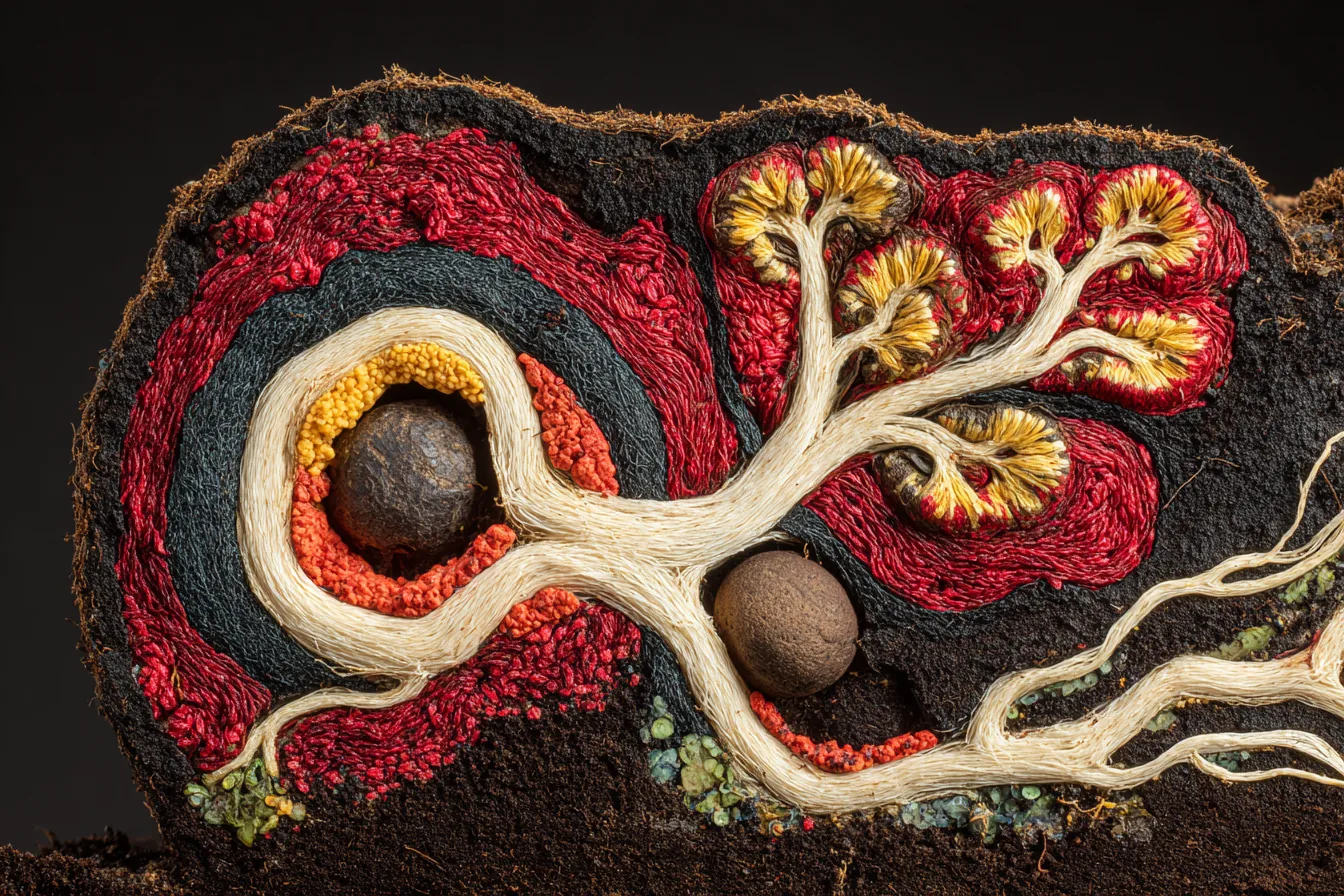
It corresponds to measurable changes in brain structure, neural connectivity, and neurochemical signalling. The neuroscience of resilience after trauma reveals that growth involves active neurobiological processes, not merely the absence of pathology. Only 7.8% of the general population develops a psychiatric disorder despite 50–60% lifetime exposure to severe trauma50, and the neural mechanisms that protect the majority are increasingly well understood.
The Prefrontal–Amygdala Circuit
Copy link to this sectionThe most consistent neuroimaging correlate of resilience is increased prefrontal cortex (PFC) activity. Bolsinger et al. (2018) reviewed 45 studies and found this to be the single most reliable neural signature of resilience to trauma10. The mechanism is regulatory: the PFC inhibits amygdala threat responses, enabling top-down cognitive control over emotional reactivity.
Kredlow et al. (2022) detailed the PFC–amygdala circuit in the context of PTSD, drawing on ENIGMA-PGC consortium data (N=3,571): cortical volume reduction correlates with symptom severity, and the failure of prefrontal inhibition over amygdala activity is the central neural mechanism of post-traumatic pathology51. Shin, Rauch, and Pitman (2006) confirmed that amygdala hyperreactivity is positively correlated with PTSD symptom severity6.
Koenigs and Grafman (2009) add a striking data point from a study of 245 Vietnam veterans: those with amygdala lesions showed approximately 0% PTSD rates versus 48% in controls52. The amygdala is not merely correlated with PTSD. It is mechanistically necessary for it. This explains why interventions that strengthen prefrontal regulation (CPT, MBSR, expressive writing) are effective: they work to restore the brain's top-down control architecture.
Arnsten et al. (2014) showed that acute stress impairs PFC function via catecholamine release: norepinephrine and dopamine flood the prefrontal cortex, impairing working memory and executive function53. The recovery process involves restoring catecholamine balance and rebuilding PFC regulatory capacity. Reimers (2024) noted that the uniquely expanded human PFC enables early experience to modulate stress physiology, a capacity not shared with other primates to the same degree54.
The Hippocampal Architecture
Copy link to this sectionThe hippocampus, critical for memory consolidation and contextual learning, is among the brain structures most affected by trauma. Ben-Zion et al. (2024) conducted a scoping review (N=2,876 across studies) and found that 53% of neuroimaging studies report lower CA3 hippocampal volumes in PTSD, with 50% finding reduced dentate gyrus volumes55. These subregions are specifically involved in pattern separation, the ability to distinguish between similar but different situations, which is precisely the capacity that breaks down in trauma (where safe situations trigger threat responses because they resemble the original event).
Roeckner et al. (2021) reviewed 48 longitudinal neuroimaging studies and found that hippocampal volume and ventromedial PFC coupling predict resilient outcomes56. Bremner et al. (2008) demonstrated that treatment can reverse hippocampal volume loss associated with PTSD: the brain's structural damage is not permanent57. Kalisch et al. (2024) synthesised the neurobiology and systems biology of stress resilience, identifying hippocampal pattern separation as a key mechanism protecting against pathological fear generalisation58.
Stress Inoculation and Neural Remodelling
Copy link to this sectionOne compelling line of evidence for growth-through-adversity comes from stress inoculation research. Animal model note: In a squirrel monkey study, Lyons et al. (2009) found that animals exposed to moderate, controllable stress early in development showed increased vmPFC volume, enhanced white matter myelination, and superior cognitive control. 100% of stress-inoculated animals passed peak cognitive trials versus fewer than 50% of controls59. This provides a proposed neurobiological mechanism for the effects of controlled challenge, but human replication of this specific finding has not been established; the result should be read as a directional animal-model signal, not a confirmed human effect.
Ashokan et al. (2016) reviewed the stress inoculation literature and confirmed the general principle in rodent and primate models: moderate, controllable stress enhances PFC-mediated cognitive control and reduces cortisol reactivity to future stressors60. Ayash et al. (2020) demonstrated in a mouse model that stress inoculation confers broad resilience across multiple stressor types, not just the original stressor61.
Neurochemical Mechanisms
Copy link to this sectionRusso et al. (2012), writing in Nature Neuroscience, established that resilience is an active neurobiological process, not merely the absence of pathological response50. Key mechanisms include:
- VTA dopamine system: Upregulation of potassium channels in ventral tegmental area (VTA) dopamine neurons characterises resilient animals, modulating reward circuit excitability.
- ΔFosB in nucleus accumbens: This transcription factor accumulates with repeated stress in resilient animals, mediating glutamate receptor (GluA2) expression that protects against depression-like behaviour.
- HPA axis recalibration: Speer et al. (2019) found that chronic PTSD is associated with hypocortisolism, while high pre-treatment cortisol predicts better therapeutic outcomes62. Murphy et al. (2022) showed that childhood trauma disrupts HPA axis development, producing blunted cortisol awakening responses63.
Seidemann et al. (2021) found that PTSD is associated with reduced nucleus accumbens and mesial PFC activation during reward tasks, which suggests striatal dopaminergic dysfunction64. No studies have directly measured dopaminergic changes during PTG; the inference that growth involves restoration of reward processing is drawn from the resilience and PTSD reward literature and should be treated as a mechanistic hypothesis, not an established finding.
Cathomas et al. (2019) expanded the picture to include gut-brain axis mechanisms, arguing that resilience involves integrated central and peripheral processes including microbiota-mediated signalling65. Faye et al. (2018) identified serotonergic, glutamatergic, and GABAergic system contributions, noting that enhanced stress resilience may slow biological aging66.
Biomarkers and Measurement
Copy link to this sectionHeart rate variability (HRV) has emerged as a promising biomarker for autonomic flexibility and resilience. Kim et al. (2018) meta-analysed 37 studies and found that psychological stress decreases parasympathetic HRV, while higher baseline HRV predicts better stress recovery67. An et al. (2020) found that resting HRV is associated with psychological resilience in Special Forces personnel (N=24), though the small sample size limits generalisability68.
Iqbal et al. (2023) estimated that 3.5% of the US population (11 million Americans) is affected by PTSD, with disruption to the PFC-hippocampus-amygdala triad as the unifying neural signature69. Dell'Osso et al. (2023) identified a biological PTG signature comprising DLPFC activity, lower cortisol, and FKBP5 methylation, epigenetic markers that may indicate growth-related neural remodelling70.
Preliminary small-N neuroimaging data (Fujisawa et al., 2015; N=30) find PTG is associated with greater resting-state connectivity in rostral PFC and parietal regions (r=0.41–0.49), though the cross-sectional design means directionality is unknown71. This is exploratory and requires replication; no meta-analytic neuroimaging data specific to PTG functional connectivity exists.
Wei et al. (2016) found that higher PTG was associated with greater right DLPFC grey matter volume in disaster survivors11, providing structural evidence that growth corresponds to measurable brain changes.
Resilience is not the absence of distress. It is an active neurobiological process involving molecular and circuit-level adaptations that maintain normal function under threat. — Russo et al. (2012), Nature Neuroscience50
The neuroscience of resilience after trauma reveals that growth involves active neural remodelling, not just recovery from damage. The PFC–amygdala regulatory circuit, hippocampal pattern separation, stress inoculation mechanisms (established in animal models), and neurochemical adaptations all point in the same direction: the brain is architecturally designed to grow from challenge, provided the challenge is moderate, the environment is supportive, and the cognitive processing is deliberate.
Building Resilience After Trauma Into Your Life
Copy link to this sectionUnderstanding PTG mechanisms is necessary but insufficient.
The question is how to implement a sustainable growth practice. The strongest evidence supports structured programmes of 8–12 weeks with weekly sessions: Ferreira et al. (2021) reviewed 38 resilience intervention studies and found that 66% showed significant positive results, with this format emerging as the most evidence-supported16. Joyce et al. (2018) confirmed the effect in a meta-analysis of 11 RCTs (N=839): resilience training programmes produce SMD=0.44 (95% CI 0.23–0.64), with combined CBT+mindfulness approaches showing the largest effect (SMD=0.51)72.
The Implementation Architecture
Copy link to this sectionThe most effective implementation follows a layered approach, building from daily micro-practices to weekly structured sessions to monthly assessment reviews.
Daily Layer (15–20 min): Choose two from the evidence-based practices: deliberate rumination journaling8, gratitude practice73, mindfulness body scan42, or self-compassion exercise47. Rotate practices weekly to prevent habituation.
Weekly Layer (45–60 min): One structured processing session: either expressive writing (20 min)37, narrative reconstruction (30 min)74, or a supported conversation with a growth-oriented peer using the social support protocol13.
Monthly Layer (30 min): Complete the PTGI-SF21 or full PTGI19 and track scores across the five domains. Identify your strongest and weakest growth dimensions and adjust daily practices to target the weakest.
The Umbrella Evidence
Copy link to this sectionAbate et al. (2024) conducted an umbrella review of 44 meta-analyses encompassing N=556,920 participants and found a pooled effect size of ES=0.42 for resilience-promoting interventions75. Self-regulation emerged as the strongest individual protective factor (ES=0.43). This large synthesis confirms that resilience after trauma is trainable at scale.
Digital and Technology-Supported Options
Copy link to this sectionFor those without access to in-person programmes, Ang et al. (2022) analysed 22 RCTs of digital resilience training (N=2,876) and found a moderate immediate effect (Hedges' g=0.54 at post-intervention)76. Effects appeared to grow at 6-month follow-up (g=1.09), an unusual pattern that likely reflects control-group deterioration rather than continued programme benefit; interpret the post-training g=0.54 as the primary estimate rather than the follow-up figure. The key finding: digital delivery is a viable format for resilience training.
Growth Mindset as Foundation
Copy link to this sectionGrowth mindset, the belief that abilities can be developed through effort and learning, provides a cognitive foundation for PTG. Burnette et al. (2020) meta-analysed 72 samples (N=17,692) and found growth mindset negatively correlated with psychological distress (r=−0.220) and positively correlated with active coping (r=0.207)77. Yeager and Dweck (2020) reviewed datasets ranging from N=12,490 to N=555,458 and confirmed growth mindset effects on achievement (r=0.24–0.34), with context moderating the effect size78.
Gao et al. (2024) conducted an RCT of a positive education intervention (N=167, 12-week programme) and found large effects on both resilience (η²=0.21) and growth mindset (η²=0.96)79. This suggests that growth mindset can be efficiently trained alongside resilience skills.
The Positive Emotion Engine
Copy link to this sectionBarbara Fredrickson's broaden-and-build theory provides the mechanistic bridge between daily practice and long-term growth80. Positive emotions broaden your thought-action repertoire, expanding the range of responses available to you, and over time, these broadened moments build durable personal resources: resilience, social connections, and cognitive flexibility.
Fredrickson et al. (2008) demonstrated this experimentally: a 7-week loving-kindness meditation programme built 9 measurable personal resources, with a dose-response effect that tripled from Week 2 to Week 771. Fredrickson and Joiner (2002) showed that positive affect and broad-minded coping mutually reinforce in an upward spiral (N=138, 5-week longitudinal)81. Cohn et al. (2009) found that positive emotions predicted resilience at Time 2 (r=0.454, p<.001) and that change in resilience mediated the positive emotion–life satisfaction link in this sample (N=86); treat this as a directional signal from a single study rather than an established effect magnitude82. Tugade et al. (2004) showed that resilient individuals achieve faster cardiovascular recovery via positive emotions (trait resilience–happiness r=0.47)83.
Tracking What Matters
Copy link to this sectionEffective implementation requires measurement. The validated instruments:
- PTGI (21 items): Gold standard for measuring PTG across five domains19
- PTGI-SF (10 items): Equivalent psychometric properties, practical for monthly tracking21
- PTGI-X (25 items): Expanded version with existential/spiritual domain22
- Connor-Davidson Resilience Scale: Dominant outcome measure in resilience training studies16
Jozefiaková et al. (2022) confirmed women's PTG advantage at 0.35 SD (N=1,018), and importantly found that PTG and resilience correlate weakly (r=−0.05), which confirms they are distinct constructs requiring separate measurement84.
The specific PTG minimum dose has not been established in the literature. The best available evidence from resilience training (8–12 weeks with weekly sessions)16 and expressive writing (4–6 sessions)39 provides practical guidance, but the growth trajectory is highly individual85.
Positive emotions are not trivial luxuries. They are the fuel that builds durable psychological resources over time. — Fredrickson (2004)80
Build a layered implementation: daily micro-practices (15–20 min), weekly processing sessions (45–60 min), and monthly PTGI assessment. The umbrella evidence supports a pooled effect of ES=0.42 across 44 meta-analyses. Digital delivery is viable. Growth mindset and positive emotion practices provide the cognitive and emotional foundation. Track your progress across the five PTG domains and adjust your practice to target your weakest dimension.
Use itThe Implementation Architecture
How Post-Traumatic Growth Plays Out in the Real World
Copy link to this sectionPost-traumatic growth is not an abstract laboratory phenomenon.
It operates across every domain where humans face significant adversity. The applied evidence spans five major life contexts, each with domain-specific patterns and practical implications for resilience after trauma.
Workplace and Career
Copy link to this sectionMaitlis (2020) provided the definitive review of PTG at work, identifying three primary growth pathways: strengthened work identity, increased career proactivity, and development of prosocial leadership capacities86. Social support from supervisors and peers emerged as the critical facilitator, more important than formal organisational programmes.
Tsirimokou et al. (2023) reviewed vicarious PTG in helping professionals and found that even indirect exposure to others' trauma can produce growth, provided the professional has adequate supervision and peer support87. This has direct implications for first responders, healthcare workers, and crisis managers.
Military and Veterans
Copy link to this sectionThe strongest longitudinal evidence for PTG comes from veteran populations. Tsai et al. (2016) tracked 1,484 US veterans nationally and found that 63.2% endorsed moderate-or-greater PTG, while 86.4% of those with diagnosed PTSD also endorsed PTG85. This is a critical finding: PTSD and PTG coexist in the same individuals. Growth does not require the absence of symptoms.
Pietrzak and Cook (2021) confirmed this in a national sample (N>1,000): PTG was independently associated with better mental, cognitive, and psychosocial functioning, even after controlling for PTSD severity88. Tedeschi and McNally (2011) specifically addressed PTG facilitation in military populations, warning that premature encouragement is counterproductive but that structured growth programmes, properly timed, can be integrated into veteran reintegration2.
Health and Medical Adversity
Copy link to this sectionSawyer, Ayers, and Field (2010) meta-analysed 38 studies of cancer and HIV patients (N=7,927) and found PTG positively associated with reduced negative mental health and improved positive well-being89. However, Helgeson et al. (2006) cautioned in an 87-study meta-analysis that benefit finding is unrelated to quality of life, anxiety, or global distress; its primary associations are with reduced depression and increased positive well-being90. The implication: PTG is not a panacea that resolves all health-related psychological distress.
Stanton et al. (2006) reported PTG prevalence of 30–90% across cancer survivor samples, with the wide range reflecting differences in timing, measurement, and cancer type91. Danhauer et al. (2013) showed that social support and meaning-making at diagnosis predict the PTG trajectory in leukaemia patients, not treatment outcome or disease severity92. Karanci and Erkam (2007) confirmed similar patterns in Turkish breast cancer patients93.
Sport and Athletic Performance
Copy link to this sectionA systematic review by Hardy et al. (2017) found that all 16 Olympic champions in a comparison sample had experienced significant childhood adversity, versus 16 non-medalling Olympians who showed lower adversity exposure4. This finding should be interpreted cautiously (N=32 total), but it aligns with the broader PTG literature: growth through adversity may contribute to elite-level performance trajectories.
Salim et al. (2015) examined hardiness, coping, and stress-related growth following sport injury, finding that deliberate cognitive engagement with the injury experience predicted growth94. Wadey et al. (2012) confirmed through qualitative follow-up that hardiness develops throughout the sport-injury process95.
Crisis and Pandemic Contexts
Copy link to this sectionVazquez et al. (2021) surveyed a nationally representative Spanish sample (N=1,459) during COVID-19 and found that 60.8% of the general population reported PTG, with women and younger adults reporting more growth96. Brooks et al. (2017) demonstrated that the PTG pattern replicates across students, crime survivors, and trauma workers, with a curvilinear PTSD–PTG pattern in all groups97. Zhang et al. (2024) found that psychological resilience predicts PTG in college students during pandemic conditions, with deliberate rumination moderating the effect98.
PTG operates across every major life domain: workplace, military, health, sport, and crisis. The patterns are consistent: social support and deliberate cognitive processing predict growth, timing matters, and PTG coexists with ongoing distress rather than replacing it. Domain-specific applications should be tailored to context, but the underlying mechanism is universal.
Where People Go Wrong With Post-Traumatic Growth
Copy link to this sectionThe PTG literature is not a self-help narrative.
It contains serious warnings about how growth can be misunderstood, misapplied, and weaponised. Understanding these errors is as important as understanding the mechanisms, because getting PTG wrong does not merely fail to help. It can actively cause harm.
Error 1: Confusing Perceived Growth with Genuine Growth
Copy link to this sectionThe most fundamental error. Boals (2023) argued that illusory PTG is common while genuine PTG is rare, identifying five systematic biases: retrospective recall distortion, social desirability, cultural expectation, compensatory self-enhancement, and temporal comparison illusions14. Boals et al. (2019) demonstrated this prospectively (N=64): correlations between perceived and actual psychological change were very small and non-significant99. Jayawickreme et al. (2020) found that only 5–25% of participants show reliable growth across character strength outcomes in prospective large-N designs15.
The fix: Use prospective tracking (PTGI at regular intervals) rather than single retrospective assessment. Look for behavioural evidence of growth, not just subjective reports. Blackie et al. (2015) showed that cultural expectation primes inflate PTGI scores without accompanying behavioural change100.
Error 2: Premature Growth Encouragement (Toxic Positivity)
Copy link to this sectionTedeschi and McNally (2011) warned explicitly against facilitating PTG in people still experiencing acute distress2. Telling someone who is actively suffering that they should "look for the silver lining" invalidates their experience and can entrench avoidance. Growth facilitation is appropriate only after safety and stabilisation have been established.
The fix: Respect the timeline. Growth follows stabilisation, not the reverse. In the early post-trauma phase, focus on safety, connection, and normalisation of distress, not meaning-making.
Error 3: Treating PTG and Resilience as Identical
Copy link to this sectionWestphal and Bonanno (2007) demonstrated that PTG and resilience are distinct and paradoxically opposed: highly resilient individuals rarely report high PTG because they experience minimal schema disruption23. PTG specifically requires that your existing worldview be significantly challenged. If your schemas remain intact (as they do in resilient individuals), there is nothing to rebuild.
The fix: Do not equate "I handled it well" with "I grew from it." Handling adversity well is resilience. Growing from it requires a qualitatively different process involving schema disruption and reconstruction.
Error 4: Assuming Suffering Is Required for Growth
Copy link to this sectionMangelsdorf et al. (2019) (154 samples, N=98,436) found that positive life events produce comparable or greater genuine growth than negative events32. The assumption that you must suffer to grow is not supported by longitudinal data. Growth occurs through engagement with challenging experience, not through the severity of the experience itself.
The fix: Pursue growth through challenge, not through suffering. Seek out experiences that stretch your schemas (new roles, cultures, relationships, responsibilities) without requiring trauma as the catalyst.
Error 5: Ignoring the Curvilinear Relationship
Copy link to this sectionThe PTG–distress relationship is not "more trauma = more growth." Moderate distress is associated with the greatest PTG; extreme trauma can overwhelm coping resources and prevent growth entirely12. This means that the people who need growth most (those with extreme trauma) may be least positioned to achieve it without professional support.
The fix: Match the intervention to the distress level. Mild stress does not require PTG interventions. Moderate stress is the optimal growth window. Severe trauma requires stabilisation and professional support before growth-oriented work begins.
Error 6: Neglecting the Dark Side of Benefit Finding
Copy link to this sectionHelgeson et al. (2006) found across 87 studies that benefit finding is associated with more intrusive thoughts, not fewer90. Growth and distress coexist. Claiming growth can sometimes be a cognitive avoidance strategy, providing a narrative that prevents deeper processing.
The fix: Monitor for avoidance-masquerading-as-growth. If your "growth narrative" prevents you from engaging with painful material, it may be Zoellner and Maercker's (2006) illusory (palliative) component rather than genuine constructive growth31.
Error 7: Assuming PTG Is Universal and Automatic
Copy link to this sectionNot everyone grows from trauma. Henson et al. (2022) systematically reviewed barriers to PTG and identified attachment insecurity, avoidance coping, and intolerance of uncertainty as key inhibitors101. Zhai et al. (2021) found three latent classes among bereaved adults: Growth only (~30%), Growth+Psychopathology (~35%), and Psychopathology only (~35%)102. One-third of trauma-exposed individuals show no growth trajectory at all.
The fix: Treat PTG as a possibility, not an expectation. Creating pressure to grow from trauma is itself a form of toxic positivity.
Error 8: Using PTG to Minimise Systemic Harm
Copy link to this sectionThe most dangerous misapplication of PTG research is using it to justify exposing people to preventable trauma ("it'll make them stronger") or to minimise institutional responsibility for harm. The Yerkes-Dodson framework25 applies only to moderate, controllable stressors, not to systemic injustice, abuse, or exploitation.
The fix: Human capacity to grow from adversity is well-documented, but it is not a justification for adversity. Policy and institutional responses should still prioritise harm prevention.
Can we facilitate posttraumatic growth? Yes, but only when we respect the timeline, the person, and the limits of what growth can and cannot resolve. — Tedeschi & McNally (2011)2
The eight errors share a common root: treating PTG as simpler than it is. Growth is real but not universal, often smaller than perceived, requires a specific cognitive process, follows (rather than replaces) stabilisation, and must never be used to justify preventable harm. Correcting these errors is a prerequisite for ethical, effective growth practice.
Use itThe Growth Corrections
Myths vs Evidence
Copy link to this section"Trauma either breaks you or you bounce back to normal"
Research consistently shows a third trajectory: 52.6% of trauma-exposed individuals report moderate-to-high post-traumatic growth, developing capacities that exceeded their pre-trauma baseline.9 Wu et al. (2019) meta-analysis of 26 studies found PTG prevalence of 52.6% (95% CI: 48.66%–56.48%) across diverse trauma populations.9
"You need to suffer enormously to grow from adversity"
A landmark meta-analysis of 154 samples (N=98,436) found that positive life events produce comparable or greater genuine growth than negative events. Moderate, not extreme, distress is associated with the greatest PTG.32 Mangelsdorf et al. (2019) demonstrated that the relationship between suffering and growth is far weaker than the field assumed.32
"Post-traumatic growth is just positive thinking in disguise"
PTG is validated across five distinct psychological domains with α=0.90 reliability. It correlates with structural brain changes including increased prefrontal cortex grey matter volume.1911 Tedeschi & Calhoun (1996) developed the PTGI with robust psychometric properties across 600+ studies.19
"Resilient people experience the most post-traumatic growth"
Highly resilient individuals rarely report high PTG because they experience minimal schema disruption. PTG specifically requires that your existing worldview be significantly challenged, which resilience prevents.23 Westphal & Bonanno (2007) showed that PTG and resilience are paradoxically opposed: "different coins, not different sides of the same coin."23
"All self-reported growth after trauma is genuine"
Prospective studies show very small or non-significant correlations between perceived and actual psychological change. Only 5–25% show reliable growth in prospective large-N designs.1415 Boals (2023) identified five systematic biases that inflate perceived PTG in retrospective self-report measures.14
"You should encourage growth as soon as possible after trauma"
Encouraging growth in people still experiencing acute distress invalidates their suffering and can increase long-term psychological harm. Growth facilitation is appropriate only after basic safety and stabilisation.2 Tedeschi & McNally (2011) specifically warned against facilitating PTG in active-distress populations, a toxic positivity risk.2
"Post-traumatic growth means the trauma was worth it"
PTG is positively associated with meaning in life and life satisfaction, but distress and growth co-occur. Growth does not erase suffering. It transforms the relationship to it.103 Triplett et al. (2012, N=565) found PTG correlated with both meaning in life and ongoing distress simultaneously.103
"Post-traumatic growth is just a Western cultural concept"
Deliberate rumination predicts PTG in both US (N=224) and Japanese (N=431) samples, with near-identical effect sizes. The PTGI has been validated across dozens of countries and languages.43 Taku et al. (2009) confirmed deliberate rumination as the strongest predictor of PTG in both individualist and collectivist cultures.43
"Only therapy can produce post-traumatic growth"
Expressive writing, mindfulness-based stress reduction, gratitude practices, and structured social support all produce significant PTG effects without requiring formal therapy.374273 Roepke (2015) meta-analysis of 12 RCTs found psychosocial interventions produce significant PTG increases (Hedges' g=0.36).34
"There's no neuroscience behind post-traumatic growth"
PTG correlates with increased prefrontal cortex activity (the most consistent neuroimaging finding across 45 studies), and higher right DLPFC grey matter volume in trauma survivors.1011 Bolsinger et al. (2018) comprehensive review of 45 neuroimaging studies identified PFC activity increase as the strongest neural correlate of resilience.10
Limitations & Open Questions
Copy link to this sectionPremature encouragement of growth in actively distressed individuals invalidates their experience and can delay genuine recovery by months or years. Tedeschi & McNally (2011)2. Do not introduce growth framing until safety and stabilisation are established. Growth follows recovery, not the reverse.2.
Self-reported growth that functions as cognitive avoidance rather than genuine transformation. The individual feels they have grown but has not changed behaviourally; the growth narrative prevents deeper processing. Boals (2023); Zoellner & Maercker (2006)1431. Use prospective PTGI tracking over time rather than single retrospective assessments. Look for behavioural evidence of change.1431.
PTG requires schema disruption, but disruption without adequate social and cognitive support can produce chronic destabilisation rather than growth. Approximately 35% of trauma-exposed individuals show psychopathology-only trajectories.102. Henson et al. (2022); Zhai et al. (2021)101102. Build social support infrastructure before targeting growth. Ning et al. (2023) found r=0.418 between social support and PTG. Support is not optional.13.
Using growth-from-adversity findings to justify exposing people to preventable harm, to reduce organisational support post-crisis, or to frame systemic problems as individual growth opportunities. Mangelsdorf et al. (2019)32. Human capacity to grow from adversity is not a justification for adversity. Policy responses must still prioritise harm prevention.32.
This guide does not provide clinical treatment protocols for PTSD, complex PTSD, or acute stress disorder. Consult a licensed trauma specialist for clinical conditions. This guide does not address spiritual or religious growth frameworks: the evidence base is secular and empirical. This guide does not claim that PTG replaces therapy. It provides a framework for deliberate engagement with growth that can complement professional treatment. This guide does not address vicarious trauma in depth. See Tsirimokou et al. (2023)87 for helping professionals.
The single most important risk in the PTG literature is the conflation of illusory and genuine growth. Over 50% of trauma-exposed individuals report moderate-to-high PTG by self-report9, but prospective studies find near-zero correlations between perceived and actual change1499. This means that feeling like you have grown is not evidence that you have grown. The difference matters considerably: illusory PTG can reinforce avoidance and increase long-term distress31, while genuine PTG is associated with measurable improvements in well-being and meaning103. Every recommendation in this guide targets genuine growth, the kind that shows up in behaviour, relationships, and prospective measurement, not just in retrospective self-report.
Frequently Asked
Copy link to this section- How long does it take to see results from post-traumatic growth?
- Most evidence-based programmes show measurable gains within 8–12 weeks of weekly practice, though the growth trajectory is highly individual. Ferreira et al. (2021) reviewed 38 resilience intervention studies and found that 8–12 week weekly-session programmes are the most evidence-supported format, with 66% showing significant positive results16. Ang et al. (2022) found measurable effects immediately post-intervention (g=0.54) across 22 RCTs, with continued gains at 6-month follow-up76. However, PTG trajectories are highly variable. Tsai et al. (2016) tracked veterans over 2 years and found five distinct growth patterns, from rapid early growth to delayed-onset trajectories85. A manager begins a deliberate rumination journal after a department restructure. At 6 weeks, she notices she has started mentoring differently, drawing on the vulnerability she experienced. At 12 weeks, her PTGI scores show measurable gains in "relating to others" and "new possibilities."Includes an illustrative scenario, not a case report
- What does the latest research say about post-traumatic growth?
- The field has matured significantly: 2019–2024 saw major meta-analyses confirming that PTG is genuine but smaller than self-report suggests, and that the brain physically changes during growth. Tedeschi and Calhoun (2023) updated the field in World Psychiatry, confirming that PTG co-occurs with PTSD symptom reduction104. Boals (2023) published a critical review arguing that illusory PTG is common while genuine PTG is rare14. Mangelsdorf et al. (2019) settled the "does suffering cause growth?" debate with a meta-analysis of 154 samples (N=98,436), finding genuine growth is real but smaller than cross-sectional studies suggest32. Kalisch et al. (2024) provided the most comprehensive neurobiology review to date58. Abate et al. (2024) published an umbrella review of 44 meta-analyses (N=556,920) confirming intervention efficacy75. A psychologist updates their clinical approach after reading the 2023 Boals review, shifting from retrospective PTGI assessment to prospective tracking and adding behavioural evidence criteria.
- What are the most common misconceptions about post-traumatic growth?
- The five most damaging misconceptions are: all self-reported growth is genuine, suffering is required, PTG and resilience are the same thing, growth can be rushed, and PTG means the trauma was worth it. Boals (2023) identified five systematic biases inflating perceived PTG14. Mangelsdorf et al. (2019) showed that positive events produce comparable growth to negative events32. Westphal and Bonanno (2007) demonstrated that PTG and resilience are paradoxically opposed23. Tedeschi and McNally (2011) warned against premature growth facilitation2. Triplett et al. (2012) showed that PTG correlates with both meaning and ongoing distress: growth does not erase pain103. A team leader tells a recently bereaved employee that "this will make you stronger." The employee feels invalidated and withdraws. Six months later, she begins growing, on her own timeline, not the one imposed on her.
- Can anyone learn post-traumatic growth, or does it require special ability?
- Resilience arises from ordinary human adaptive systems, not special traits, and PTG is accessible to the majority of trauma-exposed individuals. Masten (2001) coined the term "ordinary magic" to describe resilience: it emerges from normative developmental systems (caregiving, cognitive development, self-regulation), not from exceptional genetic endowment105. Wu et al. (2019) found that 52.6% of trauma-exposed individuals develop moderate-to-high PTG9. Bonanno et al. (2011) established that resilience is the modal post-trauma outcome at 65.7%5. However, PTG specifically requires meaningful schema disruption. It is not accessible without a genuinely challenging experience2331. A first-generation university student assumes resilience after trauma is only available to people with access to therapy. She discovers that expressive writing, free, self-directed, and evidence-based, produces significant growth effects37.
- What is the best way to start with post-traumatic growth?
- Begin with deliberate rumination (the single strongest predictor of PTG, r=0.45 across 46 studies) combined with a structured social support connection. Allen et al. (2022) established deliberate rumination as the strongest predictor of PTG in a 46-study meta-analysis (r=0.45, 95% CI [0.41, 0.49])8. Combine this with social support (r=0.418 across 217 samples)13 and expressive writing as an accessible entry point37. Tedeschi and Calhoun (2004) emphasised that deliberate engagement with the trauma narrative, not avoidance, is the gateway mechanism18. A recently divorced professional starts a 15-minute daily deliberate rumination journal and schedules a weekly coffee with a trusted friend specifically to discuss how the experience is changing her perspective. Within 8 weeks, she identifies a career direction she had never considered.
- What are the most effective post-traumatic growth techniques for beginners?
- Expressive writing, gratitude practice, and MBSR offer the strongest evidence bases with the lowest barriers to entry. Expressive writing significantly improves PTG, PTSD, and quality of life across a meta-analysis37. Gratitude interventions across 64 RCTs reduced anxiety by 7.76% and depression by 6.89%73. MBSR produces significant PTSD reduction (g=0.46) across 10 RCTs42. Loving-kindness meditation builds 9 personal resources over 7 weeks with a dose-response tripling effect71. All four are free, self-directed, and require no clinical supervision. A teacher recovering from a classroom assault begins with 20 minutes of expressive writing three times a week. After four sessions, she notices she is processing the event differently, with more understanding and less raw fear.Includes an illustrative scenario, not a case report
- How do I know if my post-traumatic growth practice is working?
- Use the PTGI-SF (10 items, validated) monthly and look for behavioural evidence of change, not just subjective feelings of growth. The PTGI-SF (Cann et al. 2010, N=1,351) provides reliable five-factor measurement equivalent to the full PTGI21. Track scores monthly across all five domains. Boals (2023) warned that self-reported growth often does not correlate with actual change14, so supplement PTGI scores with behavioural evidence: are you making different decisions? Relating to people differently? Pursuing new possibilities? A consultant tracks his PTGI-SF monthly after a business failure. His "new possibilities" score rises steadily, and he confirms this behaviourally by noting that he has started three new professional conversations he would never have initiated before.Includes an illustrative scenario, not a case report
- What is the minimum effective dose for post-traumatic growth?
- The specific PTG minimum dose has not been established. The best proxy evidence supports 8–12 weeks of weekly sessions for resilience training, and 4–6 sessions for expressive writing. No peer-reviewed studies have directly investigated the minimum dose for PTG specifically. The strongest proxy evidence comes from Ferreira et al. (2021): 8–12 week weekly programmes16, and Smyth et al. (2008): 4–6 expressive writing sessions39. Fredrickson et al. (2008) found significant resource-building effects in a 7-week programme with a dose-response effect71. Digital interventions show significant gains within programme duration76. A time-poor entrepreneur commits to four expressive writing sessions (20 min each) over two weeks and notices a meaningful shift in how he narrates a recent funding rejection, from "I failed" to "I learned what investors actually value."Includes an illustrative scenario, not a case report
- What happens in the brain during post-traumatic growth?
- PTG correlates with increased prefrontal cortex activity, greater DLPFC grey matter volume, and strengthened PFC–amygdala regulatory circuits. Bolsinger et al. (2018) reviewed 45 studies and identified PFC activity increase as the most consistent neuroimaging correlate of resilience10. Wei et al. (2016) found higher PTG associated with greater right DLPFC grey matter volume in disaster survivors11. Dell'Osso et al. (2023) identified a biological PTG signature comprising DLPFC activity, lower cortisol, and FKBP5 methylation70. Preliminary neuroimaging data (Fujisawa et al., 2015; N=30) find PTG is associated with greater resting-state connectivity in rostral PFC and parietal regions, though the cross-sectional design means directionality is unknown71. For animal-model evidence on the mechanisms underlying these changes, see the stress inoculation discussion in Block 03. A neuroscience-literate executive uses HRV tracking as a proxy biomarker for autonomic flexibility during her growth practice, observing gradual increases in resting HRV over 12 weeks.Includes an illustrative scenario, not a case report
- How does post-traumatic growth affect dopamine and motivation?
- No studies have directly measured dopaminergic changes during PTG. The current understanding is inferred from resilience neurobiology and PTSD reward system research. Russo et al. (2012) established that resilience involves upregulation of VTA dopamine K+ channels and ΔFosB-mediated GluA2 expression in the nucleus accumbens50. Seidemann et al. (2021) found that PTSD is associated with reduced nucleus accumbens activation during reward tasks, which suggests disrupted reward processing64. PTG may involve restoration of these reward circuits, but this is mechanistic inference, not established finding. Cathomas et al. (2019) integrated dopaminergic circuit adaptations into the broader resilience neurobiology framework65. A researcher explains to a client that the "increased motivation" they report after working through a career setback may reflect restoration of reward circuitry, though we cannot measure this directly yet.Includes an illustrative scenario, not a case report
- What are the risks or limitations of post-traumatic growth?
- The four primary risks are: illusory growth masking avoidance, premature growth encouragement (toxic positivity), institutional misuse of PTG science, and the fact that approximately 35% of trauma-exposed individuals show psychopathology-only trajectories. Zoellner and Maercker (2006) showed that illusory PTG can reinforce avoidance and increase long-term distress31. Tedeschi and McNally (2011) warned against facilitating growth in active-distress populations2. Zhai et al. (2021) identified three latent classes of trauma response: Growth only (~30%), Growth+Psychopathology (~35%), and Psychopathology only (~35%)102. Henson et al. (2022) found that attachment insecurity and avoidance coping are key barriers to growth101. An HR director pauses a planned "growth from adversity" workshop after learning that several team members are still in acute distress from recent layoffs, recognising that the timing would constitute toxic positivity.
- What do critics and sceptics say about post-traumatic growth?
- The strongest critique is that most self-reported PTG is illusory: prospective studies find near-zero correlations between perceived and actual change, and only 5–25% show reliable growth. Boals (2023) identified five systematic biases inflating perceived PTG14. Jayawickreme and Blackie (2014) argued the field conflates perceived growth with genuine personality change30. Jayawickreme et al. (2020) found only 5–25% show reliable growth in prospective designs15. Blackie et al. (2015) experimentally demonstrated that cultural expectation primes inflate PTGI scores without behavioural change100. However, Mangelsdorf et al. (2019) confirmed genuine growth exists in longitudinal data (N=98,436)32, and Shakespeare-Finch and Enders (2008) validated PTG through significant-other ratings33. A graduate student preparing a thesis on PTG reads the Boals (2023) critique and redesigns her study to use prospective measurement rather than retrospective PTGI, which produces more conservative but more credible findings.Includes an illustrative scenario, not a case report
- This Week: Start a deliberate rumination journal (15 min daily) and identify your core social support person. Complete a baseline PTGI-SF.
- Days 1–30: Add expressive writing (20 min, 3× weekly) and a daily gratitude or mindfulness practice. Share your growth focus with your support person.
- Days 31–90: Review monthly PTGI-SF scores. Identify your weakest growth domain and target it with specific practices. Consider structured programme options (digital or in-person) for sustained development.
Resilience after trauma is not rare. It is the statistical norm, with 65.7% of people maintaining stable functioning after adversity. But post-traumatic growth, the transformation of crisis into capability, requires a specific, deliberate process that most people never learn. The tools are accessible, and the evidence base is substantial. The decision to engage is what remains.
Read next: Begin with the deliberate rumination protocol, the single strongest evidence-based predictor of post-traumatic growth. Then: Take the Resilience Quiz and run the 90-Day Post-Traumatic Growth Protocol, or explore the complete neuroscience behind resilience in our Cortisol Science Deep Dive and build complementary mental toughness systems.
✓ Crossref: DOI confirmed against Crossref, and its record's title matches this citation. ✓ hand-checked: no DOI exists to auto-verify — a classical text, book, or institutional report whose existence and details an editor confirmed by hand against the publisher's or an archive's own record. unverified: not yet confirmed either way; not a claim that it is wrong.
- 1
McTavish, J., & Braun, M. (2022). The economic burden of posttraumatic stress disorder in the United States. Journal of Clinical Psychiatry, 83. 10.4088/JCP.21m14116 (opens in new tab)
↩ - 2
Tedeschi, R.G., & McNally, R.J. (2011). Can we facilitate posttraumatic growth in combat veterans?. American Psychologist, 66. 10.1037/a0021896 (opens in new tab)
↩↩↩ - 3
Kessler, R.C., Aguilar-Gaxiola, S., Alonso, J., et al. (2017). Trauma and PTSD in the WHO World Mental Health Surveys. European Journal of Psychotraumatology, 8. 10.1080/20008198.2017.1353383 (opens in new tab)
↩ - 4
Hardy, L., Barlow, M., Evans, L., et al. (2017). Can athletes benefit from difficulty? A systematic review of growth following adversity in competitive sport. Psychology of Sport and Exercise, 33.
↩↩ - 5
Bonanno, G.A., Westphal, M., & Mancini, A.D. (2011). Resilience to loss and potential trauma. Annual Review of Clinical Psychology, 7. 10.1146/annurev-clinpsy-032210-104526 (opens in new tab)
↩↩ - 6
Shin, L.M., Rauch, S.L., & Pitman, R.K. (2006). Amygdala, medial prefrontal cortex, and hippocampal function in PTSD. Annals of the New York Academy of Sciences, 1071. 10.1196/annals.1364.007 (opens in new tab)
↩↩ - 7
Kahneman, D., & Tversky, A. (1979). Prospect theory: An analysis of decision under risk. Econometrica, 47. 10.2307/1914185 (opens in new tab)
↩ - 8
Allen, N., Hevey, D., Cogley, C., & O'Keeffe, F. (2022). A meta-analysis of the association between event-related rumination and posttraumatic growth. Journal of Traumatic Stress, 35. 10.1002/jts.22875 (opens in new tab)
↩↩↩ - 9
Wu, X., Kaminga, A.C., Dai, W., et al. (2019). The prevalence of moderate-to-high posttraumatic growth: A systematic review and meta-analysis. Journal of Affective Disorders, 243. 10.1016/j.jad.2018.09.023 (opens in new tab)
↩↩↩ - 10
Bolsinger, J., Seifritz, E., Kleim, B., & Manoliu, A. (2018). Neuroimaging correlates of resilience to traumatic events — A comprehensive review. Frontiers in Psychiatry, 9. 10.3389/fpsyt.2018.00693 (opens in new tab)
↩↩↩ - 11
Wei, Y., et al. (2016). Effects of post-traumatic growth on the dorsolateral prefrontal cortex after a disaster. Scientific Reports, 6. 10.1038/srep34364 (opens in new tab)
↩↩↩ - 12
Shakespeare-Finch, J., & Lurie-Beck, J. (2014). A meta-analytic clarification of the relationship between posttraumatic growth and symptoms of posttraumatic distress disorder. Journal of Anxiety Disorders, 28. 10.1016/j.janxdis.2013.10.005 (opens in new tab)
↩↩↩ - 13
Ning, J., Tang, X., Shi, H., et al. (2023). Social support and posttraumatic growth: A meta-analysis. Journal of Affective Disorders, 320. 10.1016/j.jad.2022.09.114 (opens in new tab)
↩↩↩ - 14
Boals, A. (2023). Illusory posttraumatic growth is common, but genuine posttraumatic growth is rare. Clinical Psychology Review, 103. 10.1016/j.cpr.2023.102301 (opens in new tab)
↩↩↩ - 15
Jayawickreme, E., Infurna, F.J., Alajak, K., et al. (2020). Post-traumatic growth as positive personality change: Challenges and recommendations. Journal of Personality, 89. 10.1111/jopy.12591 (opens in new tab)
↩↩↩ - 16
Ferreira, M., Marques, A., & Gomes, P.V. (2021). Individual resilience interventions: A systematic review. International Journal of Environmental Research and Public Health, 18. 10.3390/ijerph18147564 (opens in new tab)
↩↩↩ - 17
Tedeschi, R.G., & Calhoun, L.G. (1995). Trauma and Transformation: Growing in the Aftermath of Suffering.
↩ - 18
Tedeschi, R.G., & Calhoun, L.G. (2004). Posttraumatic growth: Conceptual foundations and empirical evidence. Psychological Inquiry, 15. 10.1207/s15327965pli1501_01 (opens in new tab)
↩↩↩ - 19
Tedeschi, R.G., & Calhoun, L.G. (1996). The Posttraumatic Growth Inventory: Measuring the positive legacy of trauma. Journal of Traumatic Stress, 9. 10.1007/BF02103658
↩↩↩ - 20
Taku, K., Cann, A., Calhoun, L.G., & Tedeschi, R.G. (2008). The factor structure of the Posttraumatic Growth Inventory. Journal of Traumatic Stress, 21. 10.1002/jts.20305 (opens in new tab)
↩
- 21
Cann, A., Calhoun, L.G., Tedeschi, R.G., et al. (2010). A short form of the posttraumatic growth inventory. Anxiety, Stress, & Coping, 23. 10.1080/10615800903094273 (opens in new tab)
↩↩↩ - 22
Tedeschi, R.G., Cann, A., Taku, K., Senol-Durak, E., & Calhoun, L.G. (2017). The Posttraumatic Growth Inventory: A revision integrating existential and spiritual change. Journal of Traumatic Stress, 30. 10.1002/jts.22155 (opens in new tab)
↩↩ - 23
Westphal, M., & Bonanno, G.A. (2007). Posttraumatic growth and resilience to trauma: Different sides of the same coin or different coins?. Applied Psychology, 56. 10.1111/j.1464-0597.2007.00298.x (opens in new tab)
↩↩↩ - 24
Stockton, H., Hunt, N., & Joseph, S. (2011). Cognitive processing, rumination, and posttraumatic growth. Journal of Traumatic Stress, 24. 10.1002/jts.20606 (opens in new tab)
↩ - 25
Yerkes, R.M., & Dodson, J.D. (1908). The relation of strength of stimulus to rapidity of habit-formation. Journal of Comparative Neurology and Psychology, 18. 10.1002/cne.920180503 (opens in new tab)
↩↩ - 26
Prati, G., & Pietrantoni, L. (2009). Optimism, social support, and coping strategies as factors contributing to posttraumatic growth: A meta-analysis. Journal of Loss and Trauma, 14. 10.1080/15325020902724271 (opens in new tab)
↩ - 27
Linley, P.A., & Joseph, S. (2004). Positive change following trauma and adversity: A review. Journal of Traumatic Stress, 17. 10.1023/B:JOTS.0000014671.27856.7e (opens in new tab)
↩ - 28
Joseph, S., & Linley, P.A. (2012). An affective-cognitive processing model of post-traumatic growth. Clinical Psychology & Psychotherapy, 19. 10.1002/cpp.1798 (opens in new tab)
↩ - 29
Vishnevsky, T., Cann, A., Calhoun, L.G., Tedeschi, R.G., & Demakis, G.J. (2010). Gender differences in self-reported posttraumatic growth: A meta-analysis. Psychology of Women Quarterly, 34. 10.1111/j.1471-6402.2009.01546.x (opens in new tab)
↩ - 30
Jayawickreme, E., & Blackie, L.E.R. (2014). Post-traumatic growth as positive personality change. European Journal of Personality, 28. 10.1002/per.1963 (opens in new tab)
↩↩ - 31
Zoellner, T., & Maercker, A. (2006). Posttraumatic growth in clinical psychology — A critical review and introduction of a two component model. Clinical Psychology Review, 26. 10.1016/j.cpr.2006.01.008 (opens in new tab)
↩↩↩ - 32
Mangelsdorf, J., Eid, M., & Luhmann, M. (2019). Does growth require suffering? A systematic review and meta-analysis on genuine posttraumatic and postecstatic growth. Psychological Bulletin, 145. 10.1037/bul0000173 (opens in new tab)
↩↩↩ - 33
Shakespeare-Finch, J., & Enders, T. (2008). Corroborating evidence of posttraumatic growth. Journal of Traumatic Stress, 21. 10.1002/jts.20347 (opens in new tab)
↩↩ - 34
Roepke, A.M. (2015). Psychosocial interventions and posttraumatic growth: A meta-analysis. Journal of Consulting and Clinical Psychology, 83. 10.1037/a0036872 (opens in new tab)
↩↩ - 35
Kline, A.C., et al. (2018). A meta-analytic review of cognitive processing therapy for adults with PTSD. Cognitive Behaviour Therapy, 48. 10.1080/16506073.2018.1522371 (opens in new tab)
↩ - 36
Cusack, K., et al. (2016). Psychological treatments for adults with posttraumatic stress disorder. Clinical Psychology Review, 43. 10.1016/j.cpr.2015.10.003 (opens in new tab)
↩ - 37
Pavlacic, J.M., Buchanan, E.M., Maxwell, N.P., Hopke, T.G., & Schulenberg, S.E. (2019). A meta-analysis of expressive writing on posttraumatic stress, posttraumatic growth, and quality of life. Review of General Psychology, 23. 10.1177/1089268019831645 (opens in new tab)
↩↩↩ - 38
Zheng, L., Lu, Q., & Gan, Y. (2019). Effects of expressive writing and use of cognitive words on meaning making and post-traumatic growth. Psychological Research and Behavior Management.. 10.1017/prp.2018.31 (opens in new tab)
↩ - 39
Smyth, J.M., Hockemeyer, J.R., & Tulloch, H. (2008). Expressive writing and post-traumatic stress disorder. British Journal of Health Psychology, 13. 10.1348/135910707X250866 (opens in new tab)
↩↩↩ - 40
Rost, C., et al. (2019). Expressive writing and posttraumatic growth: An internet-based study. Traumatology..
↩
- 41
Read, R.K., Mason, O.J., & Jones, C.J. (2022). A randomised controlled trial exploring the impact of a photography intervention on wellbeing and posttraumatic growth. Arts & Health, 15. 10.1080/17533015.2022.2107033 (opens in new tab)
↩ - 42
Liu, Q., et al. (2022). The efficacy of mindfulness-based stress reduction for PTSD symptoms. Stress and Health, 38. 10.1002/smi.3138 (opens in new tab)
↩↩↩ - 43
Taku, K., Cann, A., Tedeschi, R.G., & Calhoun, L.G. (2009). Intrusive versus deliberate rumination in posttraumatic growth across US and Japanese samples. Anxiety, Stress & Coping, 22. 10.1080/10615800802317841 (opens in new tab)
↩↩↩ - 44
de Jongh, A., et al. (2018). Turning wounds into wisdom: Posttraumatic growth over the course of two types of trauma-focused psychotherapy. Journal of Affective Disorders, 227. 10.1016/j.jad.2017.11.031 (opens in new tab)
↩ - 45
Wagner, A.C., Torbit, L., Jenzer, T., et al. (2016). The role of posttraumatic growth in a randomized controlled trial of cognitive-behavioral conjoint therapy for PTSD. Journal of Traumatic Stress, 29. 10.1002/jts.22122 (opens in new tab)
↩ - 46
Adonis, M., Loucaides, M., Sullman, M.J.M., & Lajunen, T. (2025). The protective role of self-compassion in trauma recovery and its moderating impact on post-traumatic symptoms and post-traumatic growth. Scientific Reports, 15. 10.1038/s41598-025-91819-x (opens in new tab)
↩ - 47
Luo, X., Che, X., Lei, Y., & Li, H. (2021). Investigating the influence of self-compassion-focused interventions on posttraumatic stress. Mindfulness, 12. 10.1007/s12671-021-01732-3 (opens in new tab)
↩↩ - 48
Lenz, A.S., & Hollenbaugh, K.M. (2015). Meta-analysis of trauma-focused CBT for treating PTSD in children and adolescents. Counseling Outcome Research and Evaluation, 6. 10.1177/2150137815573790 (opens in new tab)
↩ - 49
Thielemann, J.F.B., Kasparik, B., König, J., Unterhitzenberger, J., & Rosner, R. (2024). Stability of treatment effects: A meta-analysis of trauma-focused CBT for children and adolescents. Child Maltreatment.. 10.1177/10775595231167383 (opens in new tab)
↩ - 50
Russo, S.J., Murrough, J.W., Han, M.H., Charney, D.S., & Nestler, E.J. (2012). Neurobiology of resilience. Nature Neuroscience, 15. 10.1038/nn.3234 (opens in new tab)
↩↩↩ - 51
Kredlow, M.A., Fenster, R.J., Laurent, E.S., Ressler, K.J., & Phelps, E.A. (2022). Prefrontal cortex, amygdala, and threat processing: Implications for PTSD. Neuropsychopharmacology, 47. 10.1038/s41386-021-01155-7 (opens in new tab)
↩ - 52
Koenigs, M., & Grafman, J. (2009). Post-traumatic stress disorder: The role of medial prefrontal cortex and amygdala. The Neuroscientist, 15. 10.1177/1073858409333072 (opens in new tab)
↩ - 53
Arnsten, A.F.T., Raskind, M.A., Taylor, F.B., & Connor, D.F. (2014). The effects of stress exposure on prefrontal cortex. Neurobiology of Stress, 1. 10.1016/j.ynstr.2014.10.002 (opens in new tab)
↩ - 54
Reimers, M. (2024). Human resilience depends on distinctively human brain circuitry and development. Frontiers in Behavioral Neuroscience, 18. 10.3389/fnbeh.2024.1370551 (opens in new tab)
↩ - 55
Ben-Zion, Z., Korem, N., Fine, N.B., et al. (2024). Structural neuroimaging of hippocampus and amygdala subregions in posttraumatic stress disorder: A scoping review. Biological Psychiatry Global Open Science, 4. 10.1016/j.bpsgos.2023.07.001 (opens in new tab)
↩ - 56
Roeckner, A.R., Oliver, K.I., Lebois, L.A.M., van Rooij, S.J.H., & Stevens, J.S. (2021). Neural contributors to trauma resilience: A review of longitudinal neuroimaging studies. Translational Psychiatry, 11. 10.1038/s41398-021-01633-y (opens in new tab)
↩ - 57
Bremner, J.D., Elzinga, B., Schmahl, C., & Vermetten, E. (2008). Structural and functional plasticity of the human brain in posttraumatic stress disorder. Progress in Brain Research, 167. 10.1016/S0079-6123(07)67012-5 (opens in new tab)
↩ - 58
Kalisch, R., Russo, S.J., & Müller, M.B. (2024). Neurobiology and systems biology of stress resilience. Physiological Reviews, 104. 10.1152/physrev.00042.2023 (opens in new tab)
↩↩ - 59
Lyons, D.M., Parker, K.J., Katz, M., & Schatzberg, A.F. (2009). Developmental cascades linking stress inoculation, arousal regulation, and resilience. Frontiers in Behavioral Neuroscience, 3. 10.3389/neuro.08.032.2009 (opens in new tab)
↩ - 60
Ashokan, A., Sivasubramanian, M., & Mitra, R. (2016). Seeding stress resilience through inoculation. Neural Plasticity, 2016. 10.1155/2016/4928081 (opens in new tab)
↩
- 61
Ayash, S., Schmitt, U., Lyons, D.M., & Müller, M.B. (2020). Stress inoculation in mice induces global resilience. Translational Psychiatry, 10. 10.1038/s41398-020-00889-0 (opens in new tab)
↩ - 62
Speer, K.E., Semple, S., Naumovski, N., D'Cunha, N.M., & McKune, A.J. (2019). HPA axis function and diurnal cortisol in post-traumatic stress disorder: A systematic review. Neurobiology of Stress, 11. 10.1016/j.ynstr.2019.100180 (opens in new tab)
↩ - 63
Murphy, F., Nasa, A., Cullinane, D., et al. (2022). Childhood trauma, the HPA axis and psychiatric illnesses. Frontiers in Psychiatry, 13. 10.3389/fpsyt.2022.748372 (opens in new tab)
↩ - 64
Seidemann, R., Duek, O., Jia, R., Levy, I., & Harpaz-Rotem, I. (2021). The reward system and post-traumatic stress disorder. Chronic Stress, 5. 10.1177/2470547021996006 (opens in new tab)
↩↩ - 65
Cathomas, F., Murrough, J.W., Nestler, E.J., Han, M.H., & Russo, S.J. (2019). Neurobiology of resilience: Interface between mind and body. Biological Psychiatry, 86. 10.1016/j.biopsych.2019.04.011 (opens in new tab)
↩↩ - 66
Faye, C., McGowan, J.C., Denny, C.A., & David, D.J. (2018). Neurobiological mechanisms of stress resilience. Current Neuropharmacology, 16. 10.2174/1570159X15666170818095105 (opens in new tab)
↩ - 67
Kim, H.G., Cheon, E.J., Bai, D.S., Lee, Y.H., & Koo, B.H. (2018). Stress and heart rate variability: A meta-analysis. Psychiatry Investigation, 15. 10.30773/pi.2017.08.17 (opens in new tab)
↩ - 68
An, E., Nolty, A.A.T., Amano, S.S., Rizzo, A.A., Buckwalter, J.G., & Rensberger, J. (2020). Heart rate variability as an index of resilience. Military Medicine, 185. 10.1093/milmed/usz325 (opens in new tab)
↩ - 69
Iqbal, J., Huang, G.D., Xue, Y.X., Yang, M., & Jia, X.J. (2023). The neural circuits and molecular mechanisms underlying fear dysregulation in PTSD. Frontiers in Neuroscience, 17. 10.3389/fnins.2023.1281401 (opens in new tab)
↩ - 70
Dell'Osso, L., Carpita, B., Nardi, B., et al. (2023). Biological correlates of post-traumatic growth: A literature review. Brain Sciences, 13. 10.3390/brainsci13020305 (opens in new tab)
↩↩ - 71
Fredrickson, B.L., Cohn, M.A., Coffey, K.A., Pek, J., & Finkel, S.M. (2008). Open hearts build lives: Positive emotions build consequential personal resources. Journal of Personality and Social Psychology, 95. 10.1037/a0013262 (opens in new tab)
↩↩↩ - 72
Joyce, S., Shand, F., Tighe, J., et al. (2018). Road to resilience: A systematic review and meta-analysis of resilience training programmes. BMJ Open, 8. 10.1136/bmjopen-2017-017858 (opens in new tab)
↩ - 73
Diniz, G., Korkes, L., Tristão, L.S., et al. (2023). The effects of gratitude interventions: A systematic review and meta-analysis. Einstein (São Paulo), 21. 10.31744/einstein_journal/2023RW0371 (opens in new tab)
↩↩↩ - 74
Jirek, S.L. (2017). Narrative reconstruction and post-traumatic growth among trauma survivors. Qualitative Social Work, 16. 10.1177/1473325016656046 (opens in new tab)
↩ - 75
Abate, B.B., Sendekie, A.K., Tadesse, A.W., et al. (2024). Resilience after adversity: an umbrella review of adversity protective factors and resilience-promoting interventions. Frontiers in Psychiatry, 15. 10.3389/fpsyt.2024.1391312 (opens in new tab)
↩↩ - 76
Ang, W.H.D., Chew, H.S.J., Dong, J., et al. (2022). Digital training for building resilience: Systematic review, meta-analysis, and meta-regression. Stress and Health, 38. 10.1002/smi.3154 (opens in new tab)
↩↩↩ - 77
Burnette, J.L., Knouse, L.E., Vavra, D.T., O'Boyle, E., & Brooks, M.A. (2020). Growth mindsets and psychological distress: A meta-analysis. Clinical Psychology Review, 77. 10.1016/j.cpr.2020.101816 (opens in new tab)
↩ - 78
Yeager, D.S., & Dweck, C.S. (2020). What can be learned from growth mindset controversies?. American Psychologist, 75. 10.1037/amp0000794 (opens in new tab)
↩ - 79
Gao, J., Roslan, S., Soh, K.G., & Zaremohzzabieh, Z. (2024). Effects of positive education intervention on growth mindset and resilience. Frontiers in Psychology, 15. 10.3389/fpsyg.2024.1446260 (opens in new tab)
↩ - 80
Fredrickson, B.L. (2004). The broaden-and-build theory of positive emotions. Philosophical Transactions of the Royal Society B, 359. 10.1098/rstb.2004.1512 (opens in new tab)
↩↩
- 81
Fredrickson, B.L., & Joiner, T. (2002). Positive emotions trigger upward spirals toward emotional well-being. Psychological Science, 13. 10.1111/1467-9280.00431 (opens in new tab)
↩ - 82
Cohn, M.A., Fredrickson, B.L., Brown, S.L., Mikels, J.A., & Conway, A.M. (2009). Happiness unpacked: Positive emotions increase life satisfaction by building resilience. Emotion, 9. 10.1037/a0015952 (opens in new tab)
↩ - 83
Tugade, M.M., Fredrickson, B.L., & Barrett, L.F. (2004). Psychological resilience and positive emotional granularity. Journal of Personality, 72. 10.1111/j.1467-6494.2004.00294.x (opens in new tab)
↩ - 84
Jozefiaková, B., Kaščáková, N., Adamkovič, M., Hašto, J., & Tavel, P. (2022). Posttraumatic growth and its measurement: A closer look at the PTGI. Frontiers in Psychology, 13. 10.3389/fpsyg.2022.801812 (opens in new tab)
↩ - 85
Tsai, J., Sippel, L.M., Mota, N., Southwick, S.M., & Pietrzak, R.H. (2016). Longitudinal course of posttraumatic growth among U.S. military veterans. Depression and Anxiety, 33. 10.1002/da.22371 (opens in new tab)
↩↩↩ - 86
Maitlis, S. (2020). Posttraumatic growth at work. Annual Review of Organizational Psychology and Organizational Behavior, 7. 10.1146/annurev-orgpsych-012119-044932 (opens in new tab)
↩ - 87
Tsirimokou, A., Kloess, J.A., & Dhinse, S.K. (2023). Vicarious post-traumatic growth in professionals: A systematic review. Trauma, Violence, & Abuse, 24. 10.1177/15248380221082079 (opens in new tab)
↩↩ - 88
Pietrzak, R.H., & Cook, J.M. (2021). Can military trauma promote psychological growth in combat veterans?. Journal of Affective Disorders.. 10.1016/j.jad.2020.12.077 (opens in new tab)
↩ - 89
Sawyer, A., Ayers, S., & Field, A.P. (2010). Posttraumatic growth and adjustment among individuals with cancer or HIV/AIDS: A meta-analysis. Clinical Psychology Review, 30. 10.1016/j.cpr.2010.02.004 (opens in new tab)
↩ - 90
Helgeson, V.S., Reynolds, K.A., & Tomich, P.L. (2006). A meta-analytic review of benefit finding and growth. Journal of Consulting and Clinical Psychology, 74. 10.1037/0022-006X.74.5.797 (opens in new tab)
↩↩ - 91
Stanton, A.L., Bower, J.E., & Low, C.A. (2006). Posttraumatic growth after cancer. In. Handbook of Posttraumatic Growth.
↩ - 92
Danhauer, S.C., Russell, G.B., Tedeschi, R.G., et al. (2013). A longitudinal investigation of posttraumatic growth in adult patients undergoing treatment for acute leukemia. Journal of Clinical Psychology in Medical Settings, 20. 10.1007/s10880-012-9304-5 (opens in new tab)
↩ - 93
Karanci, A.N., & Erkam, A. (2007). Variables related to stress-related growth among Turkish breast cancer patients. Stress and Health, 23. 10.1002/smi.1154 (opens in new tab)
↩ - 94
Salim, J., Wadey, R., & Diss, C. (2015). Examining hardiness, coping and stress-related growth following sport injury. Psychology of Sport and Exercise, 19. 10.1016/j.psychsport.2014.12.004 (opens in new tab)
↩ - 95
Wadey, R., Evans, L., Hanton, S., & Neil, R. (2012). An examination of hardiness throughout the sport-injury process. British Journal of Health Psychology, 17. 10.1111/j.2044-8287.2012.02084.x (opens in new tab)
↩ - 96
Vazquez, C., Valiente, C., García, F.E., et al. (2021). Post-traumatic growth and stress-related responses during the COVID-19 pandemic. International Journal of Environmental Research and Public Health, 18.
↩ - 97
Brooks, M., Graham-Kevan, N., Robinson, S., & Lowe, M. (2017). Trauma characteristics and posttraumatic growth. Personality and Individual Differences, 98.
↩ - 98
Zhang, J., Wu, X., Zhu, X., Li, Z., & Li, J. (2024). The relationship between psychological resilience and post-traumatic growth during the COVID-19 pandemic. BMC Psychology, 10. 10.1186/s40359-024-01853-z (opens in new tab)
↩ - 99
Boals, A., Bedford, L.A., & Callahan, J.L. (2019). Perceptions of change after a trauma and perceived posttraumatic growth: A prospective examination. Behavioral Sciences, 9. 10.3390/bs9010010 (opens in new tab)
↩↩ - 100
Blackie, L.E.R., Jayawickreme, E., Helzer, E.G., Forgeard, M.J.C., & Roepke, A.M. (2015). Investigating the veracity of self-perceived posttraumatic growth. Social Psychological and Personality Science, 6. 10.1177/1948550615587986 (opens in new tab)
↩↩
- 101
Henson, C., Truchot, D., & Canevello, A. (2022). Factors that hinder post-traumatic growth: A systematic review. Encephale, 48. 10.1016/j.encep.2022.02.001 (opens in new tab)
↩↩↩ - 102
Zhai, X., Kong, F., & Ma, H. (2021). Depression, anxiety and post-traumatic growth among bereaved adults: A latent class analysis. Frontiers in Psychology, 11. 10.3389/fpsyg.2020.575311 (opens in new tab)
↩↩↩ - 103
Triplett, K.N., Tedeschi, R.G., Cann, A., Calhoun, L.G., & Reeve, C.L. (2012). Posttraumatic growth, meaning in life, and life satisfaction in response to trauma. Psychological Trauma, 4. 10.1037/a0024204 (opens in new tab)
↩↩↩ - 104
Tedeschi, R.G., & Calhoun, L.G. (2023). The post-traumatic growth approach to psychological trauma. World Psychiatry, 22. 10.1002/wps.21093 (opens in new tab)
↩ - 105
Masten, A.S. (2001). Ordinary magic: Resilience processes in development. American Psychologist, 56. 10.1037/0003-066X.56.3.227 (opens in new tab)
↩
Consulted in the preparation of this guide, but not cited inline.
- 106
Angelucci, F., Ricci, V., Gelfo, F., et al. (2014). BDNF serum levels in subjects developing or not post-traumatic stress disorder after trauma exposure. Brain and Cognition, 84. 10.1016/j.bandc.2013.11.012 (opens in new tab)
- 107
Atwoli, L., Stein, D.J., Koenen, K.C., & McLaughlin, K.A. (2015). Epidemiology of posttraumatic stress disorder: prevalence, correlates and consequences. Current Opinion in Psychiatry, 28. 10.1097/YCO.0000000000000167 (opens in new tab)
- 108
Baumeister, R.F. (1984). Choking under pressure: Self-consciousness and paradoxical effects of incentives on skillful performance. Journal of Personality and Social Psychology, 46. 10.1037/0022-3514.46.3.610 (opens in new tab)
- 109
Benjet, C., Bromet, E., Karam, E.G., et al. (2016). The epidemiology of traumatic event exposure worldwide. Psychological Medicine, 46. 10.1017/S0033291715001981 (opens in new tab)
- 110
Bonanno, G.A. (2004). Loss, trauma, and human resilience. American Psychologist, 59. 10.1037/0003-066X.59.1.20 (opens in new tab)
- 111
Frankl, V.E. (1959). Man's Search for Meaning: An Introduction to Logotherapy.
- 112
Gofman, M., Kivity, Y., Bar-Kalifa, E., et al. (2021). Narrative reconstruction as an intervention for PTSD. Journal of Traumatic Stress, 34. 10.1002/jts.22537 (opens in new tab)
- 113
Green, C.R., Corsi-Travali, S., & Neumeister, A. (2013). The role of BDNF-TrkB signaling in the pathogenesis of PTSD. Journal of Depression and Anxiety, S4. 10.4172/2167-1044.S4-006 (opens in new tab)
- 114
Joseph, S., Williams, R., & Yule, W. (1993). Changes in outlook following disaster. Journal of Traumatic Stress, 6. 10.1007/BF00974121
- 115
Neria, Y., Nandi, A., & Galea, S. (2008). Post-traumatic stress disorder following disasters: A systematic review. Psychological Medicine, 38. 10.1017/S0033291707001353 (opens in new tab)
- 116
Seligman, M.E.P., & Csikszentmihalyi, M. (2000). Positive psychology: An introduction. American Psychologist, 55. 10.1037/0003-066X.55.1.5 (opens in new tab)
- 117
Sherin, J.E., & Nemeroff, C.B. (2011). Post-traumatic stress disorder: The neurobiological impact of psychological trauma. Dialogues in Clinical Neuroscience, 13. 10.31887/DCNS.2011.13.2/jsherin (opens in new tab)
- 118
Silverstein, M.W., Witte, T.K., Lee, D.J., Kramer, L.B., & Weathers, F.W. (2018). Dimensions of growth? Examining the distinctiveness of the five factors of the PTGI. Journal of Traumatic Stress, 31. 10.1002/jts.22298 (opens in new tab)
- 119
Tedeschi, R.G., Shakespeare-Finch, J., Taku, K., & Calhoun, L.G. (2018). Posttraumatic Growth: Theory, Research, and Applications. 10.4324/9781315527451 (opens in new tab)
- v1.220 August 2026
Third edition: chapter sources now follow first-citation order; subsections carry stable deep-link anchors; responsive image delivery; breadcrumb and publisher-entity schema; reading time and source counts derived from the text itself; one-page navigation, print, and small-text legibility repairs.
- v1.119 August 2026
Second edition: schema consolidated to a single dated Article graph; cover carries publish and revision dates; the apparatus separates auto-verified, hand-checked and unverified sources; a From-reading-to-practice bridge hands readers to the sibling protocol and assessment; the estate's broken internal links were repaired; the empty comments module was retired.
- v1.024 July 2026
First edition.