The Anti-Inflammatory Performance Diet: How Chronic Inflammation Destroys Focus.
Contents
Begin at the top, or open any sectionYou optimise your sleep. You track your exercise. You manage your stress. But the single largest controllable driver of chronic inflammation, the food you eat three or more times daily, remains the unexamined variable in most performance systems. The anti-inflammatory diet is a measurable, evidence-dense framework for reducing the low-grade systemic inflammation that silently degrades your brain, your cardiovascular system, and your capacity to perform.
Illustrative scenarioSarah42, Executive Director
Sarah consumed a standard Western diet: convenient, calorie-adequate, rich in ultra-processed convenience foods. Annual bloodwork showed CRP steadily climbing from 1.2 to 4.8 mg/L over five years. She attributed her increasing brain fog and afternoon crashes to "just getting older." After switching to a Mediterranean-pattern anti-inflammatory diet for 12 weeks, her CRP dropped to 1.1 mg/L and her self-reported focus improved substantially. Cost: Three years of suboptimal executive function before dietary change, estimated at 15–20% productivity loss1.
Illustrative scenarioMarcus35, Software Engineer
Marcus ate "healthy" by conventional standards: lean protein, salads, protein shakes. But his diet was dominated by processed protein bars, refined-grain wraps, and seed-oil dressings. His Dietary Inflammatory Index score placed him in the highest pro-inflammatory quintile despite his "clean eating" identity. A structured DII assessment revealed the gap between his perception and his inflammatory reality. Cost: Chronic low-grade inflammation masked by surface-level dietary choices23.
Dr. Priya, 48, Academic Researcher
Copy link to this sectionDr. Priya maintained a vegetarian diet she assumed was anti-inflammatory. In reality, her reliance on refined carbohydrates, sugary drinks, and processed vegetarian convenience foods resulted in elevated IL-6 and CRP. Her cognitive testing showed measurable working memory decline over 18 months, consistent with the longitudinal evidence linking chronic inflammation to progressive cognitive impairment4. Cost: 18 months of avoidable cognitive decline due to dietary inflammation45.
All three individuals shared a common error: they evaluated their diets by category labels ("healthy," "vegetarian," "lean") rather than by inflammatory impact. The Dietary Inflammatory Index measures what actually matters: the net pro-inflammatory or anti-inflammatory effect of the entire dietary pattern. Chronic low-grade inflammation, what researchers call inflammaging, underlies virtually all major chronic diseases including neurodegeneration, cardiovascular disease, metabolic syndrome, and depression65.
Neuroscience
Copy link to this sectionThe brain is uniquely vulnerable to dietary inflammation for three reasons. First, the blood-brain barrier (once thought to be an impenetrable shield) is compromised by circulating pro-inflammatory cytokines like IL-1β, TNF-α, and IL-6, which increase tight junction permeability7. Second, microglia (the brain's resident immune cells) shift from a neuroprotective to a neurotoxic state under chronic inflammatory signaling, actively degrading synaptic connections8. Third, systemic inflammation reduces brain-derived neurotrophic factor (BDNF), the protein essential for neuroplasticity and memory consolidation910.
Every meal shifts your body's inflammatory balance in a direction that compounds over years and decades. The evidence base is largely observational, the mechanisms are biologically plausible, and the protocols are actionable starting today. That combination makes the anti-inflammatory diet one of the most practical levers in any performance system.
The Short Version
Copy link to this section- 1
The anti-inflammatory diet is a whole-pattern intervention: food synergy effects exceed isolated supplement effects. Focus on the overall Dietary Inflammatory Index (DII) score, not individual superfoods1112.
- 2
Higher Dietary Inflammatory Index scores are consistently associated with increased cognitive impairment risk (OR 1.46), dementia incidence (HR 1.21), and accelerated brain aging on MRI131415.
- 3
Dietary inflammation reaches the brain through blood-brain barrier (BBB) disruption, microglial activation, gut-brain dysregulation, brain-derived neurotrophic factor (BDNF) suppression, and neurotransmitter interference. The anti-inflammatory diet addresses all five7169.
- 4
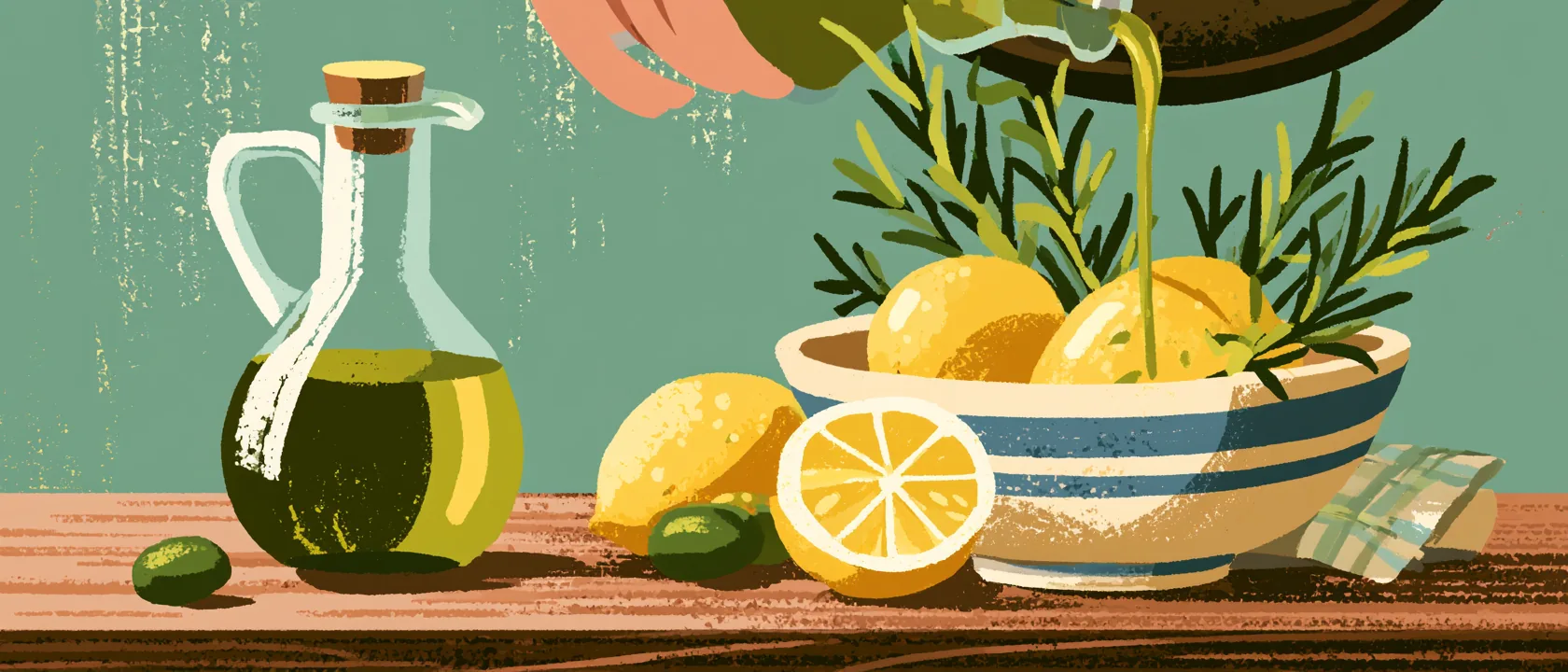
Start by adding extra-virgin olive oil (EVOO), fatty fish, fiber, polyphenols, and fermented foods. Displacement works better than deprivation for long-term adherence and inflammatory profile improvement1711.
- 5
EPA ≥2.7 g/day for anti-inflammatory effect, fiber ≥30 g/day, EVOO 2–4 tbsp/day. Below-threshold dosing produces no measurable benefit, and most people are underdosed1819.
- 6
DII and biomarker changes require approximately 4 months of consistent adherence. Track hs-C-reactive protein (CRP) as your objective inflammatory biomarker2021.
- 7
Most anti-inflammatory diet evidence is observational. The biological mechanisms are plausible and the associations are consistent, but honest implementation acknowledges this evidence hierarchy2223.
Front-Load Anti-Inflammatory FatsDaily
The Omega-3 Threshold Check5 min
The Ultra-Processed Food AuditImmediate
The Anti-Inflammatory Diet Framework
Copy link to this sectionPart I · The science of dietary inflammation: what it measures, why it matters
The anti-inflammatory diet is not a single prescriptive meal plan. It is a classification system that scores foods and dietary patterns by their measured effect on inflammatory biomarkers: C-reactive protein (CRP), interleukin-6 (IL-6), tumour necrosis factor alpha (TNF-α), and others. At its foundation sits the Dietary Inflammatory Index (DII), a literature-derived scoring system built from 1,943 research articles that quantifies the inflammatory potential of 45 food parameters2.
The associations are consistent across populations. A meta-analysis of nine observational studies (N=19,379) found that higher DII scores are associated with a 46% increased risk of cognitive impairment (OR 1.46, 95% CI 1.26–1.69)13. This finding was replicated in a second meta-analysis across nine prospective cohorts (N=266,169), which reported a relative risk of 1.34 (95% CI 1.15–1.55)24. Critically, this is observational evidence (correlation, not confirmed causation), but the consistency across populations and study designs meets several Bradford Hill criteria for plausibility1324.
The Dietary Inflammatory Index
Copy link to this sectionThe DII assigns inflammatory effect scores to 45 dietary parameters based on peer-reviewed evidence. Each food component is scored from maximally anti-inflammatory (−1) to maximally pro-inflammatory (+1), then weighted by frequency of consumption2. The resulting composite score predicts inflammatory biomarker levels and, increasingly, clinical outcomes.
Nitin Shivappa and colleagues at the University of South Carolina developed and validated the DII across multiple populations and continents225. The index has since been applied in over 500 published studies, making it the most validated tool for quantifying dietary inflammation.
Key anti-inflammatory parameters include omega-3 fatty acids, fiber, polyphenols (flavonoids, anthocyanidins), vitamins A, C, D, and E, and specific minerals including magnesium and zinc. Key pro-inflammatory parameters include saturated fat, trans fat, refined carbohydrates, and excessive omega-6 fatty acids219.
Mediterranean and MIND Diet Patterns
Copy link to this sectionThe Mediterranean diet (rich in olive oil, fatty fish, vegetables, legumes, nuts, and whole grains) is the most studied anti-inflammatory dietary pattern. A systematic review and meta-analysis of RCTs confirmed that Mediterranean diet adherence significantly reduces five inflammatory biomarkers: IL-6, IL-1β, CRP, IL-8, and TNF-α26.
In a landmark RCT, the PREDIMED trial (N=7,447; corrected 2018 publication) demonstrated that Mediterranean diet supplemented with extra-virgin olive oil reduced cardiovascular events by approximately 30% compared to a low-fat control diet17. A sub-study (PREDIMED-NAVARRA) found that Mediterranean diet with EVOO was associated with significantly lower odds of mild cognitive impairment: OR 0.34 versus control27.
The MIND diet (Mediterranean-DASH Intervention for Neurodegenerative Delay) combines elements of Mediterranean and DASH diets with emphasis on brain-specific foods. Observational data from Morris et al. (2015) suggested up to 53% lower Alzheimer's risk with highest adherence28. However, the 2023 MIND diet RCT (N=604, 3-year follow-up, published in NEJM) found no significant cognitive benefit versus mild caloric restriction in cognitively healthy older adults with family history of dementia29. This discrepancy between observational and experimental evidence is a critical nuance: observational benefits may partly reflect confounding by other health behaviours.
The Inflammatory Cascade
Copy link to this sectionDietary inflammation operates through a specific molecular cascade. Pro-inflammatory foods, particularly those high in refined sugar, trans fats, and advanced glycation end-products, activate toll-like receptors (TLRs) on immune cells5. This triggers the NF-κB signaling pathway, the master transcription factor for inflammatory gene expression5. NF-κB upregulates production of pro-inflammatory cytokines (IL-6, TNF-α, IL-1β), creating a self-reinforcing inflammatory cycle6.
Conversely, anti-inflammatory foods interrupt this cascade. Omega-3 fatty acids competitively displace arachidonic acid from cell membranes, reducing pro-inflammatory eicosanoid production18. Polyphenols directly modulate NF-κB, suppressing inflammatory gene transcription while upregulating antioxidant defense genes30. Dietary fiber feeds gut bacteria that produce short-chain fatty acids (SCFAs): butyrate, acetate, and propionate, which have systemic anti-inflammatory effects3132.
An umbrella meta-analysis confirmed that omega-3 supplementation produces significant reductions in CRP, IL-6, and TNF-α across multiple study populations1833. This mechanistic evidence provides biological plausibility for the observational associations between anti-inflammatory diets and reduced disease risk.
Ultra-Processed Foods: The Inflammatory Accelerant
Copy link to this sectionThe role of ultra-processed foods (UPFs) deserves special attention. Chiari et al. (2023) analysed data from 10,775 participants over a median 8-year follow-up and found that ultra-processed food consumption was associated with faster rates of global cognitive decline and executive function deterioration34. Every 10% increase in ultra-processed food intake was associated with higher risk of cognitive impairment34.
Ultra-processed foods drive inflammation through multiple pathways: advanced glycation end-products from high-temperature processing, emulsifiers that disrupt gut barrier integrity, excess refined sugar that activates NF-κB, and displacement of anti-inflammatory whole foods from the diet35.
The evidence is now sufficient to say that dietary patterns, not single nutrients, are the meaningful unit of analysis for understanding diet-disease relationships. — Jacobs et al. (2009), American Journal of Clinical Nutrition11
The anti-inflammatory diet framework focuses on the net inflammatory impact of the entire dietary pattern, measured through validated tools like the DII, and steers that pattern toward the anti-inflammatory end of the spectrum. The evidence base, 32 meta-analyses and growing, consistently associates this shift with reduced cognitive decline, lower cardiovascular risk, and improved inflammatory biomarker profiles.
Anti-Inflammatory Diet Protocols and Practical Application
Copy link to this sectionPart II · Translating the evidence into actionable daily protocols

Understanding that dietary inflammation is associated with cognitive decline is necessary but insufficient. The practical question is: what do you actually eat? This section translates the evidence into protocols you can implement this week, with specific foods, doses, and timing based on RCT and meta-analytic evidence. The anti-inflammatory diet is not a restrictive elimination protocol. It is an addition-first strategy that prioritises high-impact anti-inflammatory foods while progressively reducing pro-inflammatory inputs.
The Anti-Inflammatory Food Architecture
Copy link to this sectionThe evidence supports a tiered approach to anti-inflammatory eating, organised by strength of evidence and magnitude of effect.
Tier 1: Strong Evidence (Meta-analyses of RCTs):
- Extra-virgin olive oil (EVOO): 2–4 tablespoons daily. The PREDIMED trial demonstrated cardiovascular and cognitive benefits at this dose17. Oleocanthal in EVOO inhibits COX enzymes similarly to ibuprofen17.
- Omega-3 fatty acids: ≥2 g combined EPA+DHA daily from fatty fish (salmon, mackerel, sardines) or supplementation. Calder (2017) established EPA's anti-inflammatory mechanism through competitive displacement of arachidonic acid18. Note: EPA at doses ≥2.7 g/day shows significant anti-inflammatory effects; lower doses (1.35 g/day) may be insufficient19.
- Dietary fiber: ≥30 g/day from whole grains, legumes, vegetables, fruits. Fiber drives SCFA production via gut microbiome fermentation3531.
Tier 2: Moderate Evidence (Individual RCTs and Systematic Reviews):
- Curcumin (from turmeric): 180 mg/day of bioavailable curcumin for ≥18 months improved visual memory and attention in an RCT, with reduced amygdala and hypothalamic tau and amyloid deposition on FDDNP-PET scans36. Bioavailability requires piperine (black pepper) co-administration.
- Green tea catechins: Daily green tea consumption (2–3 cups) improved working memory performance in a placebo-controlled RCT37.
- Probiotics and prebiotics: A 2025 meta-analysis of RCTs found that probiotics and prebiotics significantly improve depression and anxiety outcomes35.
Tier 3: Emerging Evidence (Observational and Mechanistic):
- Polyphenol-rich foods: Berries (blueberries, blackberries, strawberries), dark chocolate (≥70% cacao), and colourful vegetables. Polyphenols modulate NF-κB, increase hippocampal BDNF, and activate SIRT1 signaling30.
- Fermented foods: Yoghurt, kefir, kimchi, sauerkraut, miso. Support gut microbiome diversity and gut-brain axis signaling6.
The SMILES Protocol: What Dietary Intervention Looks Like
Copy link to this sectionThe SMILES trial (Jacka et al. 2017) remains a landmark in nutritional psychiatry. This single RCT (N=67) found that a modified Mediterranean diet intervention produced 32.3% remission versus 8.0% in the social support control group for major depression (NNT=4.1)38.
Important caveats: The control group received social support rather than a diet-matched sham, which likely inflates the apparent dietary effect. The Cohen's d of −1.16 is approximately three to six times larger than meta-analytic estimates for dietary effects on depression (typically d=0.20–0.40 in larger meta-analyses)3839. The result should be interpreted as directionally informative but requiring replication in larger, more rigorously controlled trials.
The SMILES protocol emphasised: whole grains (5–8 servings/day), vegetables (6/day), fruit (3/day), legumes (3–4/week), nuts (1 handful/day), fish (≥2/week), red meat (3–4/week, lean), olive oil (3 tbsp/day), and reduction of sweets, refined cereals, fried food, processed meat, and sugary drinks38.
The Anti-Inflammatory Plate
Copy link to this sectionA practical heuristic for constructing any meal:
- Half the plate: Colourful vegetables and leafy greens: provides fiber, polyphenols, vitamins A, C, E, and magnesium19
- Quarter of the plate: Quality protein: fatty fish (2–3×/week), legumes, poultry, or eggs. Red meat limited to 3–4 servings/week17
- Quarter of the plate: Complex carbohydrates: whole grains (oats, quinoa, brown rice), sweet potato, or legumes40
- Fat source: EVOO or avocado: 2–4 tbsp EVOO daily across meals17
- Seasoning: Anti-inflammatory spices: turmeric + black pepper, ginger, rosemary, garlic36
The ADIRA Protocol: Anti-Inflammatory Diet for Rheumatoid Arthritis
Copy link to this sectionThe ADIRA trial (Vadell et al. 2020), a randomised, controlled crossover RCT, tested a structured anti-inflammatory diet in patients with rheumatoid arthritis. The diet significantly reduced ESR (erythrocyte sedimentation rate, an inflammation marker) in compliant patients41. A meta-analysis of 7 RCTs (N=326) found anti-inflammatory diets reduced pain scores by −9.22 mm on the visual analogue scale (95% CI −14.15 to −4.29)41.
This evidence demonstrates that anti-inflammatory dietary patterns produce changes in objective inflammatory biomarkers, not just subjective reports.
We have enough evidence to act. The question is no longer whether diet affects inflammation, but how aggressively we should be implementing what we already know. — Felice N. Jacka, Deakin University, founding president of the International Society for Nutritional Psychiatry Research42
The anti-inflammatory diet protocol prioritises addition over restriction: add EVOO, fatty fish, fiber, polyphenols, and fermented foods before worrying about elimination. Dose matters: omega-3 below threshold doses may produce no anti-inflammatory effect. The strongest evidence supports whole dietary patterns, not isolated supplements.
Use itThe Anti-Inflammatory Plate
The Neuroscience of Dietary Inflammation
Copy link to this sectionPart III · How what you eat crosses the blood-brain barrier and reshapes your neural architecture
Research now demonstrates specific, measurable pathways through which dietary inflammation degrades cognitive function: blood-brain barrier permeability, microglial activation, and neurotransmitter disruption. The anti-inflammatory diet targets each of these pathways. This is supported by neuroimaging data, longitudinal cohort studies, and mechanistic research in both human and animal models; where the evidence comes from animal work, that context is noted explicitly.
Pathway 1: Blood-Brain Barrier Disruption
Copy link to this sectionThe blood-brain barrier (BBB) is formed by tightly connected endothelial cells that control what enters the brain from the bloodstream. Under chronic inflammatory conditions, circulating cytokines, particularly IL-1β, TNF-α, and IL-6, disrupt tight junction proteins (claudin, occludin), increasing BBB permeability743.
Wilson et al. (2021) demonstrated that systemic inflammation directly increases BBB permeability, allowing peripheral immune cells and inflammatory molecules to infiltrate brain tissue7. This is not a theoretical concern: in the Framingham Heart Study Offspring cohort (N=2,165), higher DII scores were associated with worse global brain MRI measures, including increased white matter hyperintensity volume, a marker of small vessel disease and barrier compromise15.
Diet modifies circulating cytokine levels that regulate BBB integrity. Almutairi et al. (2022) confirmed that dietary composition, microbiome health, and inflammatory cytokine levels collectively regulate the tight junction proteins that maintain barrier function43. An anti-inflammatory diet reduces circulating IL-6 and TNF-α, thereby preserving BBB integrity.
Pathway 2: Microglial Activation and Synaptic Degradation
Copy link to this sectionOnce inflammatory signals breach the BBB, the brain's resident immune cells, microglia, respond. Ransohoff (2016) distinguished between beneficial acute neuroinflammation (where microglia clear debris and support repair) and damaging chronic neuroinflammation (where microglia shift to a neurotoxic phenotype and actively prune healthy synapses)8.
Guo et al. (2023) provided a comprehensive review of how chronic microglial activation contributes to neurodegeneration through sustained cytokine release, oxidative stress, and synaptic damage44. The hippocampus, prefrontal cortex, and amygdala are particularly vulnerable to neuroinflammatory damage, losing connectivity and volume under sustained inflammatory conditions16.
Slyepchenko et al. (2024) detailed how neuroinflammation disrupts synaptic plasticity, impairs neurogenesis, and destabilises neurotransmitter systems in these three critical brain regions16. The practical implication: dietary inflammation doesn't just make you feel foggy. It physically degrades the neural infrastructure required for working memory, decision-making, and emotional regulation.
Pathway 3: The Gut-Brain Axis
Copy link to this sectionThe gut-brain axis represents a bidirectional communication system between the gastrointestinal microbiome and the central nervous system. Cryan & Dinan (2012) established in their landmark Nature Reviews Neuroscience paper that gut microorganisms directly influence brain function and behaviour through neural (vagus nerve), immune, and endocrine pathways6.
Diet is the primary modulator of gut microbiome composition4546. Pro-inflammatory diets (high in refined sugar, processed foods, low in fiber) promote gut dysbiosis, an imbalanced microbial community that increases intestinal permeability ("leaky gut"), allowing bacterial endotoxins (lipopolysaccharide, LPS) to enter systemic circulation46. The Northern Manhattan Study found that gut permeability markers (LPS, sCD14) were associated with cognitive decline47.
Conversely, anti-inflammatory dietary components, particularly fiber, polyphenols, and fermented foods, promote beneficial bacterial species that produce short-chain fatty acids (SCFAs). Butyrate, the most studied SCFA, crosses the blood-brain barrier and acts as a histone deacetylase inhibitor, producing anti-inflammatory and neuroprotective epigenetic effects31. Animal research suggests that soluble fiber elevates serum SCFAs and hippocampal BDNF in rodent models (Sindi et al. 2022, mouse study), though human translational evidence for this specific pathway remains indirect48.
Palumbo et al. (2020) reviewed how SCFAs modulate microglial activity and promote anti-inflammatory gene expression in the brain32. Forsythe et al. (2020) detailed the vagal pathways through which gut microbiome signals reach the brain: the vagus nerve provides a direct physical connection between gut bacterial metabolites and central nervous system function49.
Pathway 4: BDNF and Neuroplasticity
Copy link to this sectionBrain-derived neurotrophic factor (BDNF) is essential for neuroplasticity, long-term memory formation, and hippocampal neurogenesis. Gómez-Pinilla (2008), in a seminal Nature Reviews Neuroscience paper, established that dietary composition directly regulates BDNF expression9.
Animal research indicates that high-fat, high-sugar diets reduce hippocampal BDNF and impair synaptic plasticity in rodents (Molteni et al. 2002, rat model)10. These findings provide a mechanistic hypothesis but should not be taken as established human neuroscience; direct evidence in humans remains observational. In contrast, anti-inflammatory dietary components, particularly polyphenols, omega-3 fatty acids, and fiber-derived SCFAs, are associated with higher BDNF levels in parallel human observational data309. Dietary polyphenols modulate NF-κB, increase BDNF transcription, and activate SIRT1 signaling in hippocampal neurons30.
Cherian et al. (2024) provided longitudinal evidence that chronic inflammation is independently associated with worsening working memory performance in a diverse cohort of adolescents and young adults. This shows that the cognitive consequences of inflammation begin early, not just in aging populations4.
Pathway 5: Neurotransmitter Disruption
Copy link to this sectionPeripheral inflammation disrupts the synthesis and signaling of key neurotransmitters. Liu et al. (2017) demonstrated that circulating IL-6, CRP, and TNF-α from systemic inflammation cross the BBB and impair dopamine, serotonin, and glutamate neurotransmission50. The gut microbiome also modulates neurotransmitter precursor availability: gut bacteria influence tryptophan metabolism, which is the rate-limiting precursor for serotonin synthesis6.
Research consistently shows that heart rate variability (HRV), a biomarker of autonomic nervous system function, is negatively correlated with inflammatory markers. A meta-analysis of human studies found that SDNN and HF-HRV showed the strongest inverse associations with inflammation51. This suggests that dietary inflammation affects the entire autonomic regulatory system, not only brain chemistry.
Brain foods: the effects of nutrients on brain function are far more extensive than previously thought, rivaling those of pharmaceutical compounds. — Fernando Gómez-Pinilla (2008), Nature Reviews Neuroscience9
Dietary inflammation is associated with brain harm through at least five interconnected pathways: BBB disruption, microglial neurotoxicity, gut-brain axis dysregulation, BDNF suppression, and neurotransmitter interference. The anti-inflammatory diet addresses all five through a coordinated shift in the body's entire inflammatory profile. Evidence from neuroimaging (Framingham MRI data), longitudinal cohorts, and mechanistic studies (human and animal) points in the same direction, with animal models providing plausible mechanism where human RCT evidence is limited.
Building the Anti-Inflammatory Diet Into Your Life
Copy link to this sectionPart IV · Habit design, tracking protocols, and dose-response evidence for sustainable implementation
Knowing what to eat differs from consistently eating it. The implementation gap, the distance between nutritional knowledge and daily behaviour, is where most anti-inflammatory diet efforts fail. Ahlström et al. (2024) documented this gap precisely: initial diet compliance starts at 87.5% but drops to 43% at one-year follow-up52. The implementation system that follows is designed to close this gap through habit architecture, objective tracking, and realistic dose-response targets.
The 4-Month Inflection Point
Copy link to this sectionHow long does the anti-inflammatory diet take to produce changes? The evidence suggests a consistent pattern. Shivappa et al. (2019) found that a 12-month inflammation management intervention with dietitian support significantly reduced DII scores and inflammatory markers, though the most significant dietary shifts occurred within the first four months20. The MedLey Study similarly showed that DII dietary intervention for four months produced significant shifts toward anti-inflammatory eating patterns20.
For cognitive effects, the timeline is longer. The omega-3 evidence suggests DHA supplementation >900 mg/day for ≥5 months is required for significant cognitive benefit in elderly populations53. The SMILES trial showed mood improvements by 12 weeks38. Acute biomarker changes (CRP, IL-6) can appear within weeks of dietary change, but structural brain changes and cognitive improvements require months to years of sustained anti-inflammatory eating1554.
Implementation Protocol: The 3-Phase System
Copy link to this sectionPhase 1: Foundation (Weeks 1–4): Addition First The most common implementation error is starting with elimination. The evidence supports starting with addition11.
Week 1–2: Add the three highest-impact anti-inflammatory foods daily: 1. EVOO (2 tbsp minimum)17 2. One serving of fatty fish or omega-3 source18 3. Five or more servings of colourful vegetables19
Week 3–4: Add the secondary tier: 4. One serving of fermented food daily35 5. ≥2 cups of green tea37 6. Anti-inflammatory spices with every cooked meal36
Phase 2: Reduction (Weeks 5–8): Systematic Displacement Once anti-inflammatory additions are habitual, begin displacing pro-inflammatory foods: 1. Replace ultra-processed snacks with nuts, seeds, or dark chocolate 2. Switch refined grains to whole grains (oats, quinoa, brown rice) 3. Replace sugary beverages with water, herbal tea, or sparkling water 4. Limit processed meat to ≤2 servings/week3
Phase 3: Optimisation (Weeks 9–16): Fine-Tuning and Tracking 1. Calculate your estimated DII score using dietary recall2 2. Get baseline hs-CRP blood test (the most practical tracking biomarker for low-grade inflammation)21 3. Track sleep quality: decreased dietary inflammatory potential predicts improved sleep efficiency and decreased wakefulness after sleep onset55 4. Retest hs-CRP at 4 months21
Tracking and Measurement
Copy link to this sectionHigh-sensitivity C-reactive protein (hs-CRP) is the most practical biomarker for tracking anti-inflammatory diet effectiveness. Moreno-Aguilar et al. (2022) identified hs-CRP as the preferred marker for low-grade inflammation: it's widely available, inexpensive, and responsive to dietary change21.
Additional tracking metrics include:
- DII score via food frequency questionnaire2
- Sleep quality (changes in dietary inflammatory potential predict sleep outcomes)5556
- Mood and cognitive self-assessment (the SMILES trial used validated depression and anxiety scales; mood improvements serve as practical proxies)38
- HRV (autonomic function, inversely correlated with inflammation)51
Dose-Response Thresholds
Copy link to this sectionThe anti-inflammatory diet has specific dose-response relationships that matter:
Overcoming Adherence Barriers
Copy link to this sectionImai et al. (2021) identified the key behavioural factors supporting long-term anti-inflammatory diet adherence: self-efficacy, family support, reduced disinhibition, and strategic "flexibility days"57. Anderson et al. (2019) found that personalised approaches with multidisciplinary team support produce greater adherence than generic dietary advice58.
The habit formation literature is clear: Lally et al. (2010) demonstrated that the median time to habit automaticity is 66 days (range: 18–254 days), not the popular myth of "21 days"59. Building anti-inflammatory eating into habitual patterns requires consistent repetition in stable contexts for at least two months.
The importance of healthy dietary patterns in chronic disease prevention cannot be overstated, but pattern adherence, not knowledge, is the rate-limiting step. — Neuhouser (2018), Nutrition Research40
Implementation is the bottleneck. The 4-month mark is where dietary inflammatory profiles shift in a way that biomarker testing can detect. Start with addition (EVOO, fish, vegetables) before elimination. Track hs-CRP as your objective biomarker. Design your environment to make anti-inflammatory choices the default, and expect habit formation to take 8–10 weeks of consistent practice.
Use itThe 3-Phase System
Anti-Inflammatory Diet Across Performance Domains
Copy link to this sectionPart V · How anti-inflammatory nutrition applies to work, sport, education, relationships, and mental health
Workplace Cognitive Performance
Copy link to this sectionThe workplace is where anti-inflammatory nutrition pays the most immediate dividends. Firth et al. (2019) conducted a systematic review finding that dietary interventions in workplace settings increase work efficiency, lower absenteeism, and reduce presenteeism1. Hakim et al. (2020) confirmed that workplace nutrition programmes improve dietary quality, health outcomes, and productivity markers60.
Dye et al. (2017) reviewed nutritional approaches to modulating cognitive aging specifically in workplace contexts, identifying omega-3s, B vitamins (B6, B12, folate), and anti-inflammatory dietary patterns as the strongest evidence-based interventions for sustained professional cognitive performance61. Kelaiditi et al. (2021) found that pro-inflammatory diet at midlife predicted lower cognitive functioning 13 years later in the SU.VI.MAX prospective study (N=3,083), demonstrating that workplace dietary choices compound over careers62.
Higher DII scores are associated with increased incidence of brain disorders across multiple categories, as demonstrated in a large prospective cohort study (Translational Psychiatry 2025). This makes the anti-inflammatory diet a long-term career consideration, not just a daily performance adjustment63.
Athletic Performance and Recovery
Copy link to this sectionFor athletes, inflammation is a double-edged sword. Acute exercise-induced inflammation is necessary for adaptation; chronic dietary inflammation impairs recovery and accelerates overtraining. Forsythe et al. (2020) found that tart cherry and omega-3 fatty acids are supported by the most substantial evidence for managing exercise-induced inflammation64. Nieman et al. (2019) confirmed that omega-3, tart cherry, curcumin, and vitamin C reduce muscle damage biomarkers and delayed-onset muscle soreness65.
Dias et al. (2024) reviewed the role of gut microbiome modulation through diet as central to managing chronic exercise-induced inflammation in elite athletes4. The practical implication: athletes who manage their dietary inflammatory profile through whole-food anti-inflammatory eating can optimise the balance between training stress and recovery capacity.
Education and Academic Performance
Copy link to this sectionThe anti-inflammatory diet's cognitive effects extend to academic contexts. Borge et al. (2018) found that children in the highest DII quartile had significantly lower academic scores than those in the lowest quartile (N=524)66. Coll et al. (2022) conducted a systematic review and meta-analysis finding that Mediterranean diet adherence is significantly associated with higher academic performance in children and adolescents59.
Jacka et al. (2015) demonstrated that diet quality predicts mental health outcomes in adolescents, with anti-inflammatory dietary patterns being protective67. These findings suggest that anti-inflammatory eating is a legitimate educational performance consideration, relevant for students, parents, and educational institutions.
Mental Health and Depression
Copy link to this sectionThe relationship between dietary inflammation and mental health is among the better-established connections in nutritional psychiatry. Lassale et al. (2019) conducted a meta-analysis across healthy dietary indices showing that higher diet quality is consistently associated with lower depression risk68. A meta-analysis specific to anti-inflammatory diets found them associated with reduced incidence of depression and anxiety3969.
Kris-Etherton et al. (2020) reviewed the broader relationship between nutrition and behavioural health disorders, concluding that anti-inflammatory dietary patterns represent a promising adjunctive intervention for depression and anxiety70. Firth et al. (2020) confirmed in a BMJ review that diet and nutrition affect mental wellbeing, with anti-inflammatory patterns showing the most consistent associations71.
Psaltopoulou et al. (2013) found in a meta-analysis that Mediterranean diet is simultaneously associated with reduced risk of stroke, cognitive impairment, and depression. This suggests shared inflammatory mechanisms across neurological and psychiatric conditions72.
Cardiovascular Risk
Copy link to this sectionThe cardiovascular evidence for anti-inflammatory diets is robust. Ramallal et al. (2020) conducted a meta-analysis of 15 cohort studies finding that pro-inflammatory diets are associated with a 41% increased incidence of cardiovascular disease (HR 1.41)73. Shivappa et al. (2022) reported that the most pro-inflammatory diet quintile was associated with 30% higher cardiovascular mortality (HR 1.30) in the PLCO cohort74.
Ridker et al. (2017) demonstrated in the CANTOS trial that anti-inflammatory therapy (canakinumab, targeting IL-1β) reduced major cardiovascular events independently of lipid lowering. This provides pharmacological proof that reducing inflammation, by any means, reduces cardiovascular risk75. This strengthens the rationale for dietary anti-inflammatory approaches.
Anti-inflammatory nutrition is not a single-domain intervention. It is associated with improved workplace cognitive performance, athletic recovery, academic outcomes, mental health, and cardiovascular risk. The shared mechanism, reduced chronic systemic inflammation, explains why a single dietary pattern can produce associations across such diverse performance domains.
Common Errors and Failure Modes
Copy link to this sectionPart VI · Where people go wrong: the mistakes that undermine anti-inflammatory eating
Error 1: Single-Nutrient Reductionism
Copy link to this sectionThe most pervasive error is dietary reductionism: fixating on individual "superfoods" or supplements while ignoring the overall dietary pattern. Jacobs et al. (2019) demonstrated that food synergy effects exceed the sum of individual nutrient effects; focusing on curcumin supplements while maintaining a pro-inflammatory base diet misses the point entirely12. Scrinis (2013) critiqued this as "nutritionism": the ideology that reduces food to its nutrient components, creating a market for supplements and functional foods while neglecting the more powerful effects of whole dietary patterns76.
Error 2: Confusing Correlation With Causation
Copy link to this sectionMost anti-inflammatory diet evidence comes from observational studies. Satija & Hu (2018) identified major confounders in diet-disease research, including the "healthy user bias": people who eat anti-inflammatory diets also tend to exercise more, sleep better, and have higher socioeconomic status22. Ioannidis (2013) argued that many nutritional epidemiology claims remain unconfirmed in RCTs23. Lichtenstein (2014) emphasised that observational data cannot establish causality for dietary effects77.
The practical implication: the anti-inflammatory diet is strongly associated with better outcomes, and the biological mechanisms are plausible, but claiming it "causes" cognitive protection overstates the current evidence level for most specific claims.
Error 3: Ignoring Individual Variability
Copy link to this sectionNot everyone responds identically to anti-inflammatory dietary interventions. Elia et al. (2019) found that patients with already-elevated inflammation may respond differently than the general population to nutritional interventions: some high-inflammation individuals showed no response to dietary changes78. This partially explains contradictory trial results and points to the need for personalised approaches.
Error 4: Insufficient Dose and Duration
Copy link to this sectionMany people try anti-inflammatory eating for 2–3 weeks, notice no dramatic change, and abandon the approach. The dose-response evidence is clear: omega-3 requires ≥2.7 g/day EPA for significant anti-inflammatory effect (1.35 g/day is insufficient)19. Curcumin requires 18 months at adequate doses for cognitive effects36. Biomarker changes typically require 4+ months of consistent dietary change20.
Error 5: Ultra-Processed "Health" Foods
Copy link to this sectionMany foods marketed as "anti-inflammatory" or "healthy" are ultra-processed. Monteiro et al. (2019) defined ultra-processed foods as industrial formulations with five or more ingredients, typically including substances not found in domestic kitchens3. Ultra-processed plant-based foods, protein bars, and "superfood" smoothie mixes may carry pro-inflammatory properties despite healthy marketing. The Chiari et al. (2023) finding that UPF consumption accelerates cognitive decline applies regardless of the health claims on the label34.
Error 6: Measurement Error and Recall Bias
Copy link to this sectionSelf-reported dietary intake, the basis of most nutritional epidemiology, is notoriously unreliable. Raatz et al. (2017) documented how food frequency questionnaire measurement error and recall bias systematically distort diet-disease associations79. People overestimate vegetable and fruit intake and underestimate processed food consumption. Using objective tracking (food diaries, DII scoring tools, biomarker testing) is essential for accurate implementation.
Error 7: Neglecting Drug-Nutrient Interactions
Copy link to this sectionAnti-inflammatory diet components can interact with medications. Green tea, ginger, garlic, vitamin K-rich foods, and omega-3 fatty acids all interact with warfarin and other anticoagulants80. High-dose omega-3 can increase bleeding time. Anyone on medication should consult their physician before dramatically changing dietary patterns80.
Error 8: The Restrictive Overcorrection
Copy link to this sectionSome people interpret "anti-inflammatory" as "elimination diet" and remove entire food groups unnecessarily: all dairy, all grains, all legumes. This approach lacks evidence support and risks creating nutrient deficiencies. Trepanowski & Bloomer (2010) documented that restrictive dietary protocols without adequate nutrition can paradoxically increase inflammation through stress and undernutrition81. The evidence base supports Mediterranean-style addition, not blanket elimination.
The problem with single-nutrient thinking is that it misses food synergy: the interaction between nutrients in whole foods produces effects that isolated supplements cannot replicate. — Jacobs et al. (2019), British Journal of Nutrition12
The eight most common errors share a theme: they treat the anti-inflammatory diet as simpler than it is. Dietary reductionism, insufficient dosing, ignoring measurement bias, and overcorrecting through elimination all undermine what should be a sustainable, evidence-informed dietary pattern. The antidote is whole-pattern thinking, realistic timelines, objective measurement, and medical supervision for those on medication.
Myths vs Evidence
Copy link to this section"You need expensive supplements to eat anti-inflammatory"
Research consistently shows that whole dietary patterns (Mediterranean, MIND) outperform single-nutrient supplementation. Food synergy, the interaction between nutrients in whole foods, produces effects that isolated supplements cannot replicate11. Jacobs et al. (2009) demonstrated that food synergy effects exceed the sum of individual nutrient effects; single-supplement approaches show smaller effects than whole dietary pattern changes11.
"Anti-inflammatory diets are just another fad"
The Dietary Inflammatory Index alone was developed from 1,943 research articles and validated across multiple populations. The PREDIMED trial (N=7,447) is one of the largest nutrition RCTs ever conducted217. Pellegrini & Visioli (2023) umbrella review synthesised 30 systematic reviews covering 225 studies. Anti-inflammatory dietary patterns consistently reduce biomarkers and disease risk82.
"Inflammation is only a problem if you're overweight"
34.63% of US adults have systemic inflammation regardless of BMI, driven by dietary patterns, stress, sleep quality, and environmental factors5. Inflammation is a metabolic state, not a body composition indicator. Bhatt et al. (2024) NHANES analysis (2015–2020) found systemic inflammation prevalent across BMI categories, with dietary inflammatory index a stronger predictor than weight alone.
"All fat is inflammatory: you should avoid dietary fat"
Omega-3 fatty acids (EPA, DHA) are among the most potent anti-inflammatory compounds in nutrition. An umbrella meta-analysis confirmed significant reductions in CRP, IL-6, and TNF-α with omega-3 supplementation1833. Calder (2017) demonstrated that EPA competitively displaces arachidonic acid, reducing pro-inflammatory eicosanoid production through a well-characterized biochemical pathway18.
"You can just take turmeric pills and ignore the rest of your diet"
Dietary reductionism, focusing on individual "superfoods" or supplements, misses the synergistic effects of whole dietary patterns. The evidence base for anti-inflammatory benefits comes from dietary patterns, not isolated nutrients12. Scrinis (2013) and Jacobs et al. (2019) both critique single-nutrient thinking; systematic reviews consistently show whole dietary pattern effects exceed supplementation effects1211.
"The MIND diet is proven to prevent Alzheimer's disease"
While observational studies suggest up to 53% lower AD risk with MIND diet adherence (Morris 2015), the 2023 MIND diet RCT (N=604, 3-year follow-up) found no significant cognitive benefit versus mild caloric restriction in cognitively healthy older adults2829. Morris et al. (2023) NEJM trial enrolled adults with family history of dementia; no cognitive improvement over control, suggesting observational benefits may reflect confounding29.
"Omega-3 supplements reliably improve cognition"
Of 78 RCTs reviewed, 43.6% reported positive cognitive outcomes with omega-3. This means the majority (56.4%) showed null results. Positive effects concentrate in specific populations: DHA >900 mg/day, taken for ≥5 months, in elderly with mild cognitive impairment53. Stonehouse et al. (2022) systematic review found dose, duration, and population determine omega-3 cognitive effects: generic supplementation in healthy adults shows minimal benefit53.
"Anti-inflammatory eating requires eliminating entire food groups"
The strongest evidence supports adding anti-inflammatory foods (fatty fish, olive oil, vegetables, berries, nuts) rather than extreme elimination. Mediterranean diet adherence improves health-related quality of life without restriction83. Bonaccio et al. (2017) found Mediterranean diet adherence associated with better health-related quality of life, mediated by antioxidant content, without requiring food group elimination83.
"If I feel fine, inflammation isn't affecting my brain"
Higher DII scores are associated with worse brain MRI measures in the Framingham Heart Study Offspring cohort, including accelerated brain aging, even in participants without cognitive symptoms15. Xu et al. (2022) found dietary inflammatory index positively correlated with white matter hyperintensity volume and other brain aging markers (N=2,165), often decades before clinical symptoms appear15.
"Vegan diets are automatically anti-inflammatory"
Exclusively plant-based diets without careful planning risk deficiencies in B12, vitamin D3, omega-3 DHA, iodine, and iron, some of which are themselves anti-inflammatory. Being vegan and eating ultra-processed vegan food is still pro-inflammatory84. Weikert et al. (2020) documented that vegan diets require targeted supplementation; deficiencies in B12 and omega-3 DHA can paradoxically increase inflammatory markers84.
Limitations & Open Questions
Copy link to this sectionEliminating food groups in pursuit of an "anti-inflammatory" ideal can create deficiencies in B12, vitamin D3, omega-3 DHA, iodine, iron, and calcium, some of which are themselves anti-inflammatory. Weikert et al. (2020)84. Follow Mediterranean-pattern addition-first approach; supplement B12, D3, and omega-3 DHA if following plant-exclusive patterns; annual blood panel84.
Anti-inflammatory foods (green tea, ginger, garlic, vitamin K-rich greens, omega-3) interact with warfarin and anticoagulant medications, potentially altering INR and bleeding risk. Warfarin-food interaction systematic review (2020)80. Consult physician before significant dietary changes; maintain consistent vitamin K intake rather than eliminating it; monitor INR when increasing omega-380.
Hyperfocus on "inflammatory" versus "anti-inflammatory" food classification can trigger obsessive eating patterns, social anxiety around food, and disordered eating behaviours. Clinical observation; Imai et al. (2021) emphasise flexibility in adherence protocols57. Frame as a spectrum (more anti-inflammatory vs. less), not a binary; allow flexibility days; seek professional support if dietary rules cause distress57.
Most anti-inflammatory diet-cognition evidence is observational. Healthy user bias, residual confounding, and recall bias mean the true causal effect may be smaller than reported. Satija & Hu (2018), Ioannidis (2013)2223. Acknowledge evidence hierarchy honestly; combine dietary changes with other evidence-based health behaviours; don't treat dietary change as a substitute for medical care2223.
The single most important risk is mistaking association for causation and abandoning medical treatment in favour of dietary intervention alone. The anti-inflammatory diet is a powerful complement to evidence-based medical care, not a replacement for it. The CANTOS trial75 proved that reducing inflammation improves cardiovascular outcomes, but that was a pharmaceutical intervention monitored by clinicians. Dietary self-experimentation without medical oversight is appropriate for generally healthy individuals seeking optimisation, not for those with active inflammatory conditions.
Frequently Asked
Copy link to this section- How long does it take to see results from an anti-inflammatory diet?
- Most people notice subjective improvements in energy and mood within 4–6 weeks, but biomarker changes require 3–4 months of consistent adherence. The MedLey Study showed significant dietary inflammatory index shifts after 4 months of intervention20. Shivappa et al. (2019) found that a 12-month inflammation management programme produced meaningful DII and biomarker changes, with the steepest improvements occurring in the first 4 months20. The SMILES trial showed mood improvements by 12 weeks38. For cognitive benefits, omega-3 research suggests ≥5 months of supplementation at adequate doses (DHA >900 mg/day) for detectable cognitive improvement in older adults53. A 45-year-old executive tracks hs-CRP quarterly: baseline 3.2 mg/L drops to 1.4 mg/L after 4 months of Mediterranean-pattern eating, a clinically meaningful reduction in systemic inflammation.
- What does the latest research say about anti-inflammatory diets and brain health?
- A convergence of meta-analyses, neuroimaging studies, and large prospective cohorts now links dietary inflammation to accelerated brain aging, cognitive decline, and increased dementia risk. Qin et al. (2023) meta-analysis found a 46% increased risk of cognitive impairment associated with pro-inflammatory diets (OR 1.46, N=19,379)13. Pistollato et al. (2023) linked higher DII to increased dementia incidence (HR 1.21)14. The Framingham Heart Study Offspring analysis (N=2,165) showed higher DII scores associated with worse brain MRI aging markers15. Assogna et al. (2024) in Nature Mental Health found healthier dietary patterns associated with larger brain volumes and better connectivity54. A 2025 Translational Psychiatry cohort study confirmed DII's association with increased brain disorder incidence63. The Framingham MRI study showed that participants with the most pro-inflammatory diets had more white matter hyperintensities (a marker of brain aging) than those with anti-inflammatory dietary patterns, even after controlling for age, BMI, and cardiovascular risk factors.
- What are the most common misconceptions about anti-inflammatory diets?
- The three biggest misconceptions are that anti-inflammatory eating requires supplements, that it's a fad without evidence, and that single "superfoods" can counteract an otherwise pro-inflammatory diet. Jacobs et al. (2019) established that food synergy effects exceed single nutrient effects12. Scrinis (2013) critiqued the "nutritionism" ideology that reduces food to supplement-level thinking76. The MIND diet controversy illustrates another misconception: observational data suggested 53% AD risk reduction, but the 2023 NEJM RCT found no significant cognitive benefit in healthy adults2829. This shows that even well-known dietary patterns can be oversimplified. A software engineer spends £200/month on curcumin, omega-3, and ashwagandha supplements while eating ultra-processed meals daily, addressing individual nutrients while maintaining a net pro-inflammatory dietary pattern.Includes an illustrative scenario, not a case report
- Is the anti-inflammatory diet backed by peer-reviewed neuroscience?
- Yes. The neuroscience evidence spans five distinct pathways: blood-brain barrier integrity, microglial activation, gut-brain axis signaling, BDNF regulation, and neurotransmitter modulation. Gómez-Pinilla (2008) established dietary regulation of brain function in Nature Reviews Neuroscience9. Wilson et al. (2021) demonstrated how systemic inflammation increases BBB permeability7. Cryan & Dinan (2012) established the gut-brain axis framework6. Slyepchenko et al. (2024) detailed neuroinflammatory damage to hippocampus, PFC, and amygdala16. The evidence includes both human neuroimaging data (Framingham MRI, N=2,165)15 and mechanistic studies, including animal models that inform plausible human mechanisms. The Framingham study used actual brain MRI scans, not self-reported symptoms, to demonstrate that dietary inflammatory index scores predict differences in brain structure.
- What is the best way to start an anti-inflammatory diet?
- Start by adding three high-impact anti-inflammatory foods daily (EVOO, fatty fish, and ≥5 servings of vegetables) before eliminating anything. The addition-first approach is supported by the PREDIMED protocol17 and clinical anti-inflammatory diet guidelines19. Ahlström et al. (2024) found that dietitian-supported consultation significantly improved self-efficacy and adherence compared to generic advice52. The key principle: displacement works better than deprivation. As anti-inflammatory foods fill your plate, pro-inflammatory options naturally decrease. Week 1: switch cooking oil to EVOO. Week 2: add tinned sardines or salmon to 3 lunches. Week 3: add a daily green smoothie with spinach, berries, and ginger. No foods eliminated, just added.
- How do I know if my anti-inflammatory diet is actually working?
- Track hs-CRP (high-sensitivity C-reactive protein), the most practical and affordable biomarker for low-grade systemic inflammation. Moreno-Aguilar et al. (2022) identified hs-CRP as the preferred marker for low-grade inflammation monitoring21. Gallagher et al. (2020) found that decreased dietary inflammatory potential predicts improved sleep efficiency55. The DII scoring system provides a dietary-level tracking tool2. Practical proxy measures include sleep quality, mood stability, energy levels, and cognitive clarity, though these are subjective and less reliable than biomarker testing. Baseline hs-CRP: 3.8 mg/L (elevated). After 4 months of Mediterranean-pattern eating: 1.2 mg/L (optimal range). Sleep tracker shows 15% improvement in sleep efficiency. DII score shifts from +2.1 to −1.3.
- What is the minimum effective dose for an anti-inflammatory diet?
- There is no single "minimum dose." The anti-inflammatory diet is a whole-pattern intervention, but specific components have established thresholds: EPA ≥2.7 g/day, fiber ≥30 g/day, and EVOO 2–4 tbsp/day. Calder (2017) and StatPearls review19 established that EPA at 1.35 g/day is insufficient for significant anti-inflammatory effect, while ≥2.7 g/day produces changes1819. The PREDIMED protocol used 2–4 tbsp EVOO daily17. Slavin (2013) and fibre evidence suggest ≥30 g/day for meaningful gut microbiome and SCFA effects35. Curcumin at 180 mg/day for 18+ months showed cognitive benefit36. The Ventriglio et al. (2022) meta-analysis suggests the full Mediterranean dietary pattern, not individual doses, produces the strongest inflammatory biomarker reductions26. An athlete takes 1 g of generic fish oil daily and wonders why inflammation markers haven't changed: they're below the 2.7 g EPA threshold by 60%.Includes an illustrative scenario, not a case report
- How do I restart an anti-inflammatory diet after falling off?
- Restart with the addition-first protocol (add one anti-inflammatory food per day for a week) and reframe the lapse as data, not failure. Ahlström et al. (2024) documented that self-efficacy restoration is the key psychological factor in dietary re-engagement52. The SMILES trial demonstrated that gradual dietary improvement is effective: participants didn't achieve perfection, they improved38. Imai et al. (2021) found that strategic "flexibility days" and reduced disinhibition support long-term adherence57. The adherence evidence is clear: initial compliance at 87.5% drops to 43% at one year. Lapses are normative, not exceptional52. After a two-week holiday of unrestricted eating, restart by adding EVOO to meals on day 1, reintroducing fish on day 3, and rebuilding the vegetable habit by day 5. Don't attempt full protocol compliance immediately.
- What happens in the brain when you eat an anti-inflammatory diet?
- Anti-inflammatory foods reduce circulating pro-inflammatory cytokines, preserve blood-brain barrier integrity, promote beneficial gut-brain signaling, and upregulate BDNF, the protein essential for neuroplasticity and memory. Wilson et al. (2021) showed that reducing systemic IL-6 and TNF-α preserves BBB tight junction integrity7. Gut-derived short-chain fatty acids (butyrate, acetate, propionate) cross the BBB and act as histone deacetylase inhibitors with direct neuroprotective effects31. Polyphenols modulate NF-κB and increase hippocampal BDNF30. Bourassa et al. (2016) described how dietary fiber → butyrate → epigenetic anti-inflammatory effects in the brain31. The net result: preserved synaptic plasticity, reduced microglial neurotoxicity, and maintained neurotransmitter function. Imagine the blood-brain barrier as a security checkpoint: chronic inflammation is like removing the guards. Anti-inflammatory eating reinstates them. This prevents inflammatory molecules from entering brain tissue and triggering the microglial cascade that degrades synaptic connections.
- How does dietary inflammation affect dopamine and motivation?
- Peripheral inflammation disrupts dopamine synthesis, signaling, and receptor sensitivity, directly impairing motivation, reward processing, and executive function. Liu et al. (2017) demonstrated that circulating IL-6, CRP, and TNF-α from systemic inflammation cross the BBB and impair dopamine signaling in the basal ganglia50. The gut microbiome modulates tryptophan and tyrosine availability, precursors for serotonin and dopamine respectively6. Chronic inflammation reduces dopaminergic tone and produces motivational deficits that manifest as apathy, difficulty initiating tasks, and reduced reward sensitivity, symptoms often attributed to burnout rather than dietary causes. A knowledge worker who "can't seem to get started" on important projects may be experiencing inflammation-driven dopaminergic impairment, which reduces the brain's capacity to generate the motivational signals needed to initiate effortful tasks.
- What are the risks and limitations of the anti-inflammatory diet?
- The main limitations are the observational nature of most evidence, individual variability in response, potential nutrient deficiencies from over-restriction, and drug-nutrient interactions. Satija & Hu (2018) highlighted that most anti-inflammatory diet-cognition evidence is observational, with residual confounding and healthy user bias as significant limitations22. Elia et al. (2019) found that individuals with already-elevated inflammation may not respond to dietary interventions78. Weikert et al. (2020) documented that strictly plant-based anti-inflammatory approaches risk B12, D3, and omega-3 deficiencies84. Warfarin and other anticoagulant interactions require medical monitoring80. A patient on warfarin dramatically increases their green leafy vegetable intake for anti-inflammatory benefits, inadvertently altering their INR through increased vitamin K intake. This requires immediate medication adjustment.
- What do critics and sceptics say about the anti-inflammatory diet?
- The strongest criticisms centre on observational evidence limitations, the MIND diet's null RCT result, and the gap between nutritional epidemiology claims and confirmed causal effects. Ioannidis (2013) argued that many nutritional epidemiology claims remain unconfirmed by RCTs23. The 2023 MIND diet trial (N=604, NEJM) found no significant cognitive benefit in cognitively healthy older adults, a direct challenge to observational estimates29. Raatz et al. (2017) documented how food frequency questionnaire measurement error systematically distorts diet-disease associations79. Lichtenstein (2014) emphasised that improved RCT design is needed before observational findings can be considered causal77. The supplement industry's funding of many omega-3 and curcumin studies is a legitimate concern: independent meta-analyses typically show smaller effect sizes than industry-funded trials23. The MIND diet story illustrates the tension: 53% Alzheimer's risk reduction in observational data, zero significant benefit in the definitive RCT. The diet may still be beneficial, but the magnitude of benefit is likely smaller than observational data suggest.
- This Week: Add EVOO (2 tbsp daily), one omega-3 source (fatty fish or quality supplement), and 5+ vegetable servings to your daily intake. Get a baseline hs-CRP blood test ordered.
- Days 1–14: Implement the anti-inflammatory plate model (half vegetables, quarter protein, quarter whole grains, EVOO dressing). Begin tracking daily plant food diversity targeting 30 unique plants/week. Start the ultra-processed food audit: identify and replace your top 3 UPF staples.
- Days 15–90: Complete the 3-phase implementation system (addition → displacement → optimisation). Retest hs-CRP at 4 months. Establish anti-inflammatory eating as your default pattern through environment design and habit formation (66-day median to automaticity).
The anti-inflammatory diet is not a trend or a supplement stack. It is the most evidence-dense nutritional framework for protecting brain function and reducing systemic inflammation over time. The evidence base is largely observational, the mechanisms are biologically plausible, and the protocols are actionable starting today. Dietary inflammatory trajectory is not fixed. It shifts with what you eat, starting with your next meal.
Read next: Start with the 3-Phase Implementation Protocol (Block 04): add EVOO, fish, and vegetables this week. Then: Check your own plate against the research with the Anti-Inflammatory Diet Self-Reflection, or explore the complete Nutrition & Supplementation pillar for evidence-based performance nutrition across all domains.
✓ Crossref: DOI confirmed against Crossref, and its record's title matches this citation. ✓ hand-checked: no DOI exists to auto-verify — a classical text, book, or institutional report whose existence and details an editor confirmed by hand against the publisher's or an archive's own record. unverified: not yet confirmed either way; not a claim that it is wrong.
- 1
Firth, J. et al. (2019). The effectiveness of workplace nutrition and physical activity interventions in improving productivity, work performance and workability: a systematic review. BMC Public Health.
↩↩ - 2
Shivappa, N. et al. (2014). Designing and developing a literature-derived, population-based dietary inflammatory index. Public Health Nutrition. 10.1017/S1368980013002115 (opens in new tab)
↩↩↩ - 3
Monteiro, C.A. et al. (2019). Ultra-processed foods: what they are and how to identify them. Public Health Nutrition. 10.1017/S1368980018003762 (opens in new tab)
↩↩↩ - 4
Cherian, L. et al. (2024). Chronic inflammation is associated with worsening working memory performance. Psychoneuroendocrinology.
↩↩↩ - 5
Furman, D. et al. (2019). Chronic inflammation in the etiology of disease across the life span. Nature Medicine. 10.1038/s41591-019-0675-0 (opens in new tab)
↩↩↩ - 6
Cryan, J.F. & Dinan, T.G. (2012). Mind-altering microorganisms: the impact of the gut microbiota on brain and behaviour. Nature Reviews Neuroscience. 10.1038/nrn3346 (opens in new tab)
↩↩↩ - 7
Wilson, C. et al. (2021). Blood–brain barrier in systemic infection and inflammation. Cellular & Molecular Immunology. 10.1038/s41423-021-00757-x (opens in new tab)
↩↩↩ - 8
Ransohoff, R.M. (2016). Neuroinflammation: The Devil is in the Details. Science.
↩↩ - 9
Gómez-Pinilla, F. (2008). Brain foods: the effects of nutrients on brain function. Nature Reviews Neuroscience. 10.1038/nrn2421 (opens in new tab)
↩↩↩ - 10
Gómez-Pinilla, F. (2011). Diet-Induced Cognitive Deficits: The Role of Fat and Sugar, Potential Mechanisms and Nutritional Interventions.
↩↩ - 11
Jacobs, D.R. et al. (2009). Food synergy: an operational concept for understanding nutrition. American Journal of Clinical Nutrition. 10.3945/ajcn.2009.26736B (opens in new tab)
↩↩↩ - 12
Jacobs, D.R. et al. (2019). Dietary reductionism: The problem with single-nutrient thinking. British Journal of Nutrition. 10.5040/9781472549235.ch-001 (opens in new tab)
↩↩↩ - 13
Qin, X. et al. (2023). Association between dietary inflammatory index and cognitive impairment: A meta-analysis. Frontiers in Aging Neuroscience. 10.3389/fnagi.2022.1007629 (opens in new tab)
↩↩↩ - 14
Pistollato, F. et al. (2023). Association between dietary inflammatory index score and incident dementia.
↩↩ - 15
Xu, H. et al. (2022). Higher Dietary Inflammatory Index scores associated with brain MRI aging markers: Framingham Heart Study Offspring.
↩↩↩ - 16
Slyepchenko, A. et al. (2024). Implicating neuroinflammation in hippocampus, prefrontal cortex and amygdala with cognitive deficit: a narrative review.
↩↩↩ - 17
Estruch, R. et al. (2018). Primary Prevention of Cardiovascular Disease with a Mediterranean Diet Supplemented with Extra-Virgin Olive Oil or Nuts. NEJM. 10.1056/NEJMoa1800389 (opens in new tab)
↩↩↩ - 18
Calder, P.C. (2017). Omega-3 fatty acids and inflammatory processes: from molecules to man. Biochemical Society Transactions. 10.1042/BST20160474 (opens in new tab)
↩↩↩ - 19
Khan, N.A. et al. (2019). Anti-Inflammatory Diets — StatPearls. NCBI Bookshelf.
↩↩↩ - 20
Shivappa, N. et al. (2019). Impact of a 12-month Inflammation Management Intervention on the Dietary Inflammatory Index, inflammation, and lipids.
↩↩↩
- 21
Moreno-Aguilar, M. et al. (2022). Common and Novel Markers for Measuring Inflammation and Oxidative Stress.
↩↩↩ - 22
Satija, A. & Hu, F.B. (2018). Toward more rigorous and informative nutritional epidemiology.
↩↩↩ - 23
Ioannidis, J.P.A. (2013). Implausibility of the standard diet-heart hypothesis from randomized controlled trial evidence. Expert Review of Cardiovascular Therapy.
↩↩↩ - 24
Dietary inflammatory potential and cognitive impairment: second meta-analysis. ScienceDirect S.
↩↩ - 25
Shivappa, N. et al. (2019). Perspective: The Dietary Inflammatory Index—Lessons Learned, Improvements Made. Advances in Nutrition.
↩ - 26
Ventriglio, A. et al. (2022). Effects of Dietary Patterns on Biomarkers of Inflammation and Immune Responses: A Systematic Review and Meta-Analysis of Randomized Controlled Trials. Advances in Nutrition.
↩↩ - 27
Valls-Pedret, C. et al. (2015). Mediterranean Diet and Age-Related Cognitive Decline: A Randomized Clinical Trial. JAMA Internal Medicine. 10.1001/jamainternmed.2015.1668 (opens in new tab)
↩ - 28
Morris, M.C. et al. (2015). MIND diet associated with reduced incidence of Alzheimer's disease. Alzheimer's & Dementia. 10.1016/j.jalz.2014.11.009 (opens in new tab)
↩↩↩ - 29
Morris, M.C. et al. (2023). Trial of the MIND Diet for Prevention of Cognitive Decline in Older Persons. NEJM. 10.1056/NEJMoa2302368 (opens in new tab)
↩↩↩ - 30
Casini, I. et al. (2022). Dietary Polyphenols as Modulators of Brain Functions: Biological Actions and Molecular Mechanisms.
↩↩↩ - 31
Bourassa, M.W. et al. (2016). Butyrate, neuroepigenetics and the gut microbiome: Can a high fiber diet improve brain health?. Neuroscience Letters. 10.1016/j.neulet.2016.02.009 (opens in new tab)
↩↩↩ - 32
Palumbo, M.L. et al. (2020). Short chain fatty acids: Microbial metabolites for gut-brain axis signalling. Neuroscience & Biobehavioral Reviews.
↩↩ - 33
Calder, P.C. (2015). Marine omega-3 fatty acids and inflammatory processes: Effects, mechanisms and clinical relevance. Biochim Biophys Acta. 10.1016/j.bbalip.2014.08.010 (opens in new tab)
↩↩ - 34
Chiari, C. et al. (2023). Association Between Consumption of Ultraprocessed Foods and Cognitive Decline. JAMA Neurology.
↩↩↩ - 35
Slavin, J.L. (2013). Fiber and Prebiotics: Mechanisms and Health Benefits. 10.3390/nu5041417 (opens in new tab)
↩↩↩ - 36
Bredesen, D.E. et al. (2018). Memory and Brain Amyloid and Tau Effects of a Bioavailable Form of Curcumin: 18-Month Trial. American Journal of Geriatric Psychiatry. 10.1016/j.jagp.2017.10.010 (opens in new tab)
↩↩↩ - 37
Baba et al. (2020). Effect of Daily Intake of Green Tea Catechins on Cognitive Function. 10.3390/molecules25184265 (opens in new tab)
↩↩ - 38
Jacka, F.N. et al. (2017). A randomised controlled trial of dietary improvement for adults with major depression (the 'SMILES' trial). BMC Medicine. 10.1186/s12916-017-0791-y (opens in new tab)
↩↩↩ - 39
An anti-inflammatory diet as potential intervention for depressive disorders: meta-analysis. PubMed.
↩↩ - 40
Neuhouser, M.L. (2018). The importance of healthy dietary patterns in chronic disease prevention. Nutrition Research. 10.1016/j.nutres.2018.06.002 (opens in new tab)
↩↩
- 41
Vadell, A.K.E. et al. (2020). Anti-inflammatory Diet In Rheumatoid Arthritis (ADIRA): a randomized, controlled crossover trial. The American Journal of Clinical Nutrition. 10.1093/ajcn/nqaa019 (opens in new tab)
↩↩ - 42
Jacka, F.N. (2017). Nutritional Psychiatry: Where to Next?. EBioMedicine. 10.1016/j.ebiom.2017.02.020 (opens in new tab)
↩ - 43
Almutairi, M.M. et al. (2016). Factors Controlling Permeability of the Blood-Brain Barrier. Cellular and Molecular Life Sciences. 10.1007/s00018-015-2050-8 (opens in new tab)
↩↩ - 44
Guo, S. et al. (2023). Role of neuroinflammation in neurodegeneration development. Signal Transduction and Targeted Therapy. 10.1038/s41392-023-01486-5 (opens in new tab)
↩ - 45
Gut microbiota, intestinal permeability, and systemic inflammation: narrative review.
↩ - 46
Diet-Induced Gut Dysbiosis and Leaky Gut Syndrome.
↩↩ - 47
Gut permeability and cognitive decline: Northern Manhattan Study.
↩ - 48
Sindi, S. et al. (2022). Serum short chain fatty acids mediate hippocampal BDNF and neuroinflammation in mice.
↩ - 49
Forsythe, P. et al. (2014). Vagal pathways for microbiome-brain-gut communication. 10.1007/978-1-4939-0897-4_5 (opens in new tab)
↩ - 50
Liu, Y.Z. et al. (2017). Peripheral inflammation and neurocognitive impairment: correlations, underlying mechanisms, and therapeutic implications. Frontiers in Aging Neuroscience.
↩↩ - 51
Heart rate variability and inflammation: meta-analysis of human studies. PubMed.
↩↩ - 52
Ahlström, K. et al. (2024). Anti-inflammatory Dietary Consultation: Self-efficacy and Adherence RCT.
↩↩↩ - 53
Dighriri et al. (2022). Effects of Omega-3 Polyunsaturated Fatty Acids on Brain Functions: A Systematic Review. 10.7759/cureus.30091 (opens in new tab)
↩↩↩ - 54
Assogna, M. et al. (2024). Associations of dietary patterns with brain health from behavioral, neuroimaging, biochemical and genetic analyses. Nature Mental Health. 10.1038/s44220-024-00226-0 (opens in new tab)
↩↩ - 55
Gallagher, I.J. et al. (2020). Changes in dietary inflammatory potential predict changes in sleep quality metrics.
↩↩↩ - 56
Hees, H.L. et al. (2023). The association of dietary inflammatory index with sleep outcomes: A systematic review.
↩ - 57
Imai, K. et al. (2021). Health Behavior Change Processes for Anti-inflammatory Diet Adherence. Nutrients.
↩↩↩ - 58
Anderson, A.S. et al. (2019). Implementing Personalized Dietary Interventions for Immune-Mediated Inflammatory Diseases.
↩ - 59
Lally, P. et al. (2010). How are habits formed: Modelling habit formation in the real world. European Journal of Social Psychology. 10.1002/ejsp.674 (opens in new tab)
↩↩ - 60
Hakim, I.A. et al. (2020). Effectiveness of nutrition and health intervention in workplace setting: A systematic review.
↩
- 61
Dye, L. et al. (2017). Nutritional Approaches to Modulate Cognitive Aging in the Workplace. Nutrition Research Reviews.
↩ - 62
Kelaiditi, E. et al. (2021). Long-term association between dietary inflammatory index and cognitive functioning: SU.VI.MAX study. Public Health Nutrition.
↩ - 63
Dietary inflammatory index and brain disorders: Large Prospective Cohort study. Translational Psychiatry. 10.1038/s41398-025-03297-4
↩↩ - 64
Forsythe, L. et al. (2020). Anti-inflammatory Dietary Interventions and Supplements to Improve Performance during Athletic Training. Current Sports Medicine Reports.
↩ - 65
Nieman, D.C. et al. (2019). Nutritional Compounds to Improve Post-Exercise Recovery.
↩ - 66
Borge, T.C. et al. (2018). Dietary inflammatory index and academic performance in children. Obesity.
↩ - 67
Jacka, F.N. et al. (2013). Diet quality and mental health problems in adolescents. Social Psychiatry and Psychiatric Epidemiology. 10.1007/s00127-012-0623-5 (opens in new tab)
↩ - 68
Lassale, C. et al. (2019). Healthy dietary indices and risk of depressive outcomes: a systematic review and meta-analysis of observational studies. Molecular Psychiatry. 10.1038/s41380-018-0237-8 (opens in new tab)
↩ - 69
Dietary inflammatory potential and incidence of depression and anxiety: meta-analysis.
↩ - 70
Kris-Etherton, P.M. et al. (2020). Nutrition and behavioral health disorders: depression and anxiety. Nutrition Reviews. 10.1093/nutrit/nuaa025 (opens in new tab)
↩ - 71
Firth, J. et al. (2020). Food and mood: how do diet and nutrition affect mental wellbeing?. BMJ. 10.1136/bmj.m2382 (opens in new tab)
↩ - 72
Psaltopoulou, T. et al. (2013). Mediterranean diet, stroke, cognitive impairment, and depression: A meta-analysis. Annals of Neurology. 10.1002/ana.23944 (opens in new tab)
↩ - 73
Ramallal, R. et al. (2020). Dietary inflammatory index and cardiovascular risk and mortality: A meta-analysis of cohort studies.
↩ - 74
Shivappa, N. et al. (2022). Dietary Inflammatory Index and Mortality from All Causes, Cardiovascular Disease, and Cancer: A Prospective Study. Nutrients. 10.3390/cancers14194609 (opens in new tab)
↩ - 75
Ridker, P.M. et al. (2017). Antiinflammatory therapy with canakinumab for atherosclerotic disease. NEJM. 10.1056/NEJMoa1707914 (opens in new tab)
↩↩ - 76
Scrinis, G. (2013). Nutritionism: The Science and Politics of Dietary Advice.
↩↩ - 77
Lichtenstein, A.H. (2014). Perspective: Limiting Dependence on Nonrandomized Studies and Improving Randomized Trials in Human Nutrition Research.
↩↩ - 78
Elia, M. et al. (2019). Individual variability in nutrition: patients with high inflammation show differential response. Proceedings of the Nutrition Society.
↩↩ - 79
Raatz, S.K. et al. (2017). Nutrition Epidemiology Methods and Related Statistical Challenges and Opportunities.
↩↩ - 80
(2020). Warfarin food interactions systematic review.
↩↩↩
- 81
Trepanowski, J.F. & Bloomer, R.J. (2010). The impact of religious fasting on human health. Nutrition Journal. 10.1186/1475-2891-9-57 (opens in new tab)
↩ - 82
Pellegrini, N. & Visioli, F. (2023). Dietary Patterns Associated With Anti-inflammatory Effects: An Umbrella Review.
↩ - 83
Bonaccio, M. et al. (2017). Adherence to a Mediterranean diet is associated with a better health-related quality of life. BMJ Open.
↩↩ - 84
Weikert, C. et al. (2020). Vitamin and Mineral Status in a Vegan Diet. Deutsches Ärzteblatt International. 10.3238/arztebl.2020.0575 (opens in new tab)
↩↩↩
Consulted in the preparation of this guide, but not cited inline.
- 85
Charisis, S. et al. (2021). Mediterranean Diet and Risk for Dementia and Cognitive Decline in a Mediterranean Population. JAMA Internal Medicine.
- 86
Esposito, K. et al. (2004). Effect of a Mediterranean-style diet on endothelial dysfunction and markers of vascular inflammation in the metabolic syndrome. JAMA. 10.1001/jama.292.12.1440 (opens in new tab)
- 87
Forsythe, L. et al. (2020). Anti-inflammatory Dietary Interventions and Supplements to Improve Athletic Performance.
- 88
Coll, P. et al. (2022). Mediterranean diet adherence and academic performance: systematic review and meta-analysis.
- 89
Borge, T.C. et al. (2018). Dietary inflammatory index and academic performance in children. Obesity.
- 90
Nieman, D.C. et al. (2019). Nutritional Compounds to Improve Post-Exercise Recovery.
- 91
Jacka, F.N. et al. (2010). Association of Western and traditional diets with depression and anxiety in women. American Journal of Psychiatry. 10.1176/appi.ajp.2009.09060881 (opens in new tab)
- 92
Lucas, M. et al. (2011). Inflammatory dietary pattern and risk of depression in women. Brain, Behavior, and Immunity.
- 93
Cheatham, C.L. & Nieman, D.C. (2021). Exercise-Induced Muscle Damage as Model for Anti-inflammatory Diet Evaluation.
- 94
Anderson, A.S. et al. (2019). Implementing Personalized Dietary Interventions for Immune-Mediated Inflammatory Diseases.
- 95
Chiuve, S.E. et al. (2012). Alternative Dietary Indices Both Strongly Predict Risk of Chronic Disease. Journal of Nutrition. 10.3945/jn.111.157222 (opens in new tab)
- 96
Dye, L. et al. (2017). Nutritional Approaches to Modulate Cognitive Aging in the Workplace. Nutrition Research Reviews.
- 97
Whalen, K.A. et al. (2016). Paleolithic and Mediterranean Diet Pattern Scores and Risk of Incident, Sporadic Colorectal Adenomas. American Journal of Epidemiology.
- 98
Louveau, A. et al. (2022). Neuroinflammation independently associated with brain network dysfunction in Alzheimer's disease. Molecular Psychiatry. 10.1038/s41380-022-01878-z (opens in new tab)
- 99
(2017). Global, regional, national incidence, prevalence, and years lived with disability. Lancet. 10.1016/S0140-6736(17)32154-2
- 100
(2022). The Effect of Dietary Patterns on Inflammatory Biomarkers in Adults with T2DM.
- 101
Mediterranean Dietary Pattern and Inflammation in Older Adults: meta-analysis.
- 102
Association between DII and cognitive impairment in elderly Americans.
- 103
Association between DII score and incident dementia.
- 104
The Association Between DII and Cognitive Performance in Older Adults 60+.
- 105
(2025). The Effect of Prebiotics and Probiotics on Depression, Anxiety, Cognitive Function: meta-analysis of RCTs.
- 106
(2022). Excessive intake of sugar: An accomplice of inflammation.
- 107
Pahwa, R. et al. (2023). Chronic Inflammation. StatPearls.
- 108
Bhatt, D.L. et al. (2024). Systemic inflammation among adults with diagnosed and undiagnosed cardiometabolic conditions.
- 109
Shannon, O.M. et al. (2021). Mediterranean diet adherence and cognitive function. European Journal of Nutrition.
- 110
Singh, T. & Newman, A.B. (2011). Inflammatory markers in population studies of aging. Ageing Research Reviews. 10.1016/j.arr.2010.11.002 (opens in new tab)
- 111
Lopresti, A.L. et al. (2019). The effect of stress on mental health, cognition, and biomarkers of inflammation. Psychosomatic Medicine.
- 112
Ng, Q.X. et al. (2024). Prebiotics, Probiotics, Depression, Anxiety, Cognitive Function: meta-analysis.
- 113
Sievenpiper, J.L. & Dworatzek, P.D. (2013). Food and dietary pattern-based recommendations. Canadian Journal of Diabetes. 10.1016/j.jcjd.2012.11.001 (opens in new tab)
- 114
The Role of Short-Chain Fatty Acids From Gut Microbiota in Gut-Brain Communication.
- 115
Molteni, R. et al. (2002). A high-fat, refined sugar diet reduces hippocampal BDNF, neuronal plasticity, and learning. Neuroscience. 10.1016/S0306-4522(02)00123-9 (opens in new tab)
- 116
Al-Kuraishy, H.M. et al. (2024). Low-Grade Chronic Inflammation: a Shared Mechanism for Chronic Diseases. Cureus.
- 117
Scioli, M.G. et al. (2024). Overview of anti-inflammatory diets and their promising effects on non-communicable diseases.
- 118
The Effects of Dietary Improvement on Symptoms of Depression and Anxiety: Meta-Analysis of RCTs.
- 119
Nutritional Modulation of the Gut-Brain Axis for Depression and Anxiety Management.
- 120
(2022). Micronutrients and Heart Rate Variability: Association Between Micronutrients and HRV.
- v1.220 August 2026
Third edition: chapter sources now follow first-citation order; subsections carry stable deep-link anchors; responsive image delivery; breadcrumb and publisher-entity schema; reading time and source counts derived from the text itself; one-page navigation, print, and small-text legibility repairs.
- v1.019 August 2026
First edition.