Dopamine Pathway n.
Separate from the nigrostriatal dopamine pathway, which governs motor control, and unrelated to serotonin circuits: the mesolimbic system is specifically the reward and motivation circuit.
also known as mesolimbic dopamine system, mesolimbic pathway, VTA-NAc circuit
The definition
Dopamine Pathway is a collective term for the neuronal projections that use dopamine as their principal neurotransmitter. The mesolimbic pathway, running from the ventral tegmental area to the nucleus accumbens, is the core circuit for reward processing and habit formation; when an outcome exceeds expectation, these neurons fire a phasic burst encoding a reward prediction error that reinforces behaviour.
The mechanism
The mesolimbic dopamine system originates in the ventral tegmental area (VTA), a cluster of dopaminergic neurons in the midbrain, and projects to the nucleus accumbens in the ventral striatum.135 Under resting conditions, VTA neurons maintain a tonic discharge of approximately 5 Hz. When an outcome exceeds expectation, this population fires a synchronised phasic burst reaching a mean of 26 Hz, a signal termed reward prediction error.4 This error signal reinforces the behaviour that preceded it, supplying the neural mechanism by which repeated experience consolidates into habit.
Berridge and Robinson's incentive salience framework, introduced in 1998, offered a critical revision of how the pathway's function is understood.2 Dopamine governs wanting, the motivational drive to obtain or approach a stimulus, not liking, the hedonic pleasure experienced upon receipt. Liking relies on distinct opioid circuitry. This separation carries practical significance: a behaviour can compel without delivering satisfaction, because the wanting signal that drives pursuit and the liking signal that produces pleasure are neurochemically distinct.
The nucleus accumbens is not a passive relay.5 It integrates dopaminergic input from the VTA with glutamatergic projections from the prefrontal cortex, and the balance between these two inputs determines whether a response is executed habitually or remains under deliberate, goal-directed control. This dual-input architecture positions the pathway at the intersection of automatic and intentional behavioural control.
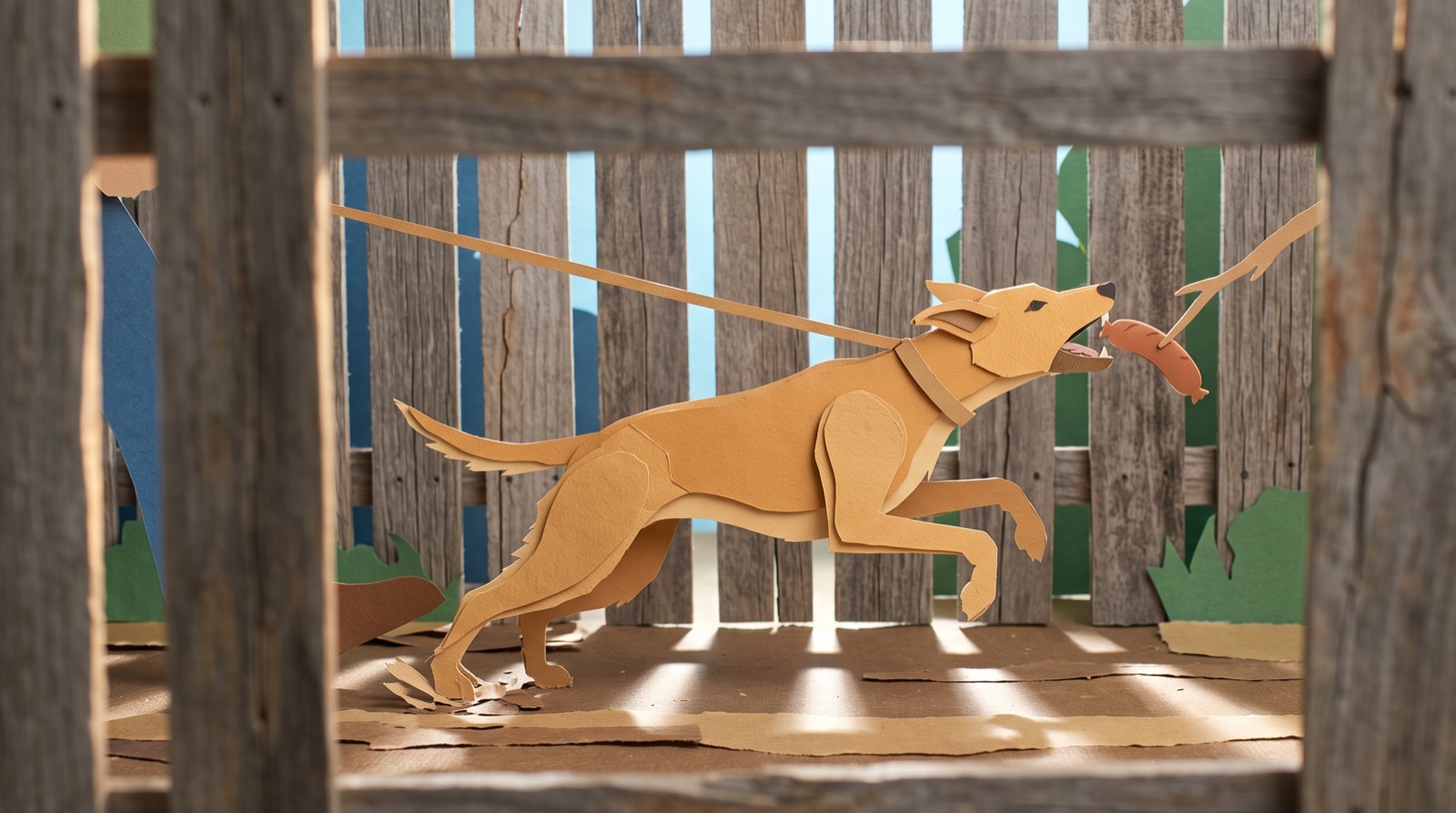
The Reward Pathway — The reward pathway — dopamine travels from the VTA to the nucleus accumbens and prefrontal cortex.
In practice
The separation between wanting and liking is most visible when the dopamine pathway drives sustained approach despite diminishing returns.
Worked example
A competitive athlete establishes a morning training routine tied to external performance metrics. In the early months, each session correlates with measurable improvement, generating consistent prediction-error signals. As adaptation plateaus and gains slow, the motivational pull to complete the routine persists at the same intensity. The session still compels; the results no longer justify the same felt urgency.
The motivational pull that drove habit formation persists independently of whether each instance delivers the same satisfaction it once did, which is how the pathway embeds durable routines.
Why it matters
The reward prediction error mechanism defines how habits acquire motivational momentum.1 Each time a behaviour produces a better-than-expected outcome, the VTA-NAc circuit generates a reinforcement signal that incrementally embeds the action sequence. The incentive salience framework adds a defining constraint: the wanting signal driving approach behaviour is neurochemically separate from the liking signal tracking hedonic value.2 A habit can therefore maintain strong motivational pull even as the satisfaction it delivers declines, making both carefully designed habits and persistent maladaptive routines resistant to pure acts of will.
The nucleus accumbens, by integrating dopaminergic and prefrontal glutamatergic input, serves as the circuit's gating mechanism for whether habitual or goal-directed control governs a given action.5 For those designing performance routines, this architecture has a direct implication: the same neural circuit that automates established behaviours is also the structure that must be engaged when deliberate change is required.
Questions of record
What is the dopamine pathway?
The dopamine pathway encompasses several distinct neuronal circuits sharing dopamine as their neurotransmitter. In the context of reward and habits, the term almost always refers to the mesolimbic system: the projection from the ventral tegmental area to the nucleus accumbens that encodes reward signals and reinforces behaviour.1
What is reward prediction error and why does it matter for habit formation?
Reward prediction error is the signal generated by VTA dopamine neurons when an outcome exceeds anticipation. The resulting phasic burst acts as a reinforcement signal: behaviours that preceded a better-than-predicted outcome are strengthened over repeated trials, which is the neural mechanism by which consistent routines consolidate into automatic habits.1
Is dopamine about pleasure or motivation?
The mesolimbic dopamine pathway encodes motivational wanting, the compulsion to pursue a stimulus, rather than hedonic liking, the pleasure experienced upon obtaining it. Berridge and Robinson demonstrated that wanting and liking depend on distinct neurotransmitter systems: dopamine drives the former, and opioid circuitry underlies the latter.2
What is the difference between the dopamine pathway and the nigrostriatal pathway?
The mesolimbic pathway, from the ventral tegmental area to the nucleus accumbens, processes reward and drives habit formation. The nigrostriatal pathway is a separate dopaminergic circuit that primarily governs motor control. Both use dopamine as their neurotransmitter but serve entirely distinct functions, and confusion between them leads to misunderstanding which circuit underlies motivation.
Appears in
- Nucleus accumbensGlossary
- DopamineGlossary