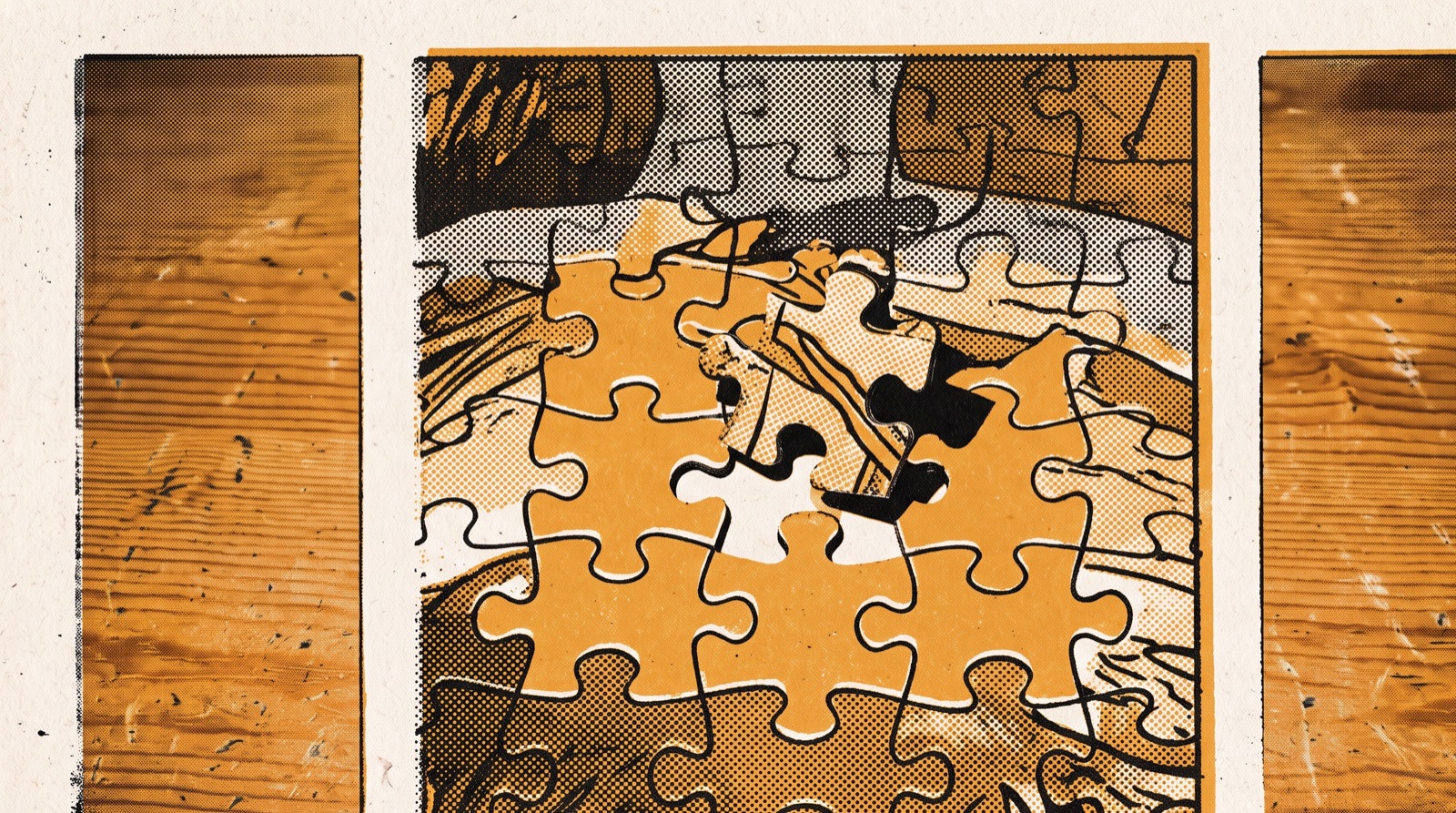
Hindsight Bias n.
Fischhoff labelled the inevitability component 'creeping determinism': the sense that past events were bound to happen crowds out memory of genuine prior uncertainty.
also known as I-knew-it-all-along effect, creeping determinism
The definition
Hindsight Bias is the tendency, after learning an outcome, to believe that one would have predicted it beforehand. The effect operates through three components: memory distortion (misremembering prior predictions as more accurate), perceived inevitability (the sense that the outcome was bound to occur), and perceived foreseeability (the belief that it was knowable in advance).2
The mechanism
Three distinct inputs drive hindsight bias, and understanding each explains why the effect resists simple correction2. Cognitive factors involve the selective recall of outcome-consistent information: once an outcome is known, the mind sifts prior evidence in its favour, making the result feel as though it always pointed that way. Metacognitive factors contribute a subtler distortion; knowing an outcome makes it easier to understand, and that ease of processing is misread as evidence that the result was probable. Motivational factors add a third layer: people prefer a world that is orderly and predictable, and hindsight bias serves that preference.
Fischhoff's original experiments demonstrated that outcome knowledge does not merely shift probability estimates; it also alters the perceived relevance of prior evidence1. Participants who knew the outcome rated earlier clues as more diagnostic than those who viewed the same clues without outcome knowledge, and most were unaware the distortion had occurred. Three cognitive models account for this memory-distortion pathway: SARA (Selective Activation and Reconstructive Anchoring), RAFT (Reconstruction After Feedback with Take the Best), and CMT (Causal Model Theory). Each explains how prior knowledge is reconstructed in light of outcome information, with the reconstruction then mistaken for original foresight2.
The metacognitive dimension extends beyond factual memory. Ackerman et al. showed that once a correct answer is revealed, recalled confidence in the original response shifts toward it, even when prior knowledge was genuinely limited4. The bias therefore operates at the level of self-assessed competence, not merely factual recall.
In practice
A common setting for hindsight bias is post-event analysis: any structured review that examines decisions made under genuine uncertainty.
Worked example
A project team completes a product launch that underperforms. In the post-mortem, several members insist they had serious reservations about the target market from the start. Review of the original planning notes, however, reveals that no such reservations were recorded and the team voted to proceed with broad agreement. The outcome's failure has reconstructed their memories of prior doubt.
Without written foresight records, the team cannot distinguish genuine prior knowledge from memory reshaped by the outcome.
Why it matters
The professional consequences of hindsight bias extend well beyond personal regret. In medical malpractice proceedings, reviewers who know a patient suffered a bad outcome judge the treating clinician's prior decisions as more negligent than identical decisions assessed without outcome knowledge3. In patent evaluation and legal adjudication, the same distortion tilts accountability assessments. An engineer, an analyst, or a committee whose earlier reasoning was reasonable under prevailing uncertainty can appear culpable simply because the outcome turned out badly. The bias, in this respect, punishes good decisions made under genuine uncertainty.
At the individual level, hindsight bias fosters overconfidence: because past outcomes appear obvious in retrospect, decision-makers underestimate how uncertain the future actually is2. This feeds a cycle of poor calibration. A manager who 'knew' a project would fail is likely to believe they will 'know' the next time too, when in reality their predictive record may be no better than chance. The subjective sense of insight outlasts the evidence for it.
Questions of record
What is an everyday example of hindsight bias?
Watching a sporting contest that ends in an upset and then feeling certain you had predicted it. Review of what you actually said before the event typically reveals more genuine uncertainty than memory later suggests. The outcome retrospectively reorganises recalled confidence.1
How does hindsight bias affect professional judgement in medicine and law?
Knowing that a patient suffered a serious adverse outcome causes case reviewers to rate the treating clinician's prior decisions as more negligent than the same decisions appear when reviewed without outcome knowledge. The same distortion operates in legal adjudication and patent disputes.3
Why does hindsight bias lead to overconfidence?
Because past outcomes feel obvious in retrospect, decision-makers systematically underestimate how uncertain the future is2. The subjective sense that one 'already knew' does not correlate with actual predictive accuracy, meaning forecasters who feel confident are often no more reliable than those who felt uncertain beforehand.
What strategies reduce hindsight bias?
The most consistently supported approach is to consider alternative causal explanations for an outcome; generating competing accounts disrupts the sensemaking process that makes outcomes feel inevitable2. Keeping prospective records of predictions and confidence levels provides concrete evidence to counteract memory distortion when outcomes are later reviewed4.